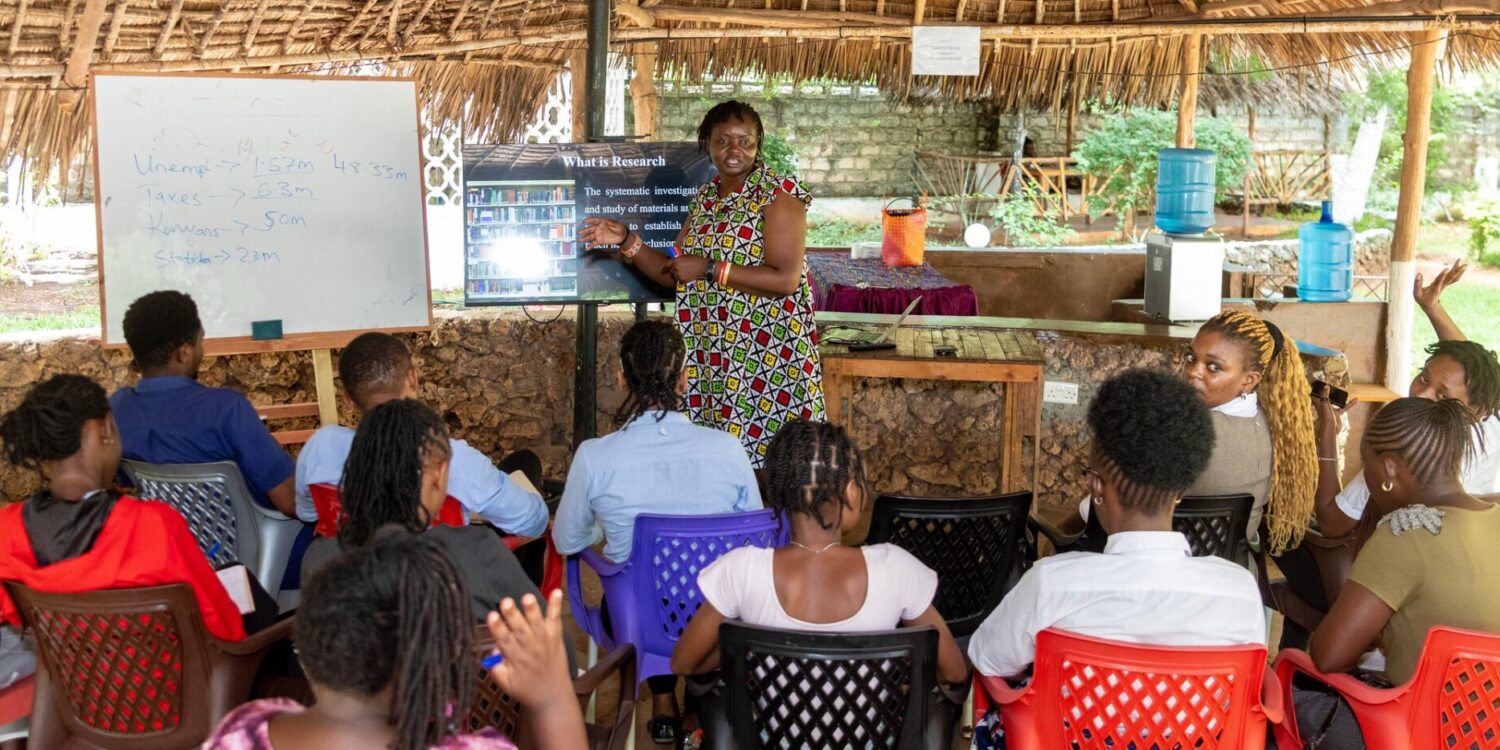
In Kiswahili, maono means vision. It is also the name of one of the projects closest to our heart at the Open Institute; a programme built around a simple belief: that community-based organisations are not at the bottom of the development pyramid, but the closest point in the system to the citizens it serves.
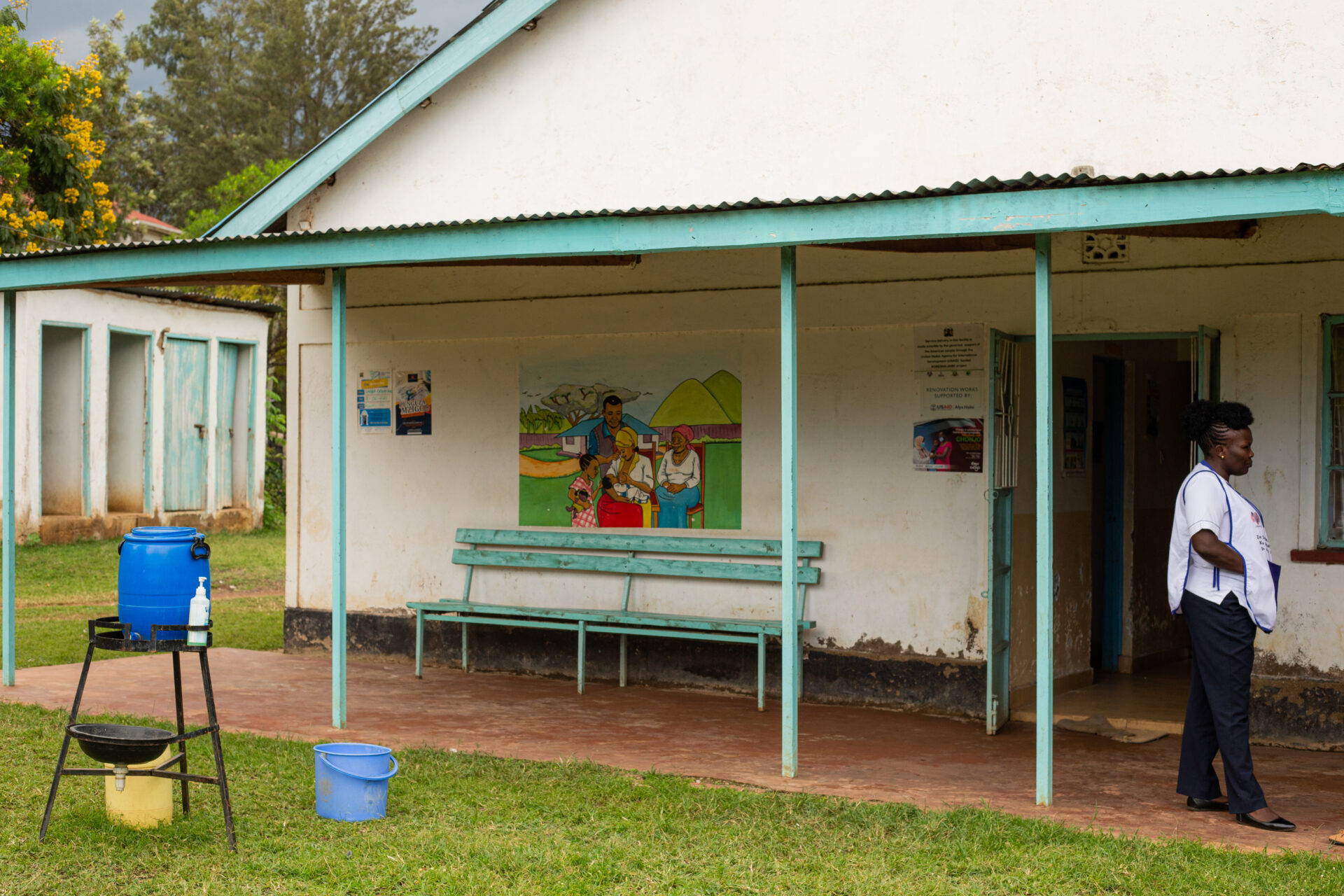
Across Kenya, in every county, CBOs are doing quiet, unglamorous, essential work. They run youth programmes from rented one-room offices. They convene women’s savings groups under mango trees, in church halls, in market sheds. They are the first to know when a borehole has broken, when a school feeding programme has stalled, when a young person has fallen through the cracks. They are trusted in ways that no donor, government agency, or Nairobi-based intermediary can replicate. And yet, in the architecture of development funding, they are routinely treated as the smallest, least sophisticated link in the chain, with sub-grantors and implementers ticking boxes on a coverage map. The money that does reach them often arrives late, in small amounts, with stringent reporting requirements designed for institutions ten times their size (financially, in terms of technical expertise, and in terms of manpower). Maono exists to challenge that architecture.
Our Approach
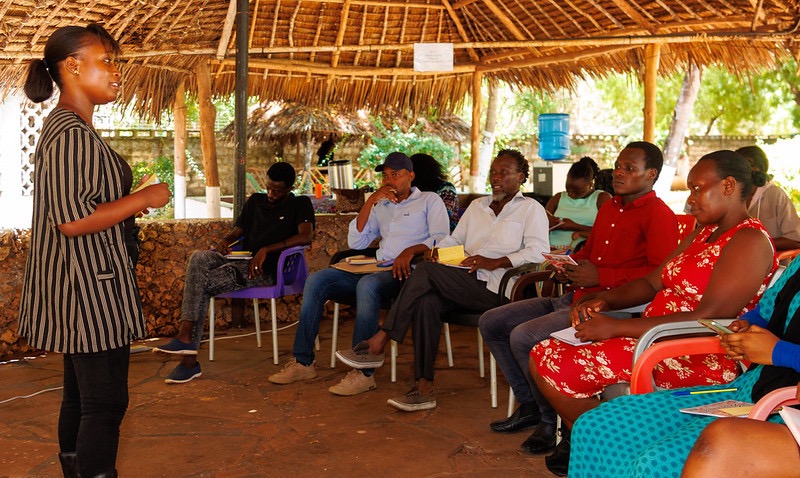
Through Maono, we work directly with CBOs to strengthen them as institutions in their own right, not as branches of a larger organisation, not as project implementers, but as community-rooted bodies with their own visions, governance structures and relationships with the people they serve. In practice, this means three things.
First, organisational foundations. We work alongside CBOs on the basics that funders rarely pay for but always require: establishing governance structures (systems, policies, processes) and the ability to tell their own story. Not the glossy version. The honest one.
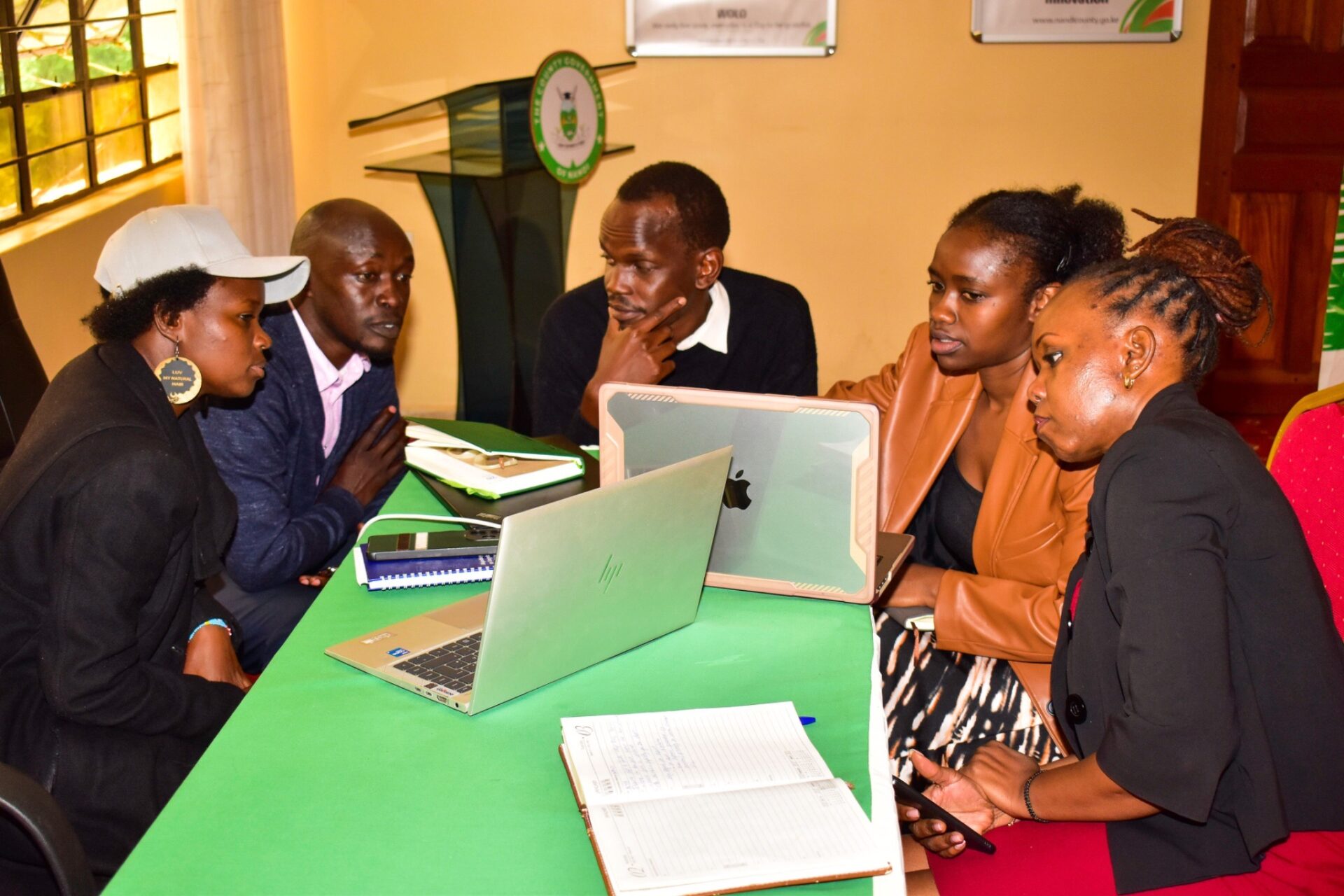
Second, voice in the bigger conversation. Funding decisions that shape communities are too often made without the CBOs closest to those communities in the room. Maono creates space for those organisations to engage donors, county government, and national civil society as peers rather than as recipients.
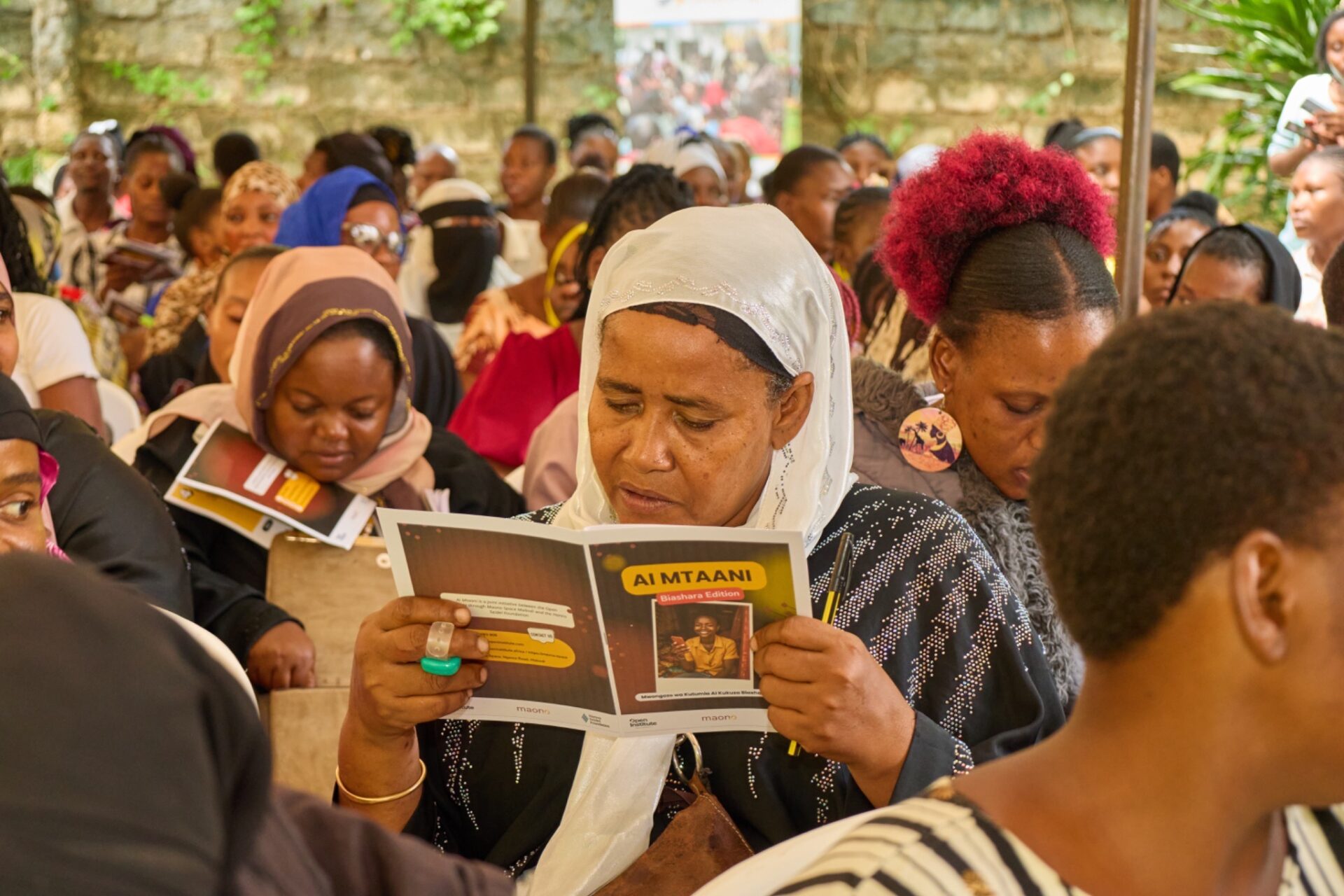
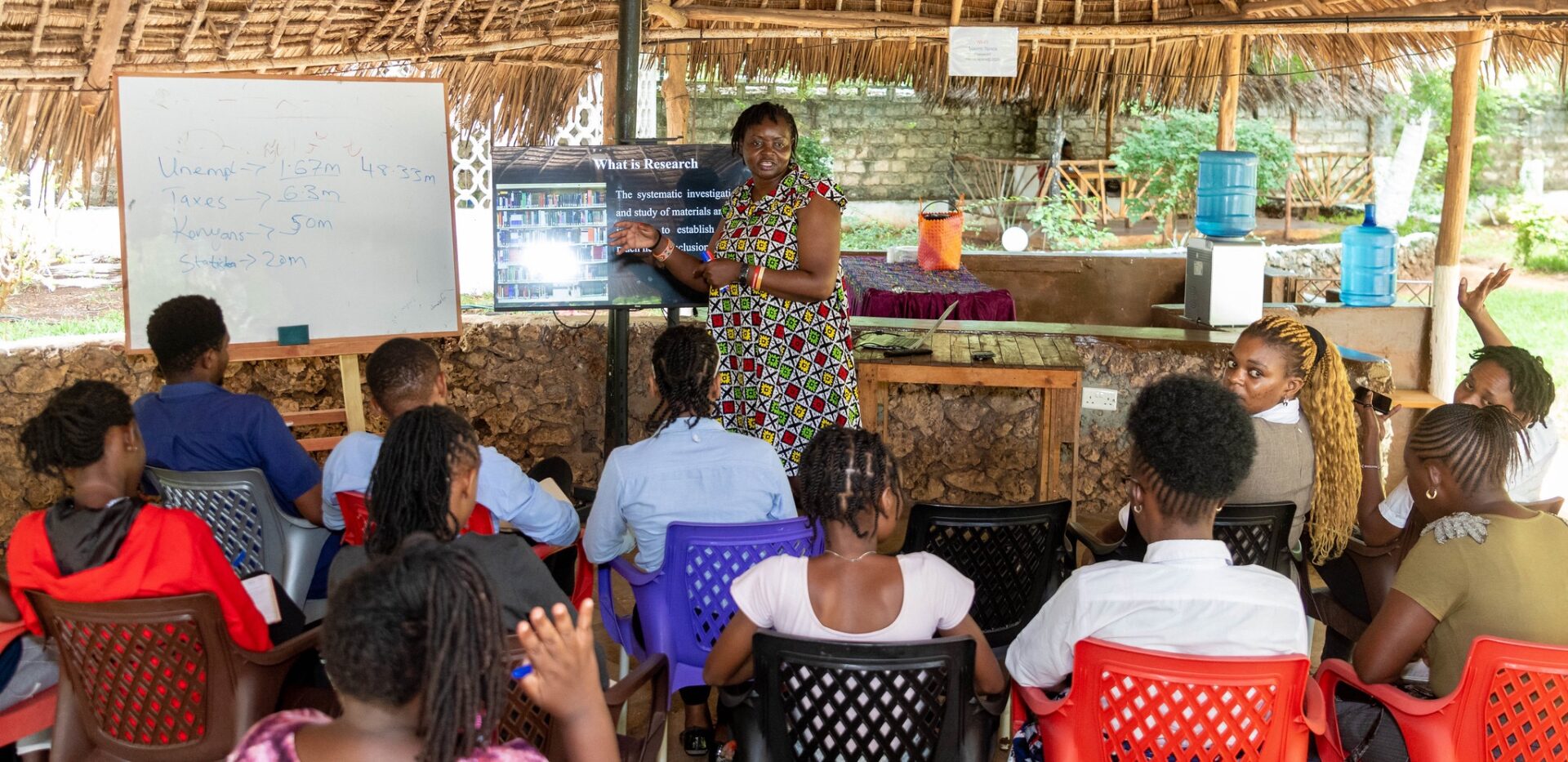
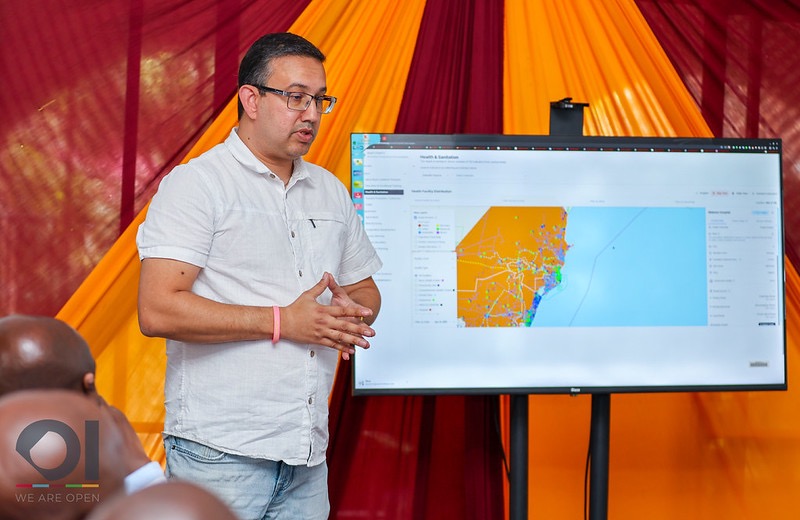
Third, access to tools, data, and networks that have historically sat with the bigger players. Open data is meant to level the playing field — but only if the people closest to the problems can actually use it. We work with CBOs on the practical skills to read budgets, interrogate public information, and use evidence in their own advocacy.
“CBOs do not need to be rescued. They need to be resourced.”
Starting in Malindi, with our eyes on the country
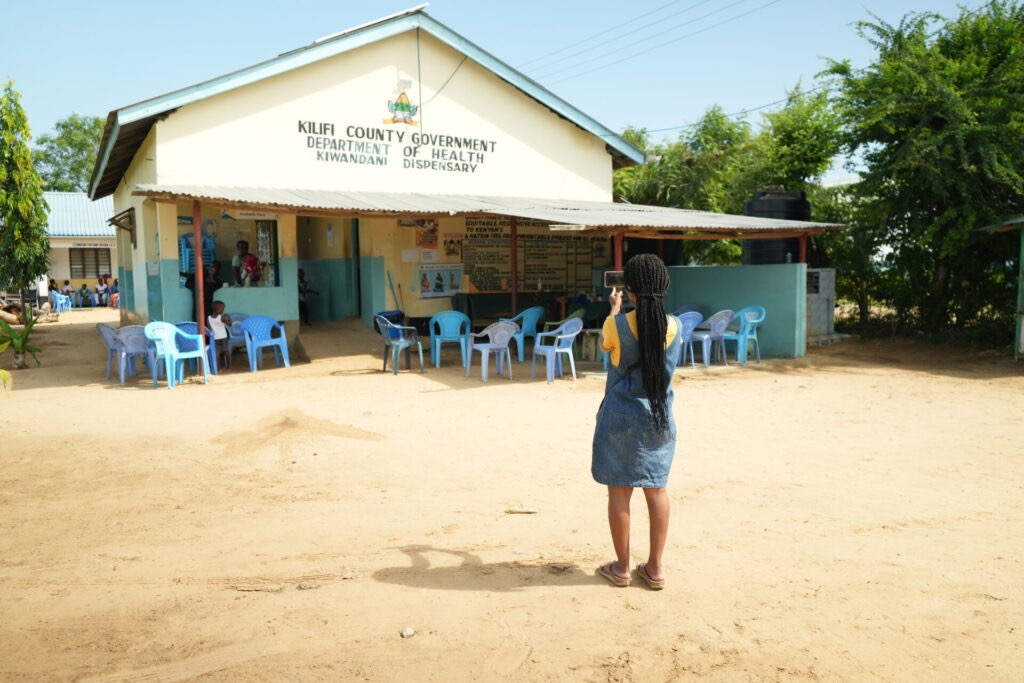
Currently, Maono is rooted in Malindi, where we are testing the model, building the relationships, and learning what it really takes to ‘build’ CBOs well, rather than quickly. But the vision was never coastal alone; the Vision is nationwide and beyond.
The same dynamics that characterise coastal civil society — under-resourced CBOs, decisions made far from the ground, citizens spoken about more often than spoken with — play out in every part of the country. From the arid north to the western lakeside counties, from informal settlements in our largest cities to remote rural wards, the closest point in the system to the citizen is almost always a CBO. And almost everywhere, the CBO is doing more with less than the sector cares to admit.
We intend to roll Maono out nationally — county by county, partnership by partnership, at a pace that lets us deepen the work rather than dilute it. The destination is Kenya, where the strength of a CBO does not depend on the postcode it operates in or the proximity of an INGO office, and where the voices closest to the citizen carry the weight they deserve in every funding conversation.
Our Lessons so far
A few things are becoming clear, even at this stage.
CBOs do not need to be rescued. They need to be resourced. When the funding model trusts them with real flexibility and real time, what comes back is not waste — it is relevance, the kind that no intermediary, however well-intentioned, can manufacture from a distance.
Trust is the slowest part of the work, and the most important. Building relationships that do not collapse the first time a deliverable slips, or the first time a community disagrees with us, takes patience that the sector rarely budgets for.
And the citizens, finally, are closer than we think. When you work with organisations actually rooted in a place, the distance between “stakeholder consultation” and a real conversation with real people shrinks to almost nothing.
A national vision
We do not think of Maono as a flagship project. We think of it as a test of an idea, one we believe belongs everywhere in Kenya: that the future of development funding belongs to the organisations closest to the ground, and that the role of institutions like ours is to back them, not to stand in front of them.
If you are a CBO anywhere in the country, a funder thinking differently about how resources should move, or a partner who shares this vision, we would like to hear from you.
Maono means vision: it is also what becomes possible when we stop looking past the people who can already see.