Across Africa, researchers are producing credible, rigorous, and often urgent findings. Governments are making decisions without them. This is not a research problem. It is a power problem, a communication problem, and an honest reckoning with who the evidence is actually made for.
There is a version of this conversation that is easy and safe to have. It goes: research in Africa is underfunded, policymakers are busy, and if only we had better briefs and prettier dashboards, evidence would finally shape decisions. Solve the format problem, solve the gap.
But that version is a distraction. The real problem is older and harder. It is about who research is written for, who gets to say what counts as evidence, and whose knowledge is treated as data versus noise.
Researchers write for each other
Academic research is structured around peer review, citation counts, and publication in international journals. The incentive is recognition from fellow researchers and, increasingly, from donors who want rigour in the studies they fund. Both are legitimate goals. Neither has much to do with influencing a county health director’s budget allocation next quarter.
On the part of researchers, this is rational behaviour in a system that rewards a very specific kind of output. The problem is that this system sits in tension with the ambition of evidence-based policy — and in Kenya and much of the continent, the gap between research and policy is rarely named directly.
“If communication is not built into a research project from day one, it will not happen.
What does it take for a finding to move from a journal to a cabinet meeting?
- It requires translators — people who understand both the research and the political context deeply enough to reframe one in the language of the other.
- It requires timing — evidence dropped into a policy window that has already closed is wasted.
- And it requires relationships — the trust that makes a policymaker pick up the phone when a researcher has something to say.
Policymakers are not the problem. The process is.
There is a tendency in these conversations to frame policymakers as the obstacle — too busy, too political, too uninterested in complex findings. This misdiagnoses the situation. Policymakers operate in environments of constant pressure, multiple competing demands, and information overload. The question is not how to make them more interested in evidence, but how to put the right evidence in front of them, in usable form, at the moment it is useful.
That is a logistics and relationship problem, that requires sustained engagement. It requires researchers who understand that a two-page synthesis delivered in a pre-budget planning meeting is worth more than a fifty-page report delivered three months after the decision was made.
From Practice
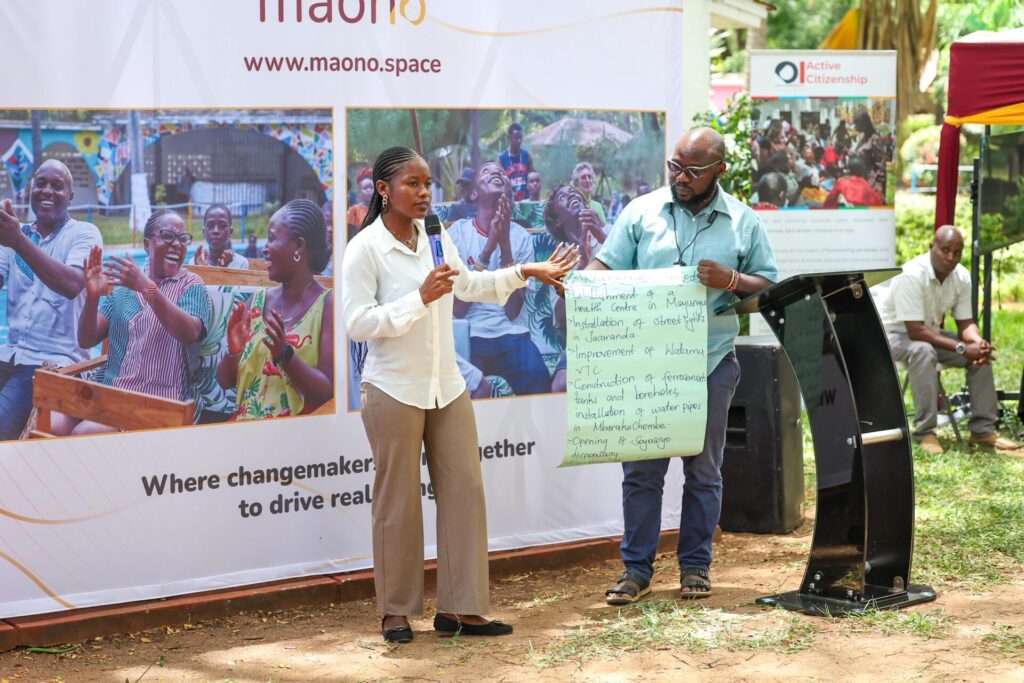
In our work with Kenyan counties, the pattern is consistent: when county leadership genuinely values evidence-based decision-making, the conditions shift entirely. Data collection becomes easier. Departments engage. The case for open government practically makes itself. The variable is not the quality of the evidence. It is the political will at the top.
Citizens care about data. We just never ask them.
Perhaps the most persistent and damaging assumption in this space is that ordinary people do not care about evidence — that communities want services, not statistics, and that participatory processes are symbolic gestures rather than substantive inputs.
This is empirically wrong, and it matters that we say so clearly.
People know what their communities are suffering from. They can articulate gaps in services with more precision and contextual nuance than any survey instrument. What they often lack is not knowledge, but a formal channel through which that knowledge is received, verified, and acted upon.
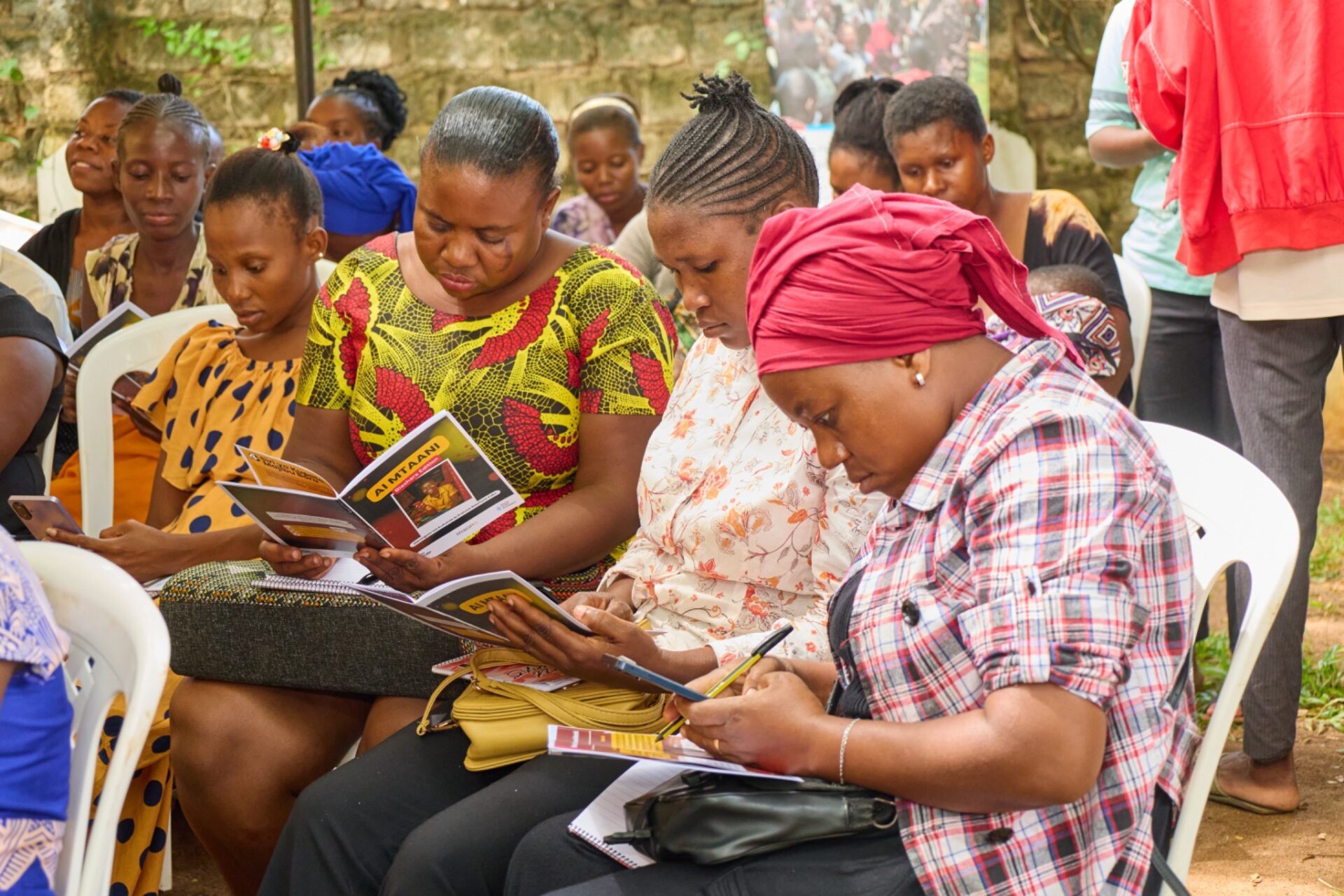
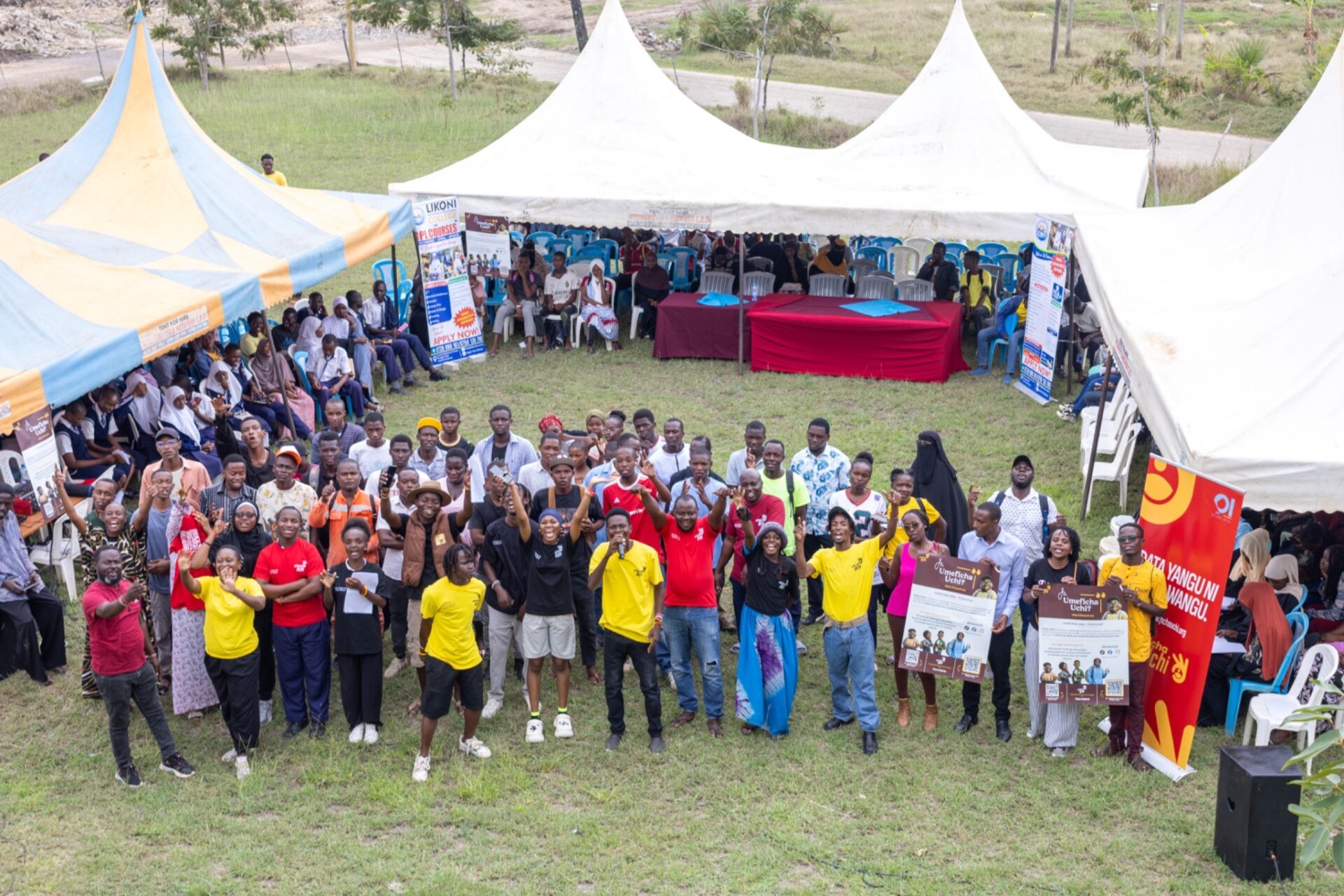
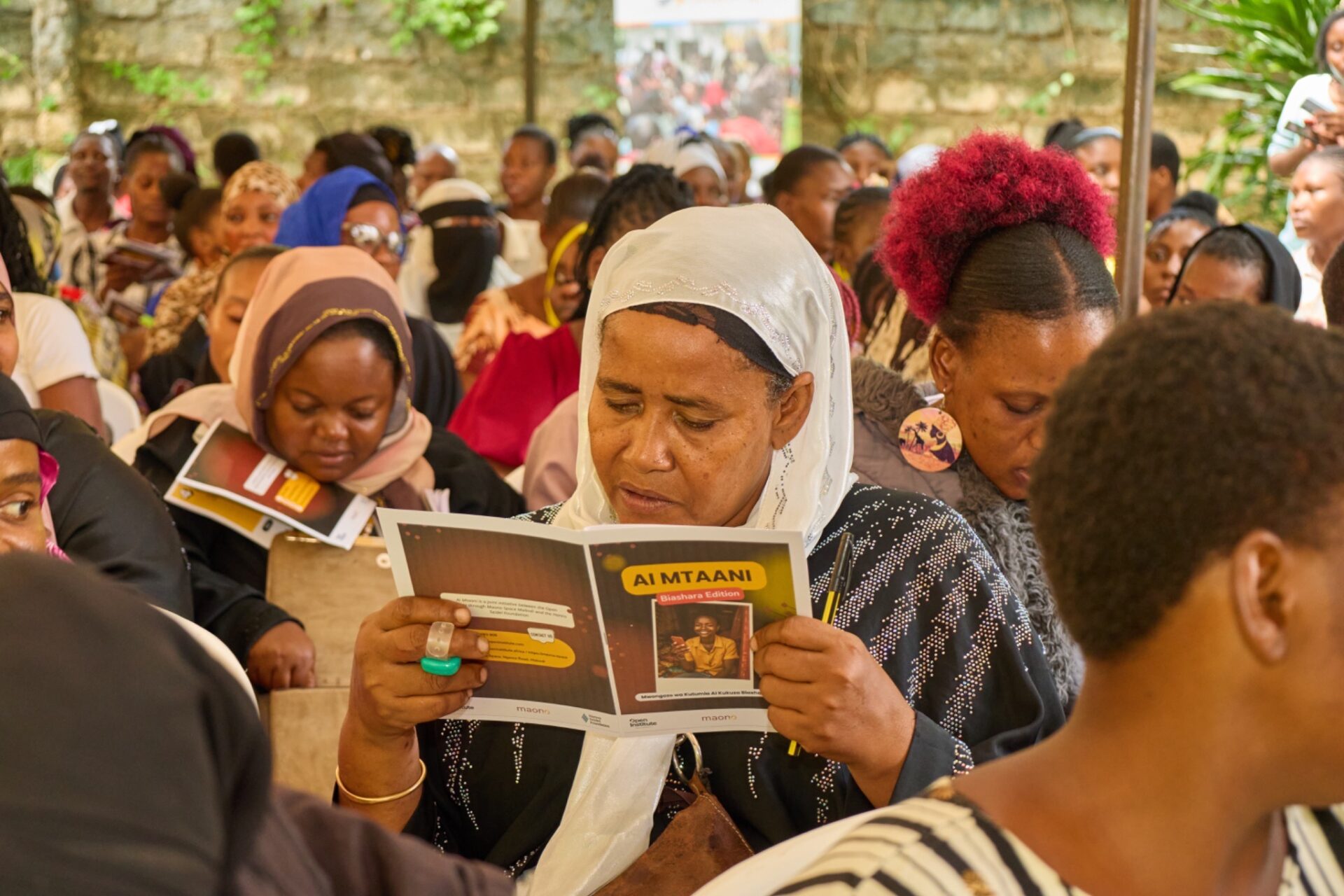
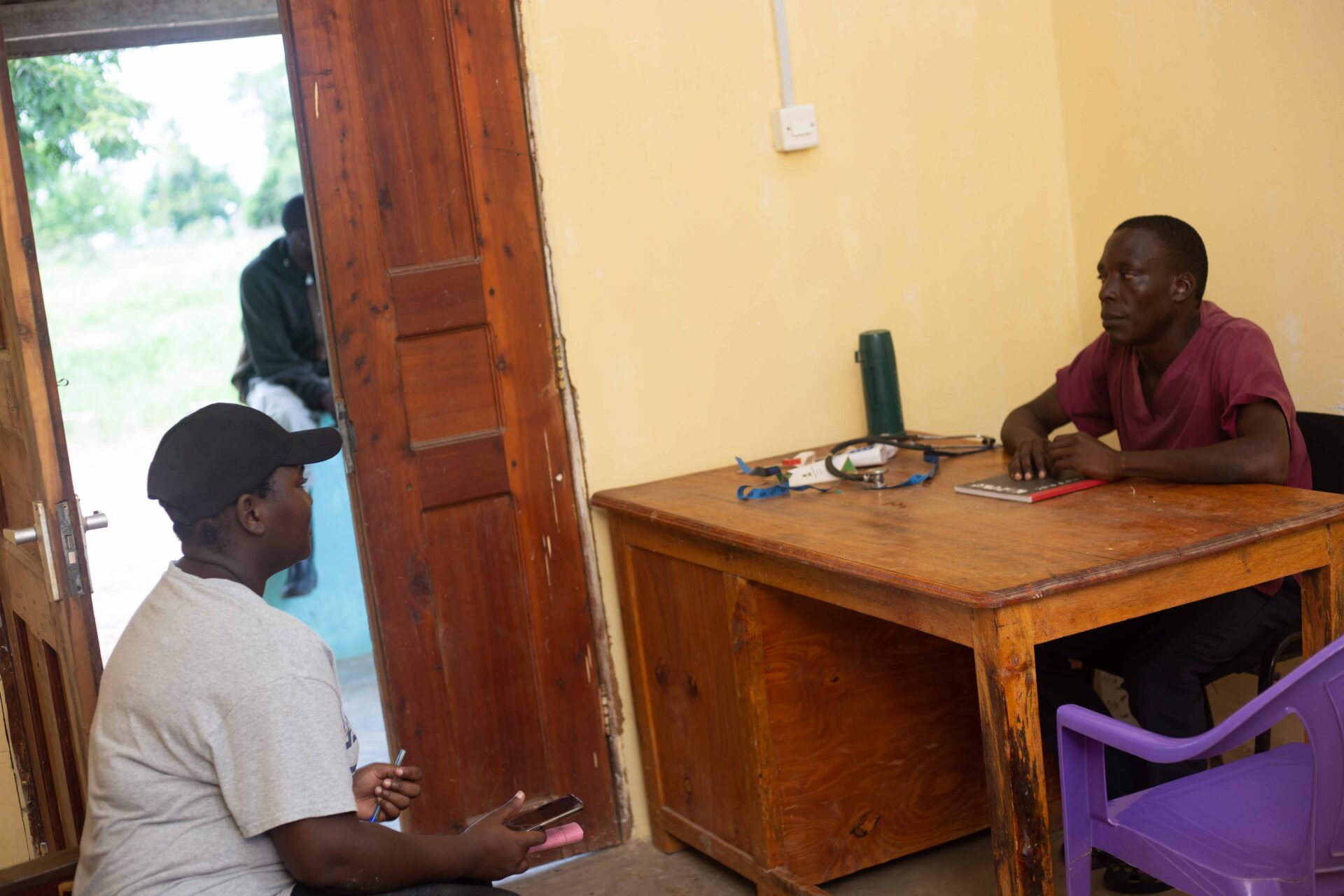
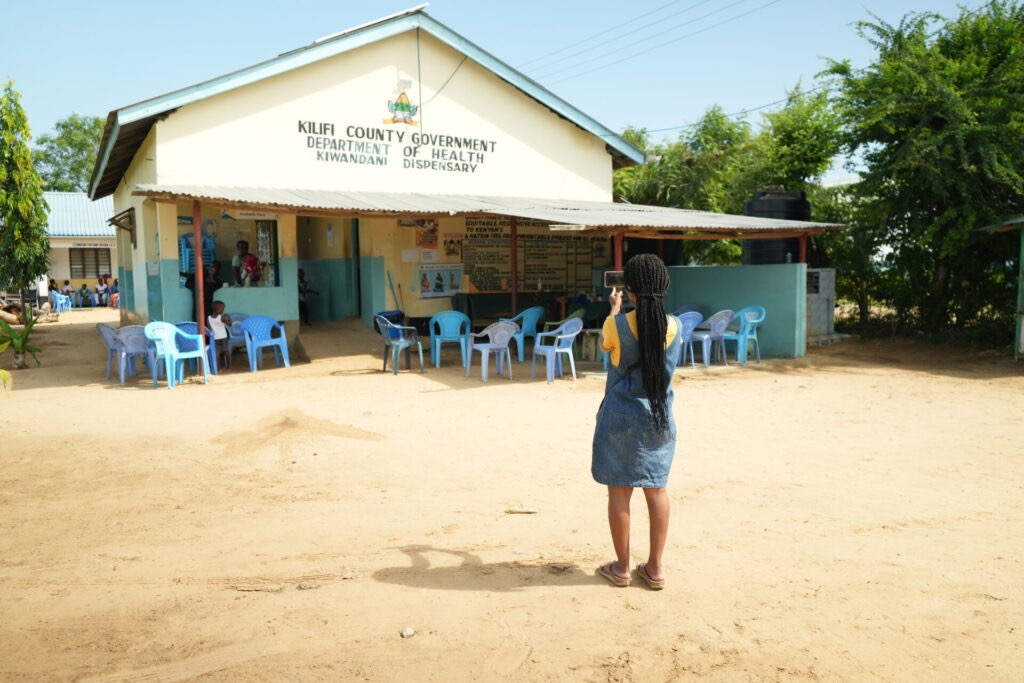
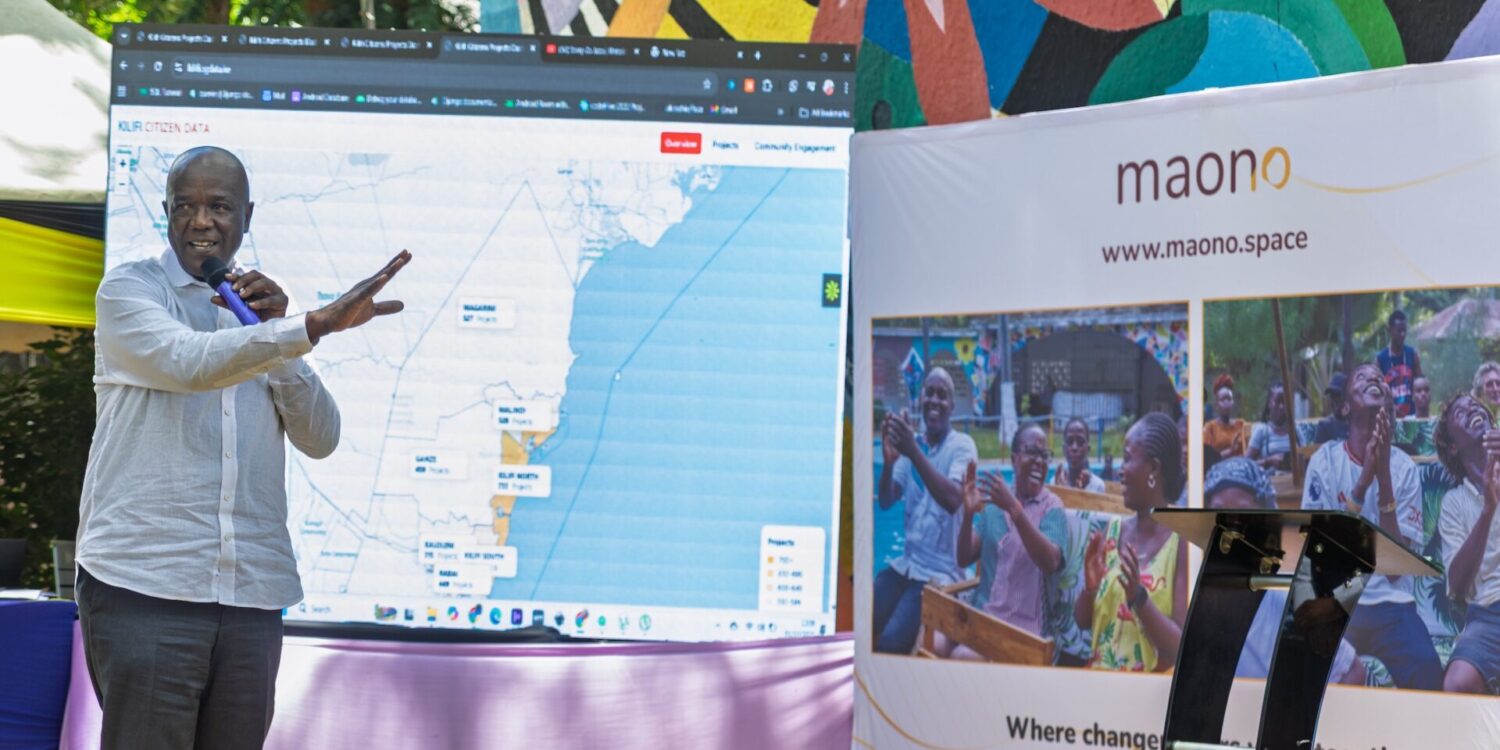
When communities in Kilifi were shown data about service delivery gaps and asked what they wanted to prioritise rather than told what had been decided for them, they engaged. They had opinions. They demanded more. The data did not overwhelm them; it gave them language and leverage. That work is documented, and it is replicable.
Participation is not a box to tick at the end of a research process. It is what makes evidence legitimate, and what makes communities invested in its use.
The model of top-down evidence delivery, where research moves from expert to policymaker to citizen, reinforces the idea that knowledge flows one way, and that communities are beneficiaries of decisions rather than participants in making them.
What actually changes things
None of this is without remedy.
Kenya has national research bodies. It has county research budgets. It has institutions producing work of real quality. Capacity already exists; the gap is investment in the connective tissue — the communicators, translators, relationship-builders, and participatory processes — that turns research into decisions.
The conditions for evidence use are not mysterious. They are just underfunded and undervalued. Some solutions to this problem could be:
- Political will at the leadership level that creates the environment where evidence is sought rather than avoided.
- Communication built into research from the design phase, not added at the end. Genuine community participation that makes evidence locally legitimate.
- Long-term relationships between researchers and the institutions they aim to inform being built and sustained.
- Honest investment in the organisations that do the translation work between research and decision-making.
The evidence gap in African policymaking is real. It is also solvable, by treating knowledge, from researchers, from communities, from practitioners, as something worth the political and financial investment required to put it to use.
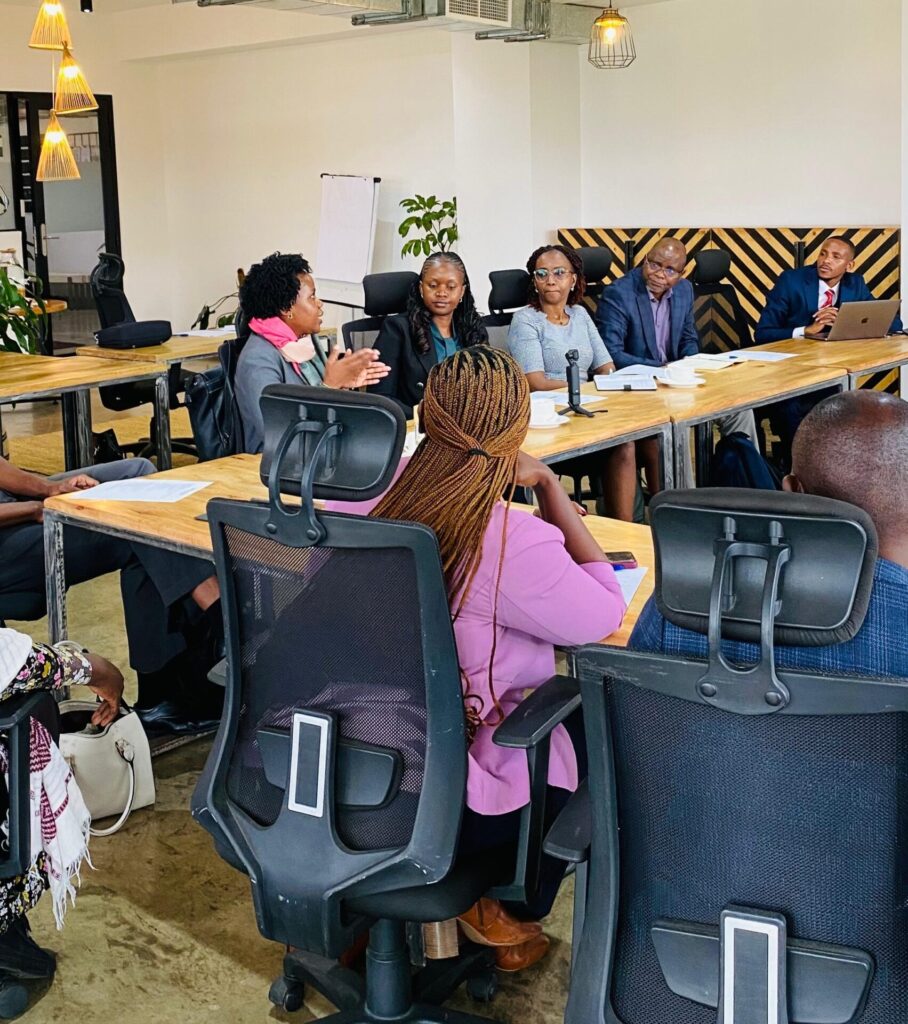
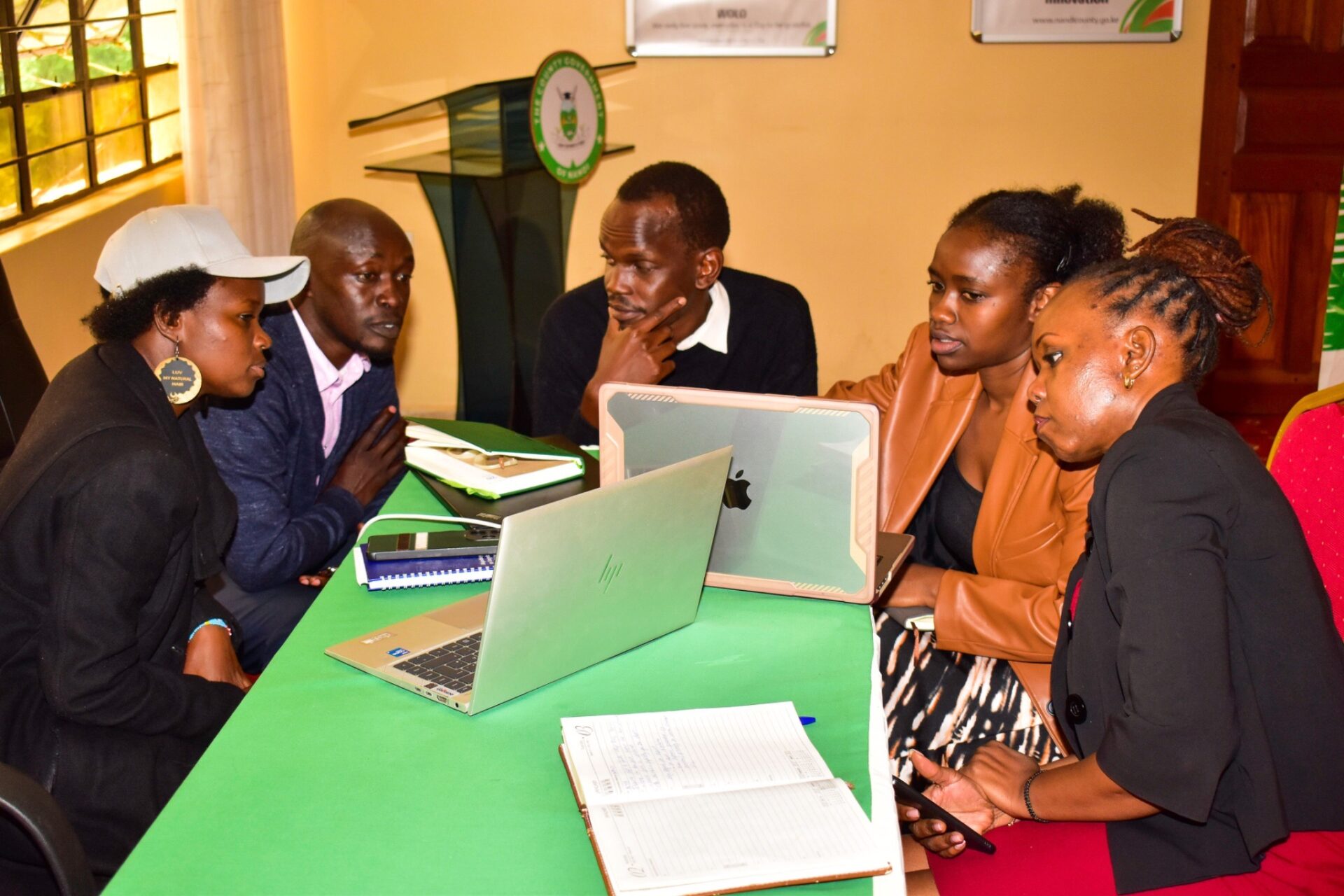
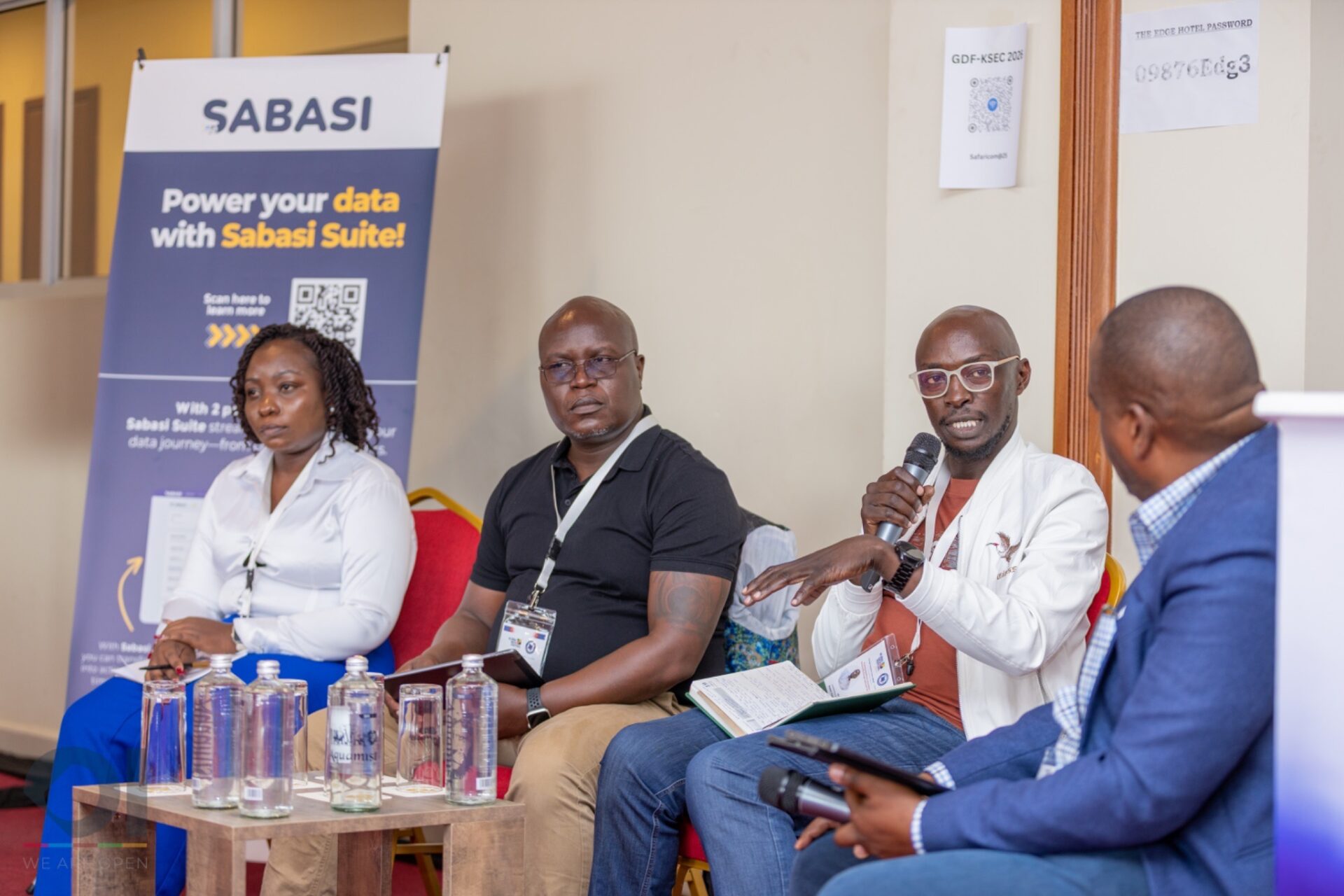
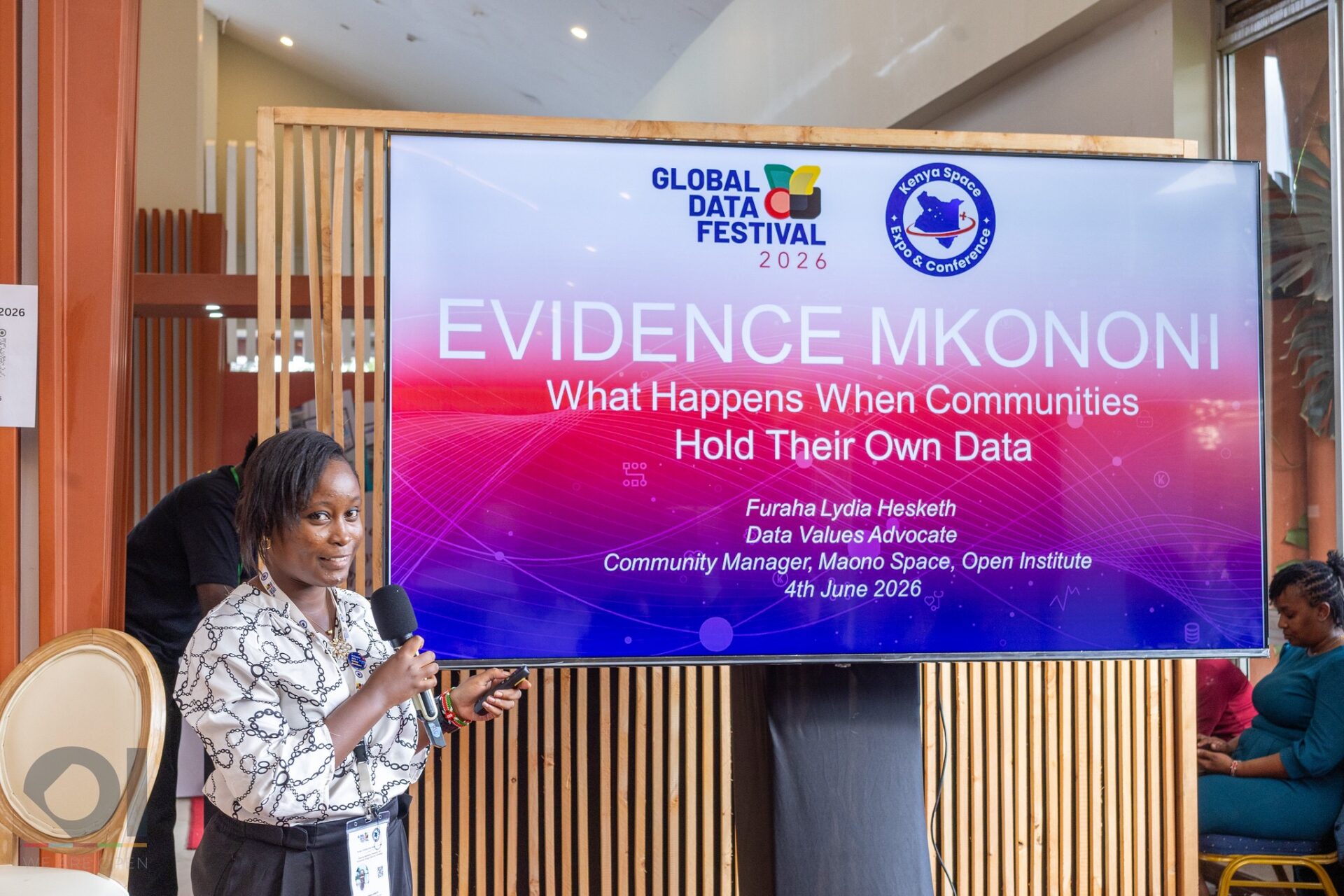
What gives cause for some optimism is that the right conversations are beginning to happen — not in papers, but in rooms. Conveners like Helix and Hive are doing the unglamorous, essential work of bringing researchers, policymakers, technologists, and practitioners together to sit with these tensions honestly. Their initiative, Theory to Impact brings together leaders across science, policy, and society to translate ideas into dialogue, influence, and action. Sessions like this one are part of how that translation starts.
These gatherings will not solve the structural problem alone, but they are where the shared language that makes structural change possible gets built.
FURTHER READING