Across East Africa, governments have made significant investments in public participation processes. Constitutional provisions, county forums, digital platforms, and citizen consultations have become increasingly common. Yet despite these efforts, participation often remains procedural rather than meaningful.
Citizens are invited to meetings, budgets are published online, and draft laws are shared for comment. But an important question remains: can citizens meaningfully participate if they do not understand the information placed before them?
Good governance is not achieved simply by making information available but when information is accessible, understandable, and actionable.
The Gap Between Access and Understanding
Access to information is a cornerstone of democracy. It enables transparency, accountability, and citizen oversight. However, access alone does not automatically translate into an informed public.
This challenge is evident across the region. In Kenya, for example, public participation is a constitutional requirement, and citizens are frequently invited to provide views on legislation such as the Finance Bill. The challenge is on how government information is presented. Budgets, expenditure reports, and policy documents are often published in highly technical formats that are difficult for ordinary citizens to interpret. A 500-page budget document may technically be “accessible,” but if citizens cannot understand it, meaningful participation remains out of reach.
This distinction is critical: access to information does not necessarily mean the public is informed.
From Open Data to Open Understanding
Good governance requires moving beyond open data toward open understanding.
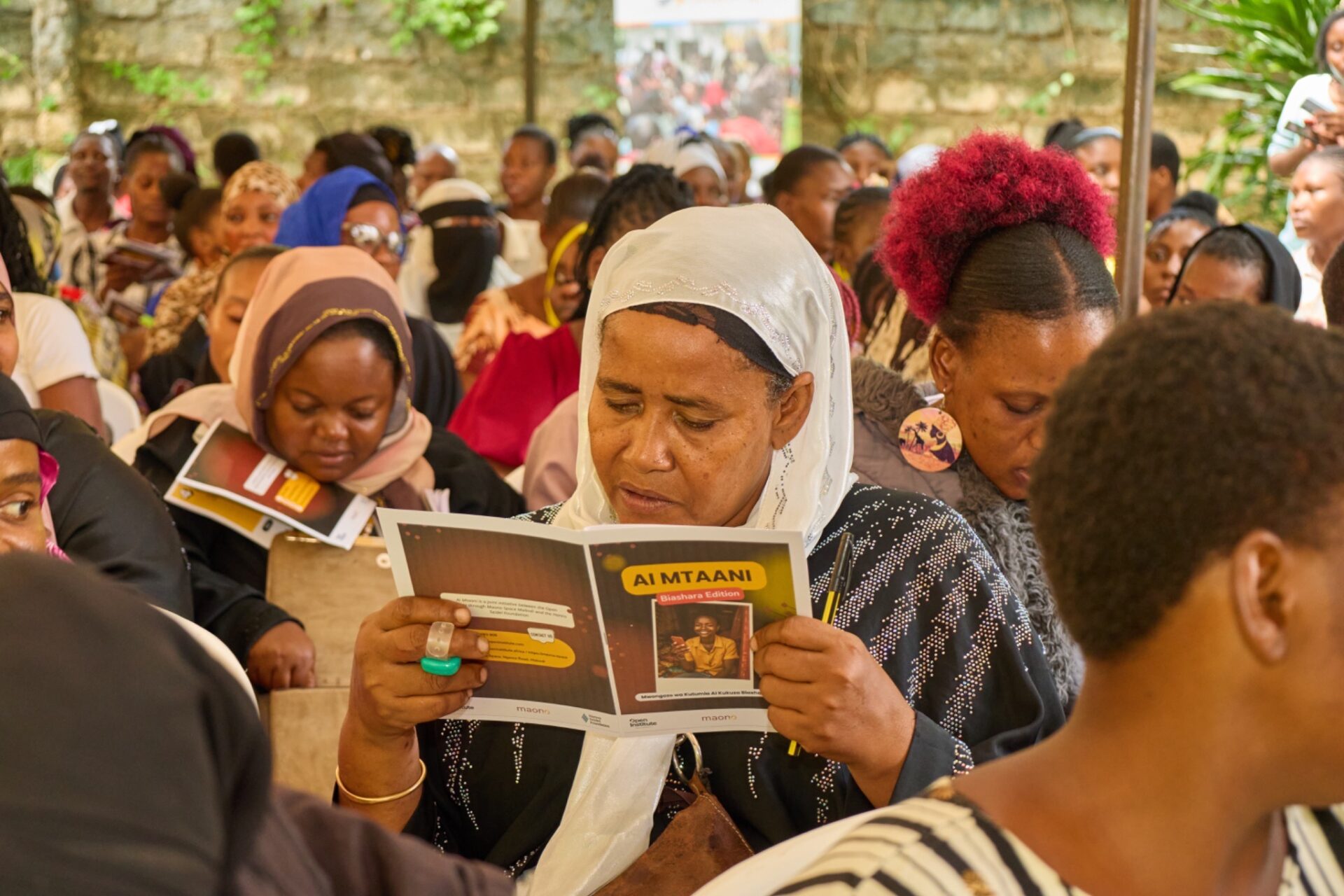
Governments have a responsibility not only to publish information but also to communicate it in ways that citizens can understand and use. This means translating complex datasets into simple visualizations, summaries, local languages, and relatable narratives that connect public spending to people’s everyday lives.
The media plays a crucial role in bridging this gap.
In Tanzania, Joy Media has demonstrated the power of data journalism to make public budgets and resource allocation understandable to citizens. By transforming technical information into accessible stories, they have sparked conversations on priorities that matter most to communities.

Participation Requires Data Literacy
The challenge of meaningful participation extends beyond attendance.
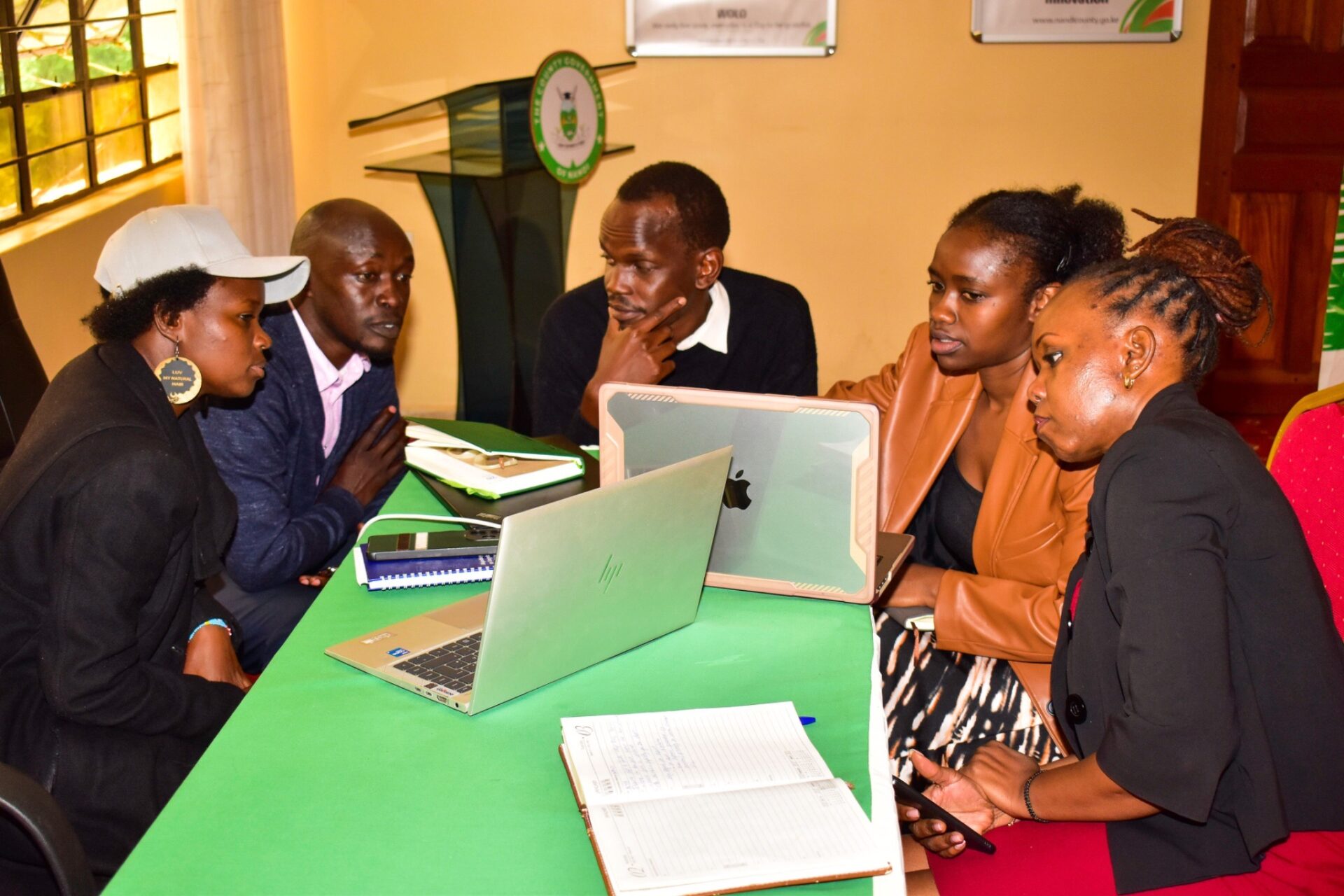
In Nandi County, residents are increasingly engaging with government datasets, including Auditor General reports and county budgets, to promote transparency and accountability.
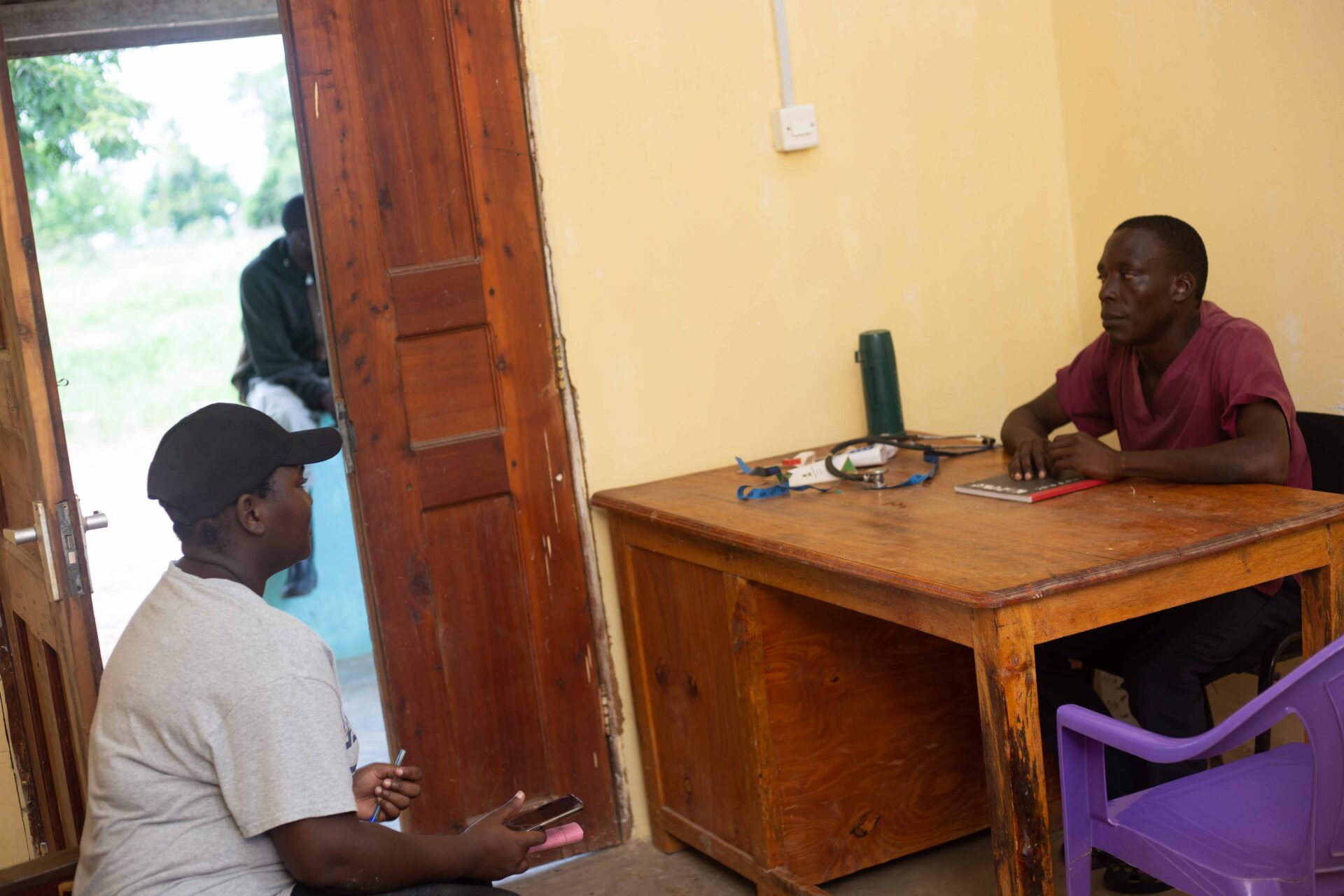
Beyond analysing official data, they are also collecting community-generated data through surveys on platforms such as Sabasi and implementing community scorecards. These efforts help monitor public projects and ensure that resources allocated to development initiatives are utilized effectively and transparently. Importantly, local residents, particularly young people, are directly involved in collecting this information.
This approach transforms citizens from passive recipients of information into active producers of evidence.
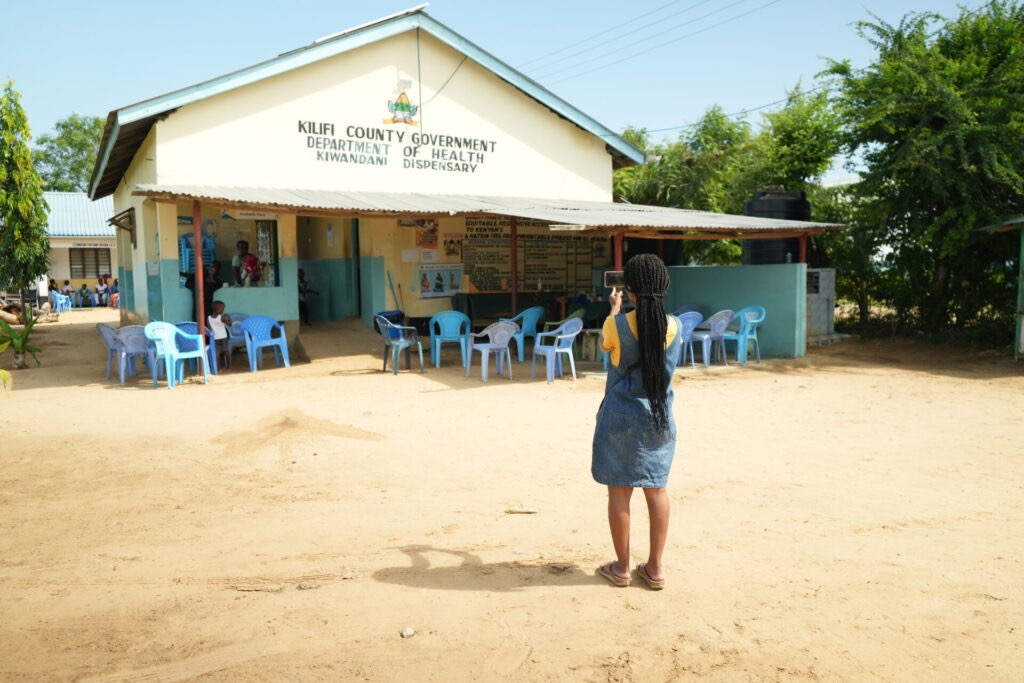
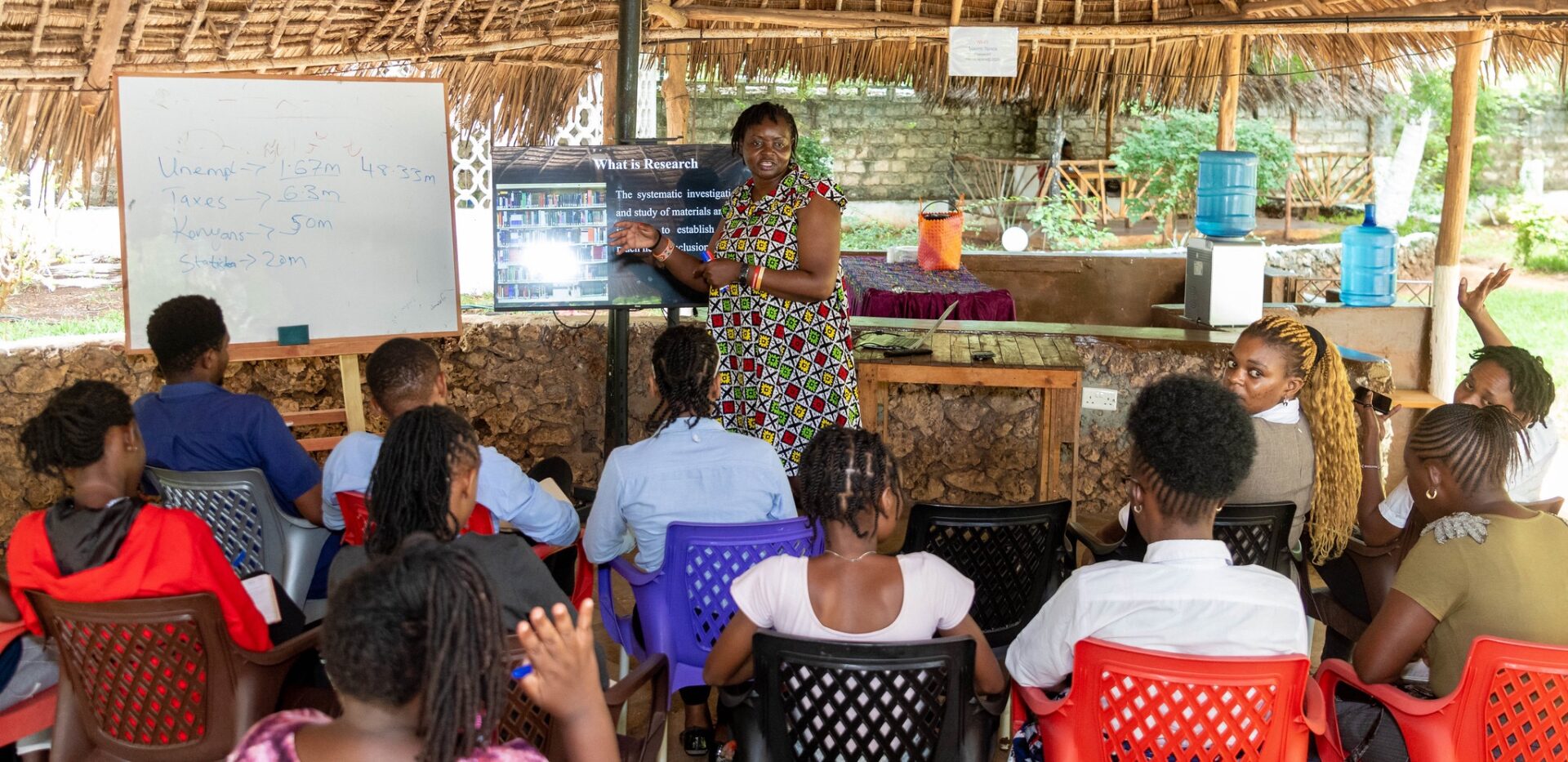
However, the situation is not uniform across all counties. In Kilifi County, it was observed that while many young people attend public participation forums, they often struggle to contribute meaningfully because they do not fully understand how budgets and resource allocation affect their daily lives.
This highlights a critical reality: effective public participation requires more than attendance. It demands data literacy, accessible information, and sustained civic engagement.
Citizens cannot meaningfully influence decisions if they do not understand the evidence and information that shape those decisions. For public participation to drive good governance, government information must not only be accessible but also presented in ways that citizens can easily understand and use.
Community Data as a Pillar of Good Governance
Good governance thrives when government data and community-generated data complement one another.
Community scorecards, citizen surveys, and participatory research capture lived experiences that official statistics may overlook. When integrated with government data, they create a fuller picture of societal needs and policy outcomes.
The experience of Homa Bay County offers a compelling example. Collaboration between government and civil society revealed through community scorecards that a county seed distribution programme was not delivering expected results in some areas. This evidence enabled corrective action and more targeted interventions.
Similarly, county statistical analysis challenged long-held assumptions. Data showed that malaria interventions were not always focused on areas with the highest prevalence rates, while teenage pregnancy trends differed significantly from commonly held beliefs.
Evidence has the power to challenge assumptions, and better evidence leads to better decisions.
Collaboration Is the Foundation of Trust
No single actor can solve development challenges alone.
County governments, civil society organisations, community-based organisations, media, and citizens each bring unique perspectives and expertise to governance processes.
Civil society organisations often amplify community concerns and generate evidence on issues that may otherwise go unnoticed. Investments in areas such as women’s health, for instance, have frequently gained momentum through sustained advocacy backed by data.
At the same time, governments have raised legitimate concerns about conflicting datasets generated by different organisations, which can create confusion and undermine trust. Civil society actors, meanwhile, often struggle to access government data necessary for accountability and independent analysis.
These tensions point to a broader challenge: fragmented evidence weakens collective action.
Trust grows when data is transparent, accessible, interoperable, and collectively validated.
This requires shared data standards, open repositories, coordinated data collection, and stronger feedback mechanisms so communities can see how their contributions influence decisions.

From Public Participation to Public Power
Public participation should not begin and end with attendance at a forum.
Meaningful participation occurs when citizens understand information, contribute evidence, influence decisions, and receive feedback on how their input was used.
Digital platforms are increasingly helping bridge the gap by creating channels for communication and engagement between governments and residents. But technology alone is not enough. Sustainable participation requires investments in civic education, data literacy, and inclusive communication.
Good governance emerges when governments do more than disclose information; they make it understandable.
The Future Is Informed Participation
As East Africa continues to invest in data systems and digital transformation, the challenge is not simply generating more information but ensuring that information remains grounded in people’s lived experiences and is presented in ways that empower citizens to act.
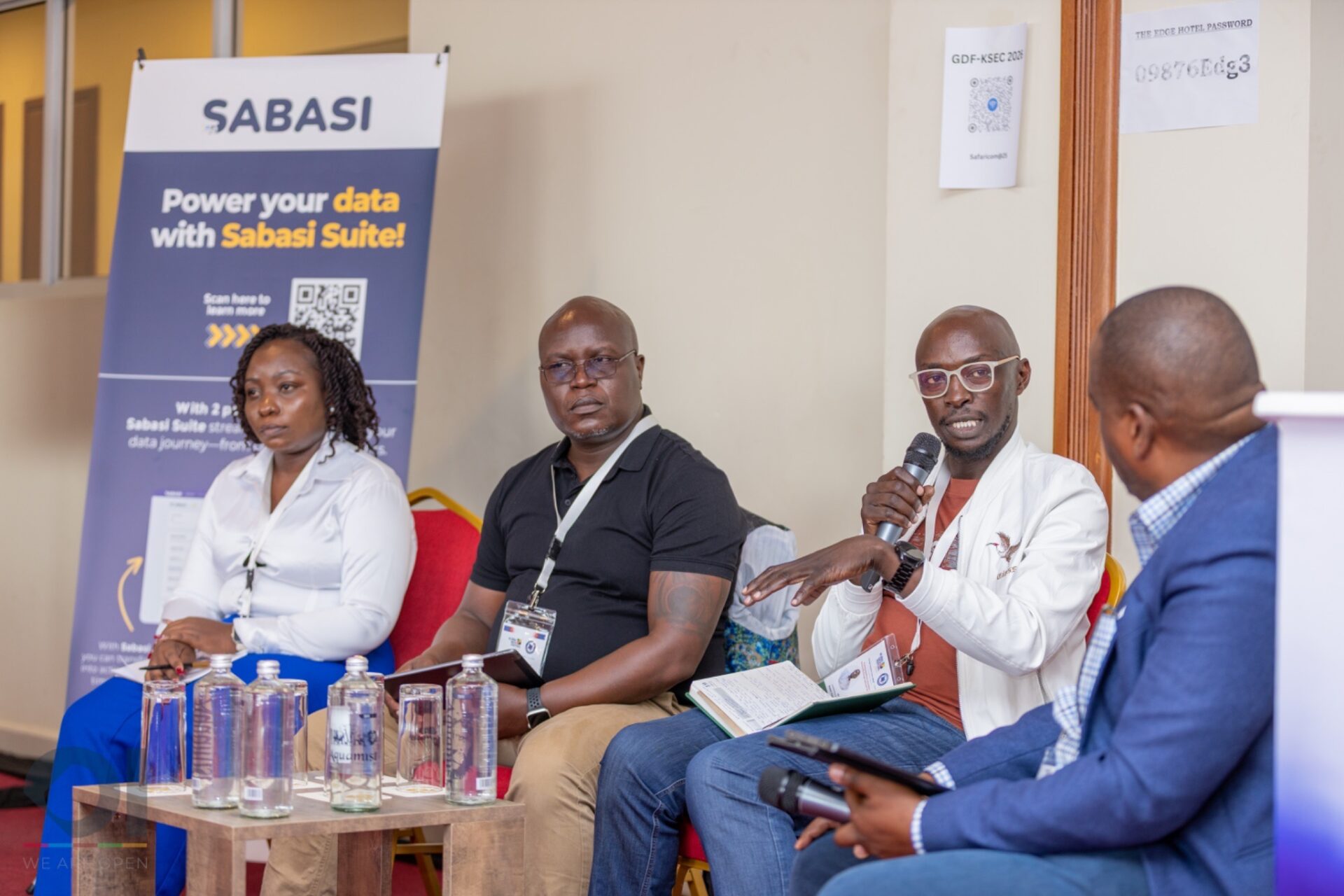
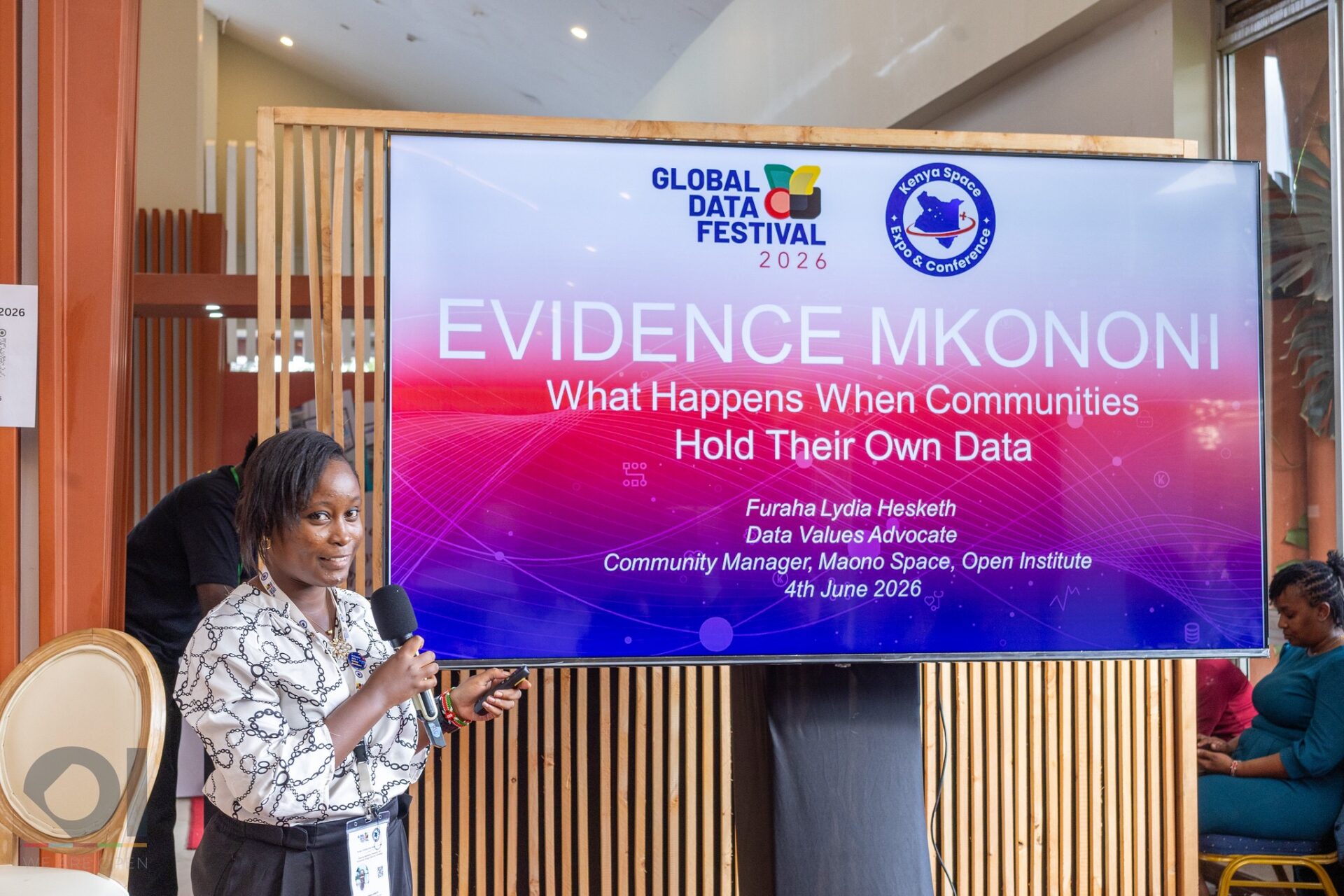
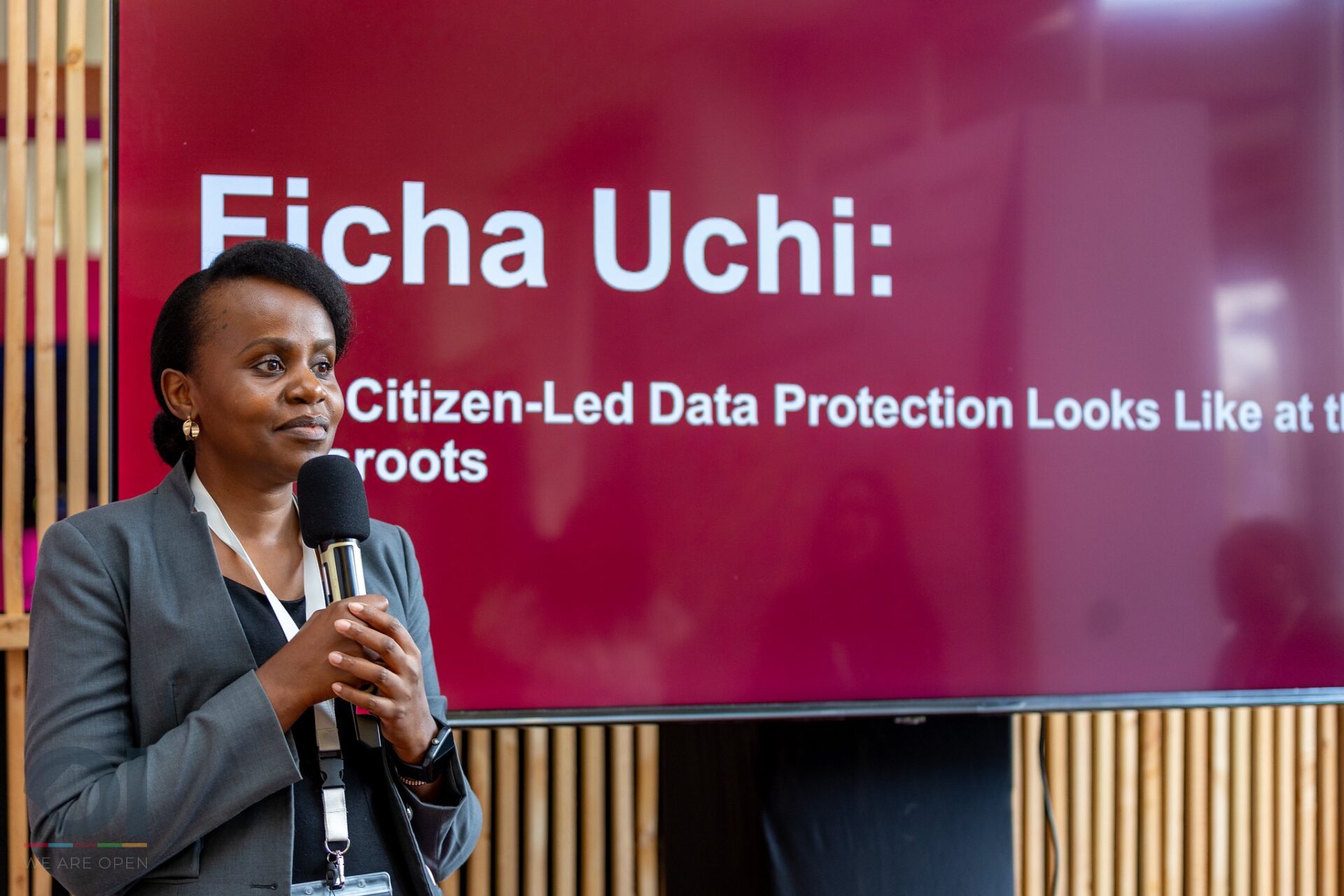
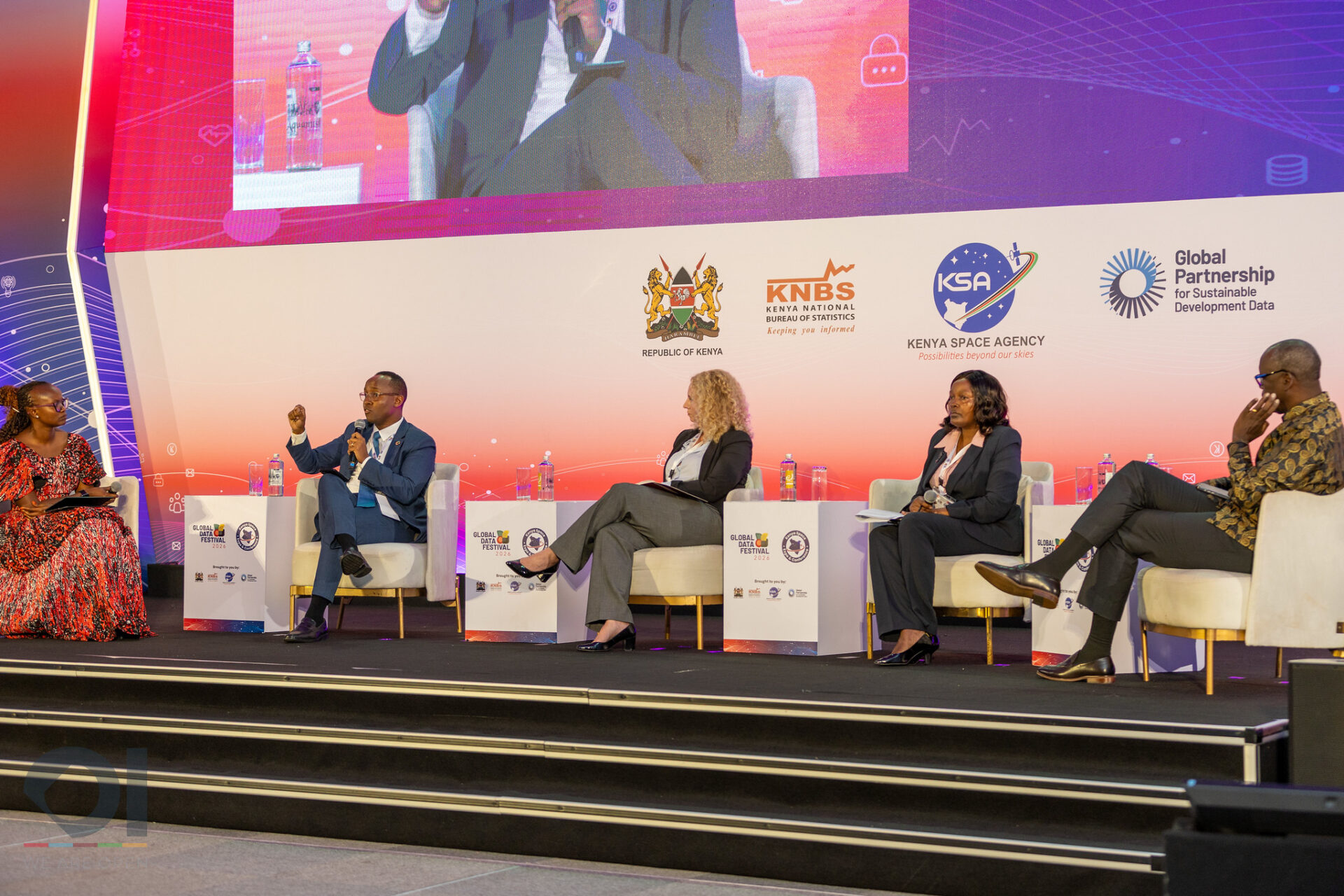
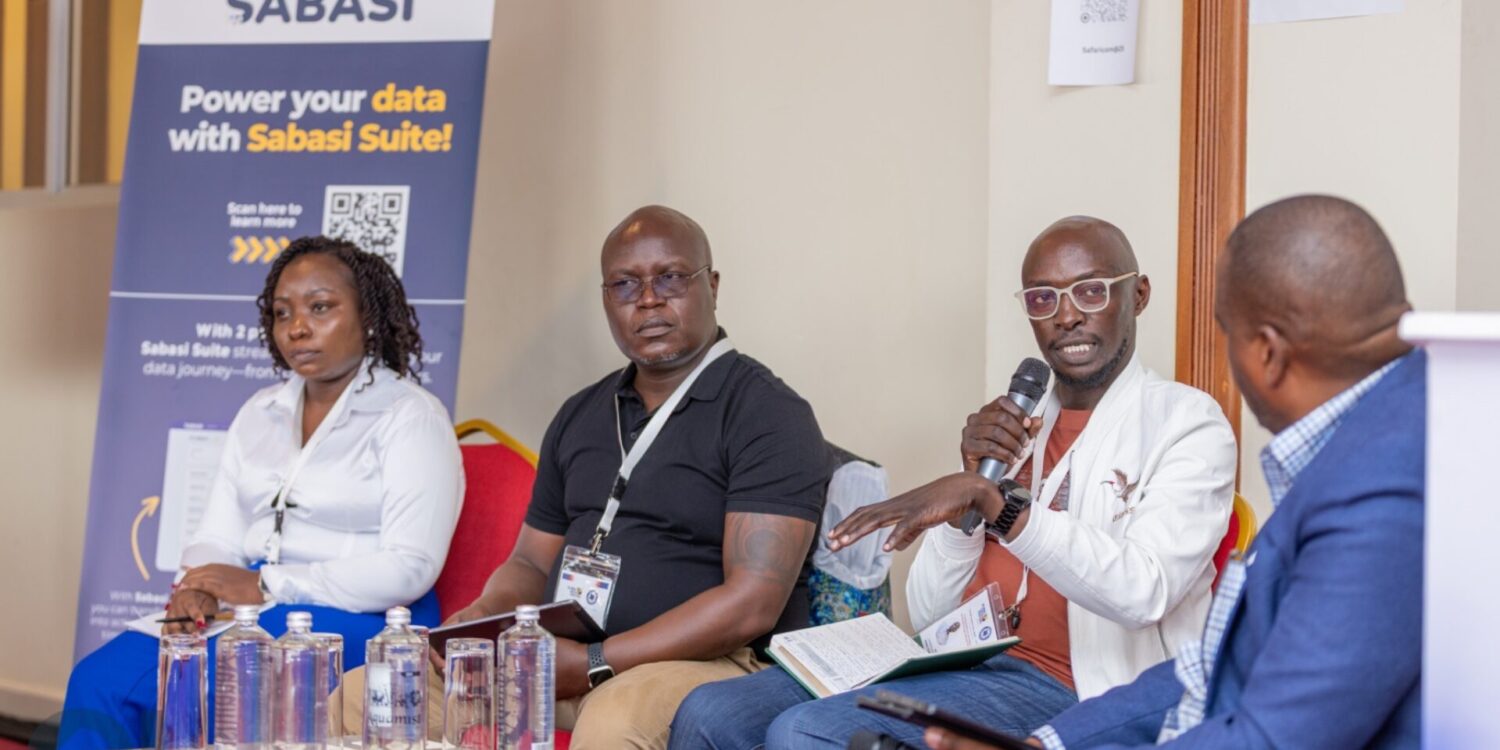
The future of good governance lies in informed participation where data flows not only from institutions to citizens, but also from communities to institutions. This was the central message amplified during the plenary session organised by the Open Institute, “Data on the Ground: Lessons from Community-Led Data Initiatives in East Africa,” at the Global Data Festival.
The session underscored the importance of treating data as a shared public asset. one that empowers communities, strengthens accountability, and fosters more inclusive and responsive governance systems.
When governments make information accessible and understandable, citizens become more than participants. They become co-creators of development.
And when citizens are informed, participation ceases to be a checkbox. It becomes a pathway to accountability, trust, and better governance.