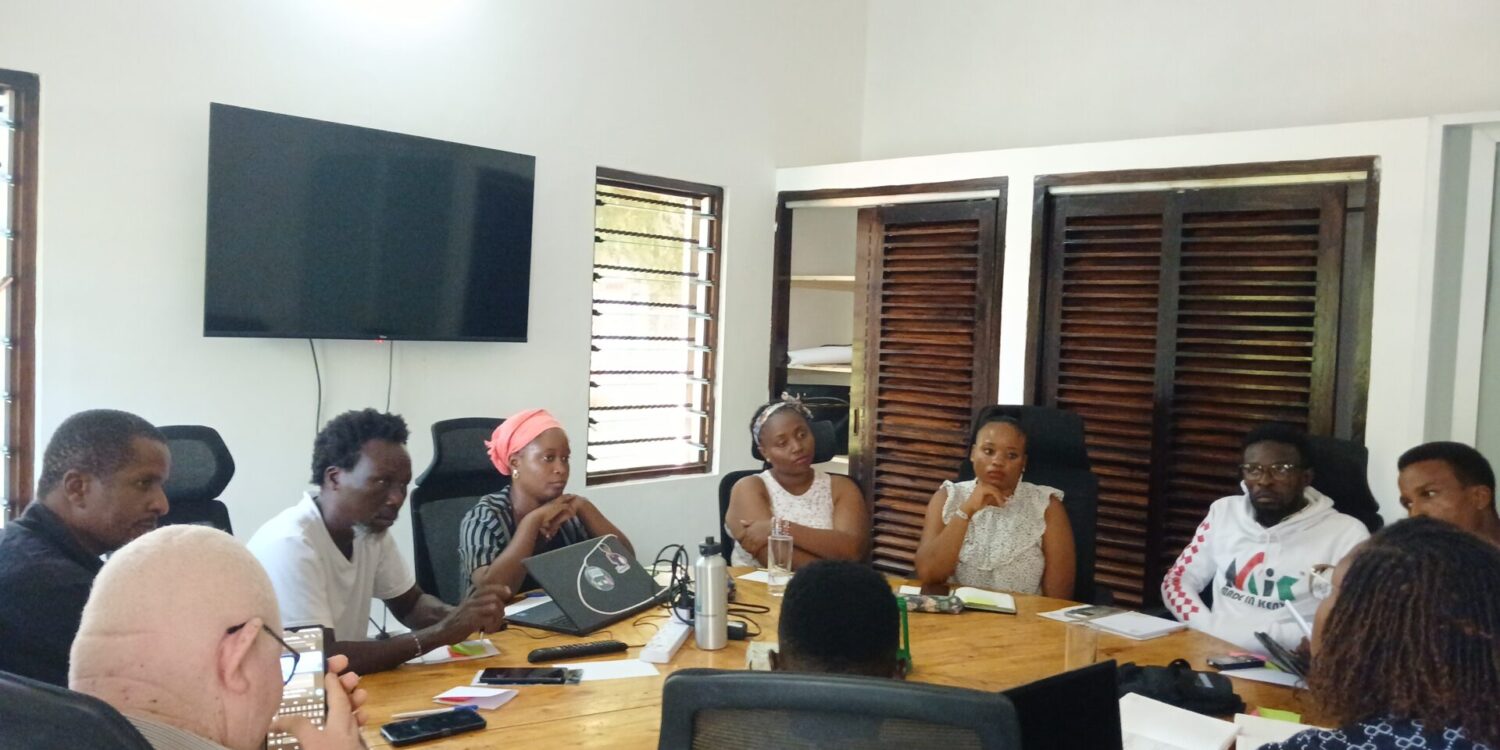
Across many communities, data is constantly being collected about people’s needs, challenges, and lived realities. Yet, the very communities represented in this data are often excluded from understanding, managing, or using it meaningfully.
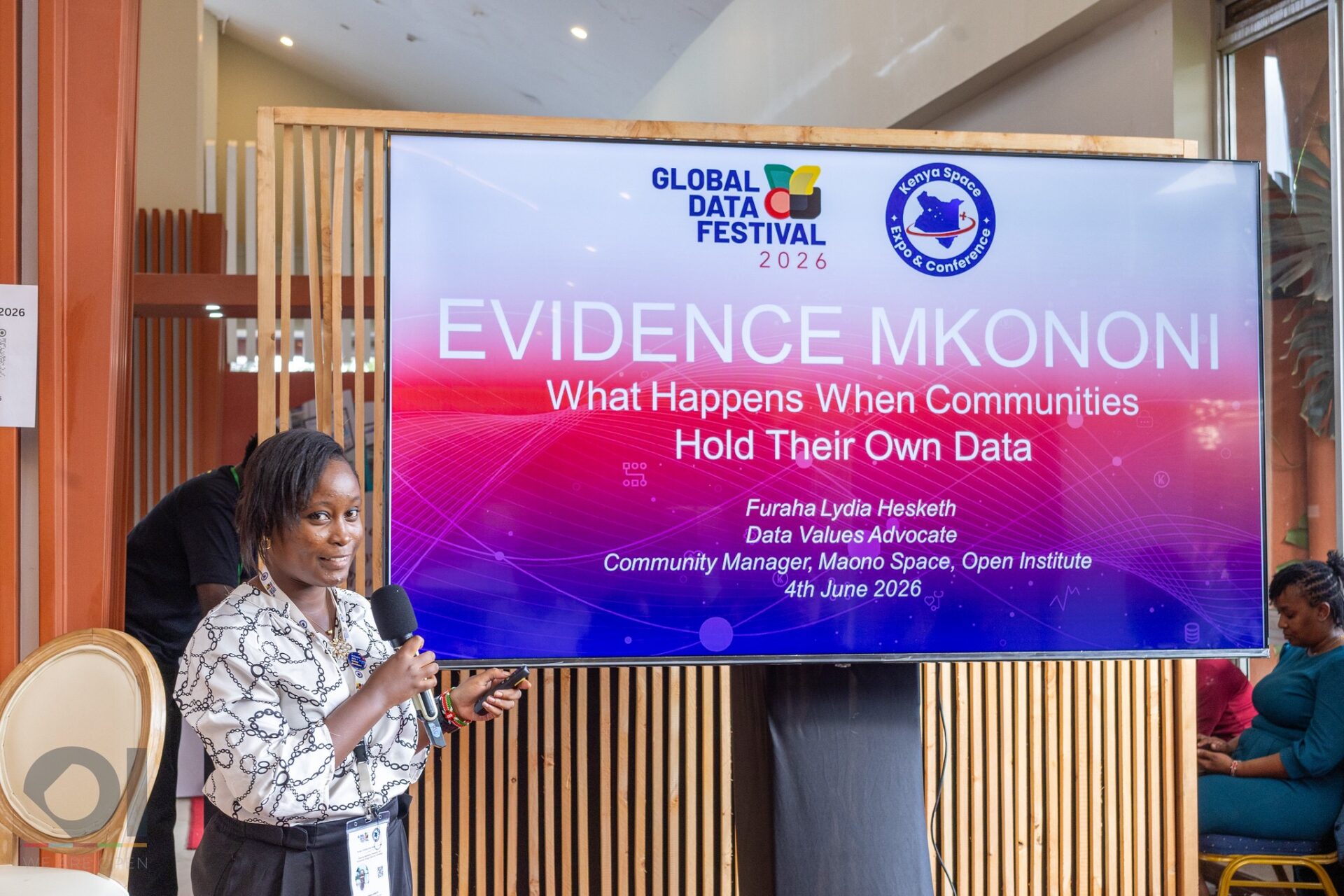
Evidence Mkononi is a project led by Furaha, our Community Manager at Maono Space, under the Data Values Advocate Programme and a fellowship by the Global Partnership for Sustainable Development Data (GPSDD). Through this work, Furaha is championing a model where communities are not just data sources, but active data owners and decision-makers.
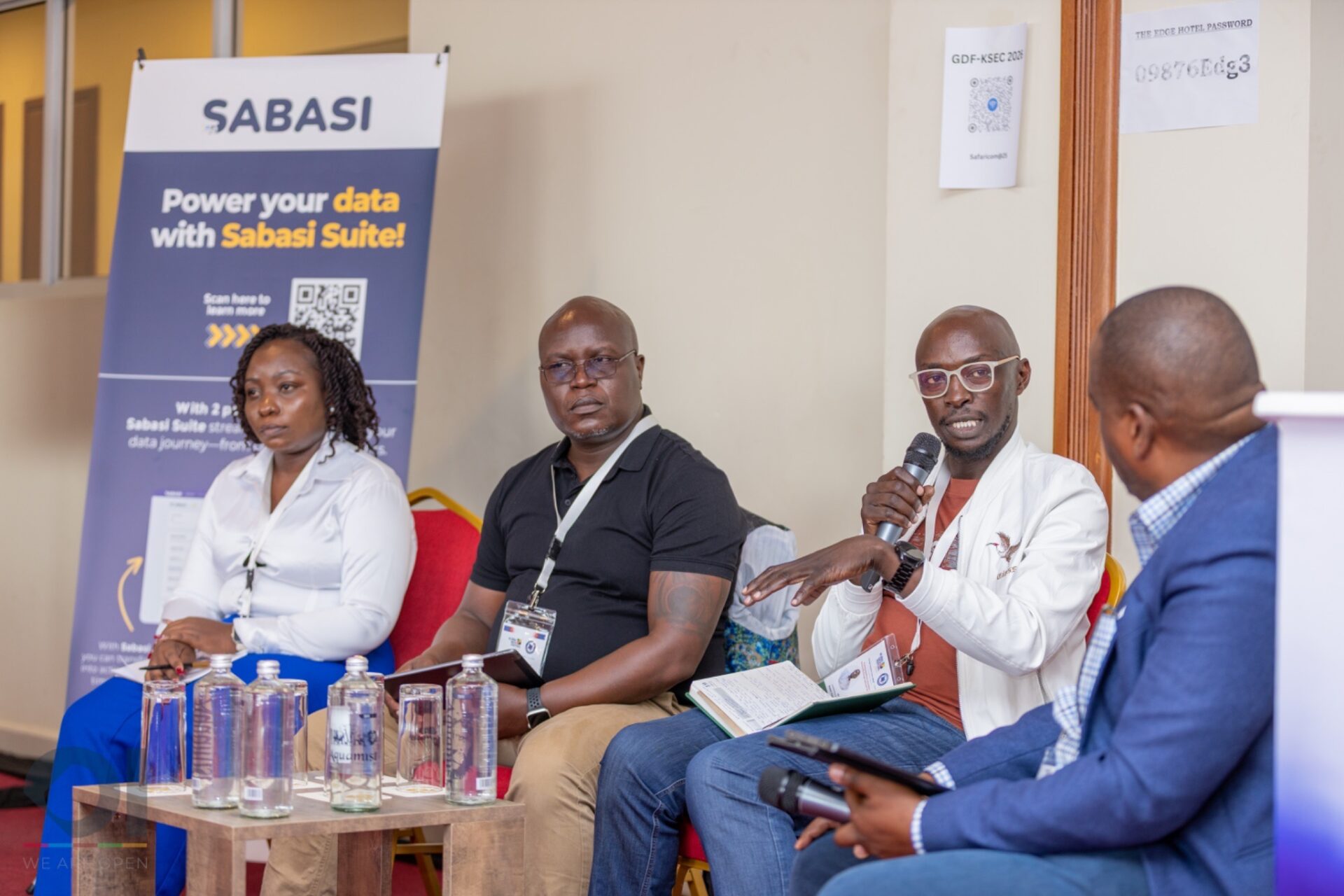
This project is further strengthened through the work of the Open Institute under its Data Governance Programme, which focuses on building the capacity of communities to meaningfully engage with data. The programme equips Community-Based Organizations (CBOs) with practical skills in data collection, data protection, and ethical data use, while also supporting them with accessible tools to make data collection more effective and context-driven. Through platforms such as Sabasi, Open Institute enables communities to gather, manage, and use data in ways that are simple, secure, and relevant to their local realities.
The Problem: A Broken Knowledge Ecosystem
Most data systems today are designed with formal institutions in mind, governments, NGOs, and large organisations. While these systems generate valuable insights, they often leave out grassroots actors, particularly Community-Based Organizations (CBOs), who are closest to the issues.
This gap creates several challenges:
1. Ineffective Programming
Without access to practical data tools, many CBOs rely on broad external datasets that fail to capture the nuanced realities within their communities. In addition, non-profit organizations implementing these projects may fail to address the root problems due to a lack of granular data from community members. This leads to programmes being implemented with little impact.
2. Erosion of Trust
Communities are frequently treated as data sources: people from whom data is extracted rather than as partners who can interpret and use that data meaningfully.
3. Persistent Inequity
Power over knowledge remains concentrated among external actors with technical capacity, while grassroots organizations often lack the tools, skills, and confidence to manage and use their own data. Even when communities contribute to data collection, the insights and reports generated are rarely shared back with them. As a result, they are excluded from fully engaging in decisions that shape their own development.
At its core, this is not just a technical issue, it is a question of power, ownership, and inclusion.
The Approach: A Practical, Community-Centered Model
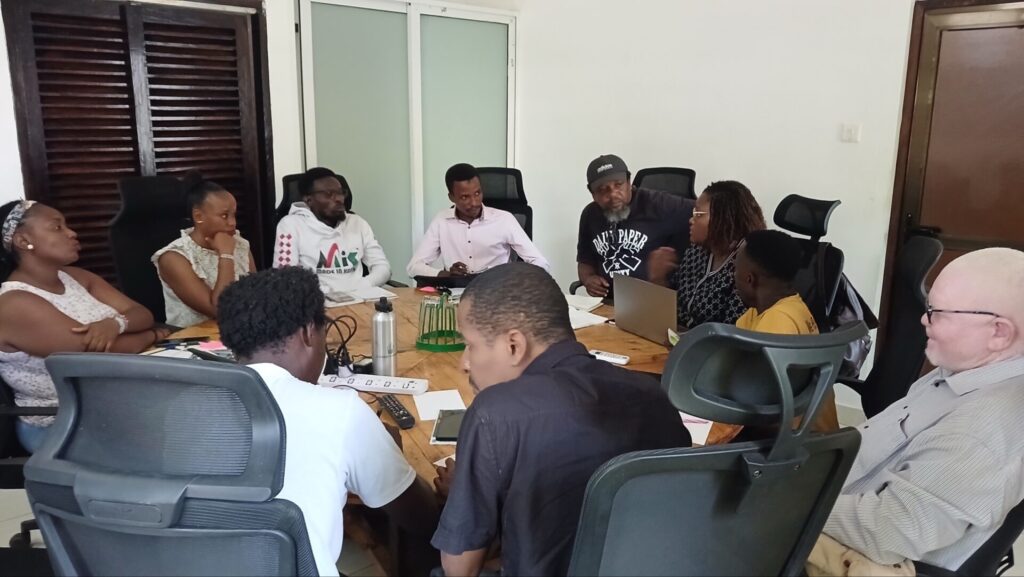
Lydia Furaha designed Evidence Mkononi, which means “Evidence in Hand”, to bridge this gap by equipping 8CBOs in Malindi with practical data literacy skills.
Recognising barriers such as limited internet access, language constraints, and the reality that many CBO leaders juggle demanding operational and personal responsibilities, the project adopts a hybrid, flexible, and accessible learning model:
1. Onboarding & Foundations
The journey begins with a critical mindset shift, from making decisions based on assumptions to using evidence. CBOs are introduced to the value of data-driven decision-making, helping them see data as a practical tool for their work. During the first workshop, each CBO identifies its specific knowledge gaps, skill limitations, and priority data needs.
2. Video-Led Technical Training
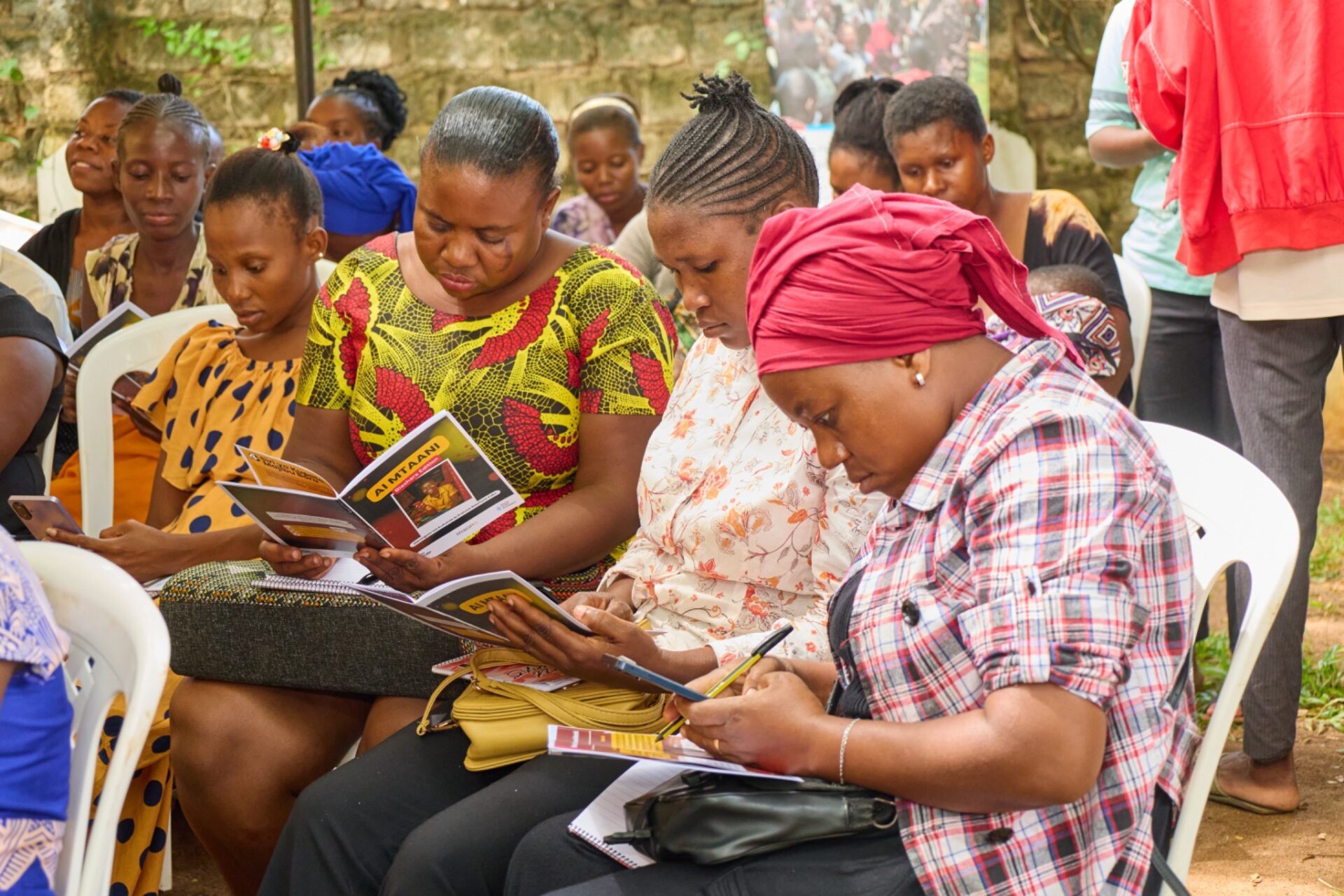
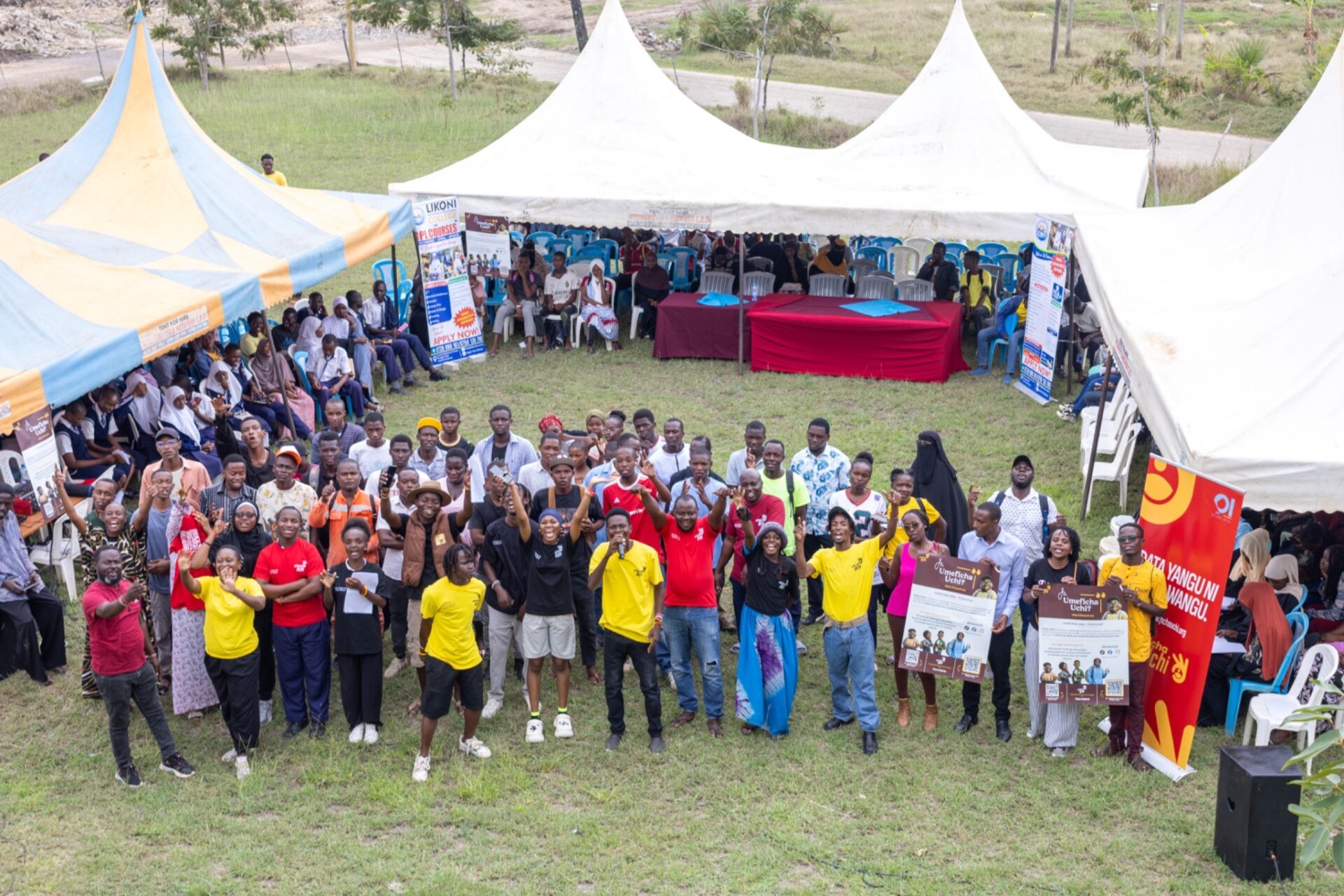
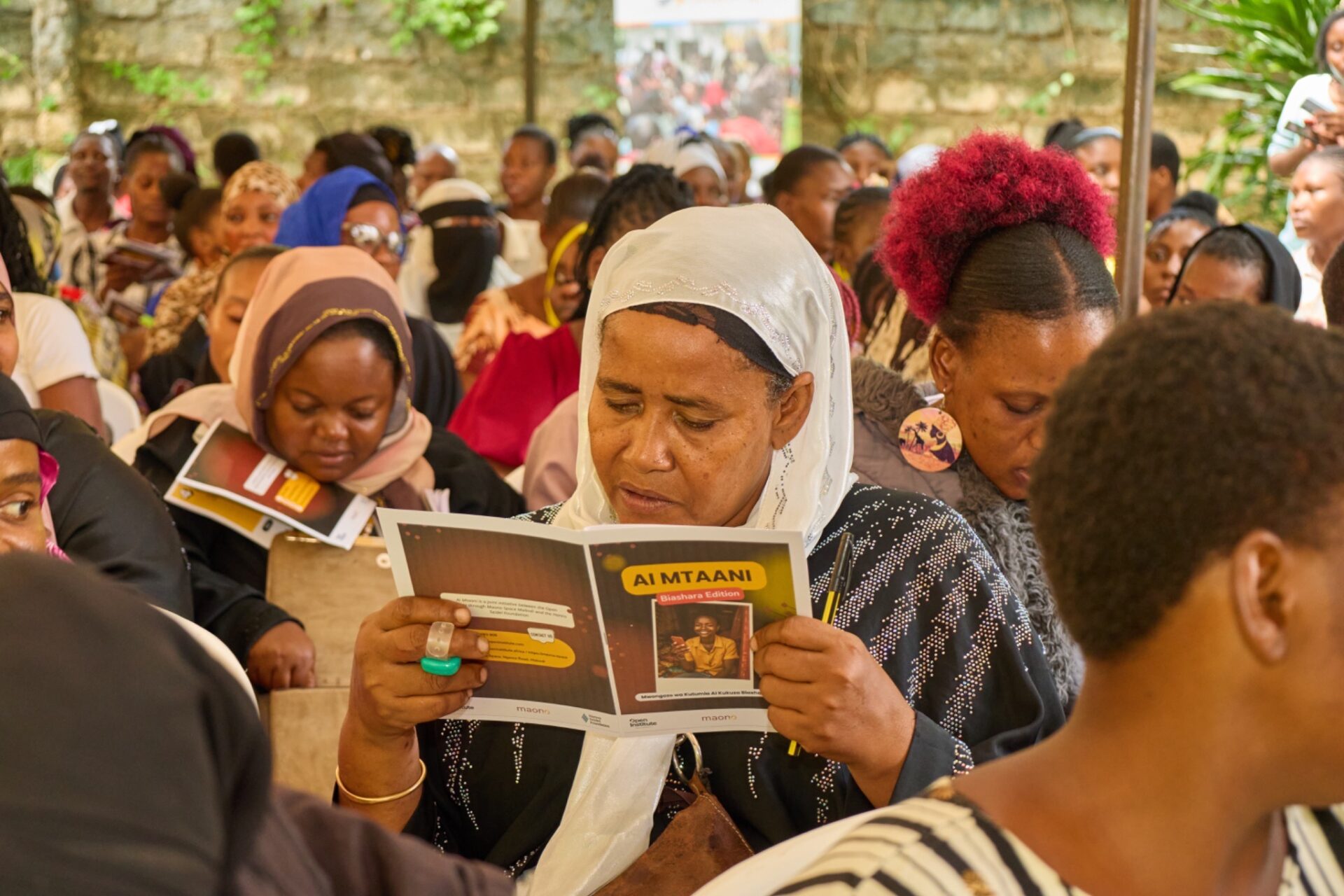
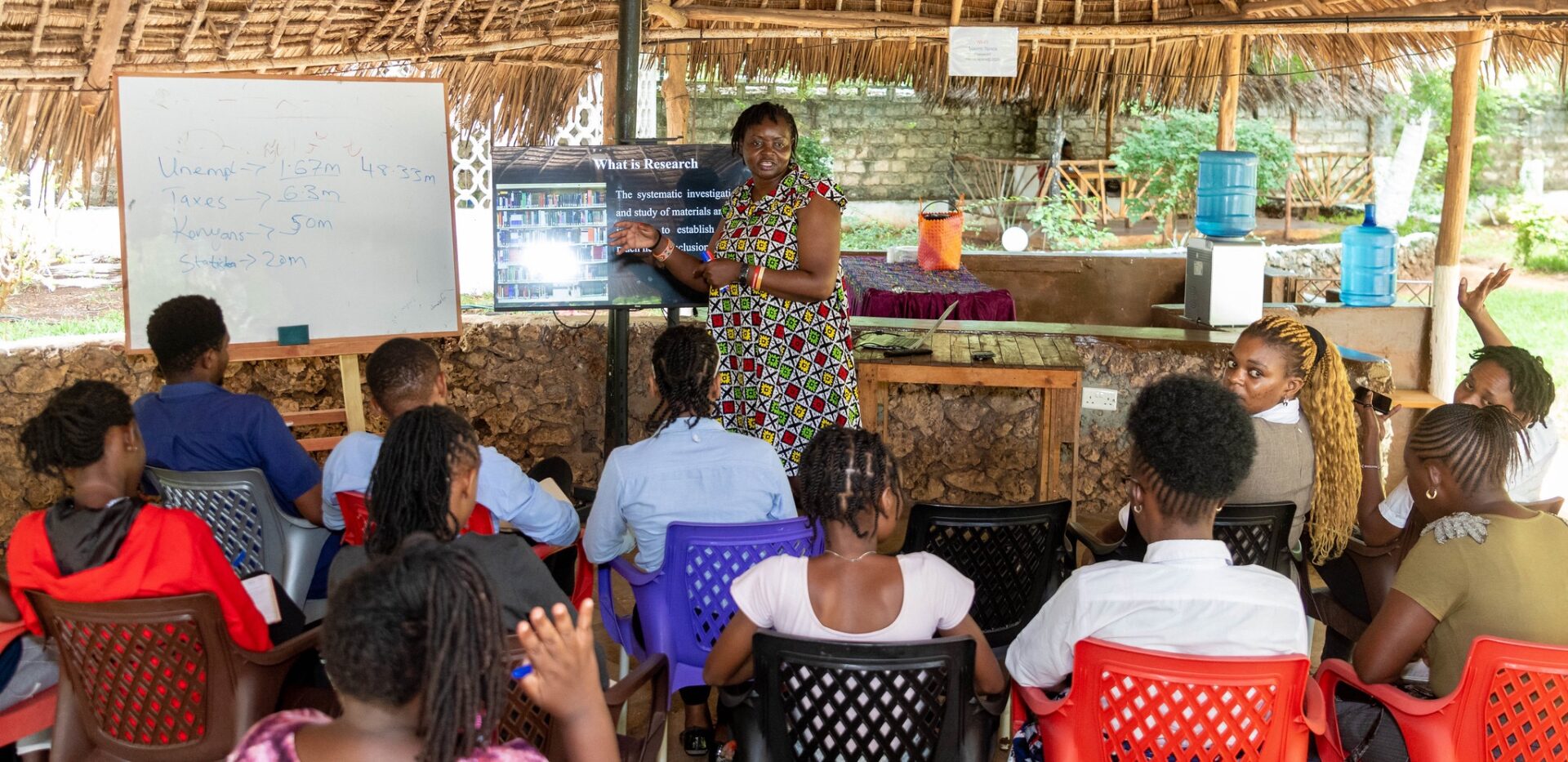
To ensure accessibility, Furaha organizes in-person meetups with the CBOs to facilitate peer-to-peer learning and discussion. Building on these sessions, she develops simple, step-by-step video tutorials. These videos guide participants on how to design surveys and use data tools through clear, contextual examples drawn from their day-to-day operations, allowing them to learn at their own pace.
3. Field Mini-Projects & Coaching
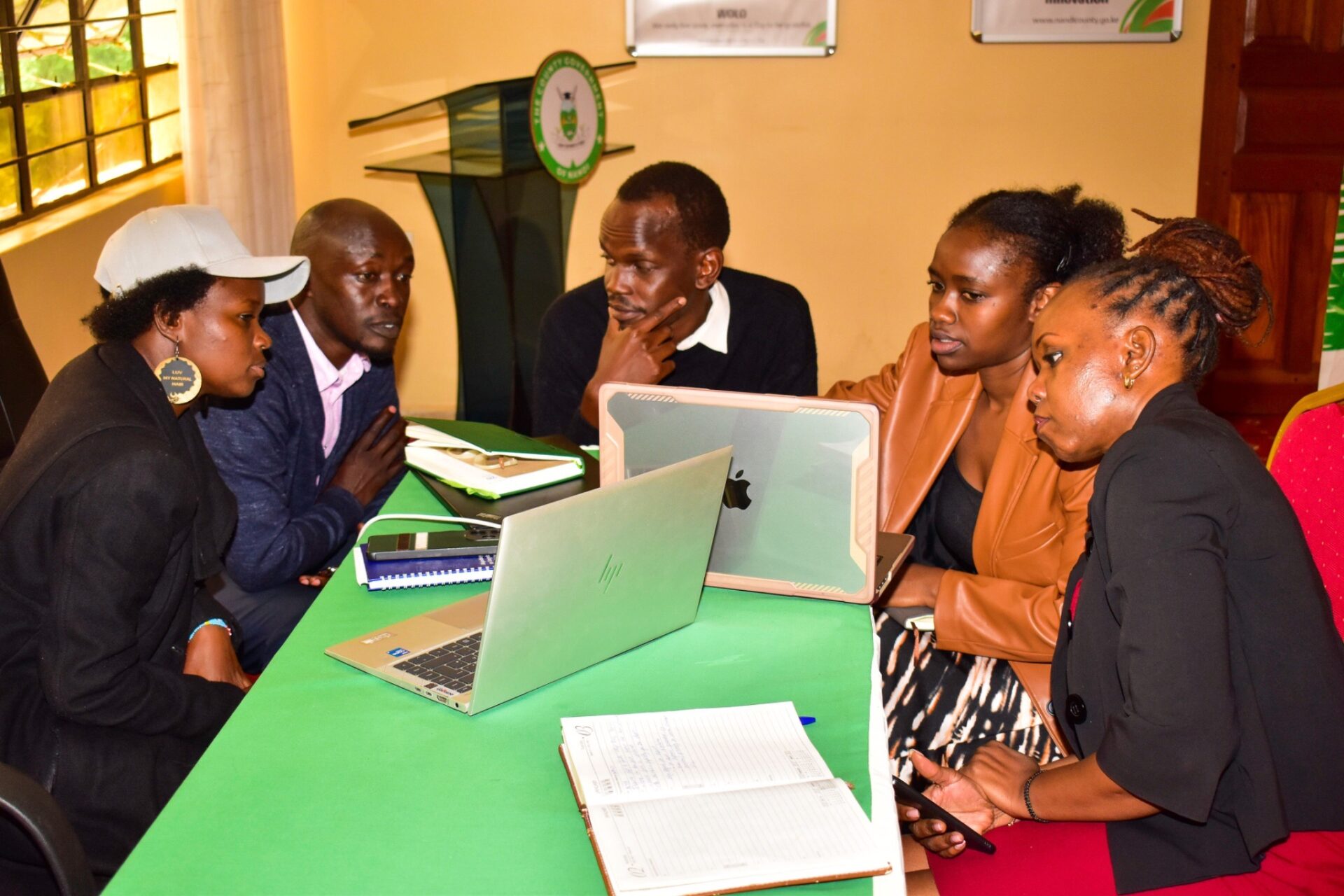
Each CBO applies what they learn by conducting a real-world survey linked to a challenge they are actively working to address. Through one-on-one coaching, they receive hands-on support across the entire data process; from collection and cleaning to analysis, visualization, and storytelling ensuring the insights generated are accurate, relevant, and actionable.
4. Finalisation & Storytelling
In the final phase, raw data will be transformed into clear, compelling narratives. CBOs will develop visualizations and data stories that enable them to engage funders, county leaders, and partners with evidence-backed insights. They will also leverage this data to strengthen proposal writing, design more targeted community interventions, and refine their organisational work plans.
The Tools and Support System
To ensure smooth implementation, the project integrates both technical and institutional support:
- Surveys and data collection are conducted through Sabasi Suite
- The programme team supports onboarding and coordination
- The tech team ensures proper setup and troubleshooting
- Other resources developed by open source will be reviewed
Running from March through early May, the project blends in-person workshops with field-based learning, making it both practical and grounded in real community challenges.
So far, participants have had a highly engaging learning experience, actively developing their own surveys and demonstrating strong curiosity about working with different datasets. Key areas of interest include understanding unemployment rates among persons with disabilities (PWDs), exploring the causes and prevalence of mental health challenges among youth, identifying barriers to the growth of traditional cultural artistry, and analyzing waste disposal patterns within communities.
The Impact: From Data Sources to Data Owners
Evidence Mkononi is not just about teaching tools but shifting power.
By the end of the programme, participating CBOs will:
- Confidently design and conduct their own surveys
- Generate and analyse data that reflects their community realities
- Use evidence to strengthen programming and decision-making
- Engage stakeholders with credible, data-driven narratives
More importantly, the project aims to rebuild trust and reposition communities as equal partners in the data ecosystem.
“When communities own their data, they hold their own future. Evidence Mkononi is proof that the shift is possible — and that it starts at the grassroots.” – Furaha
Looking Ahead
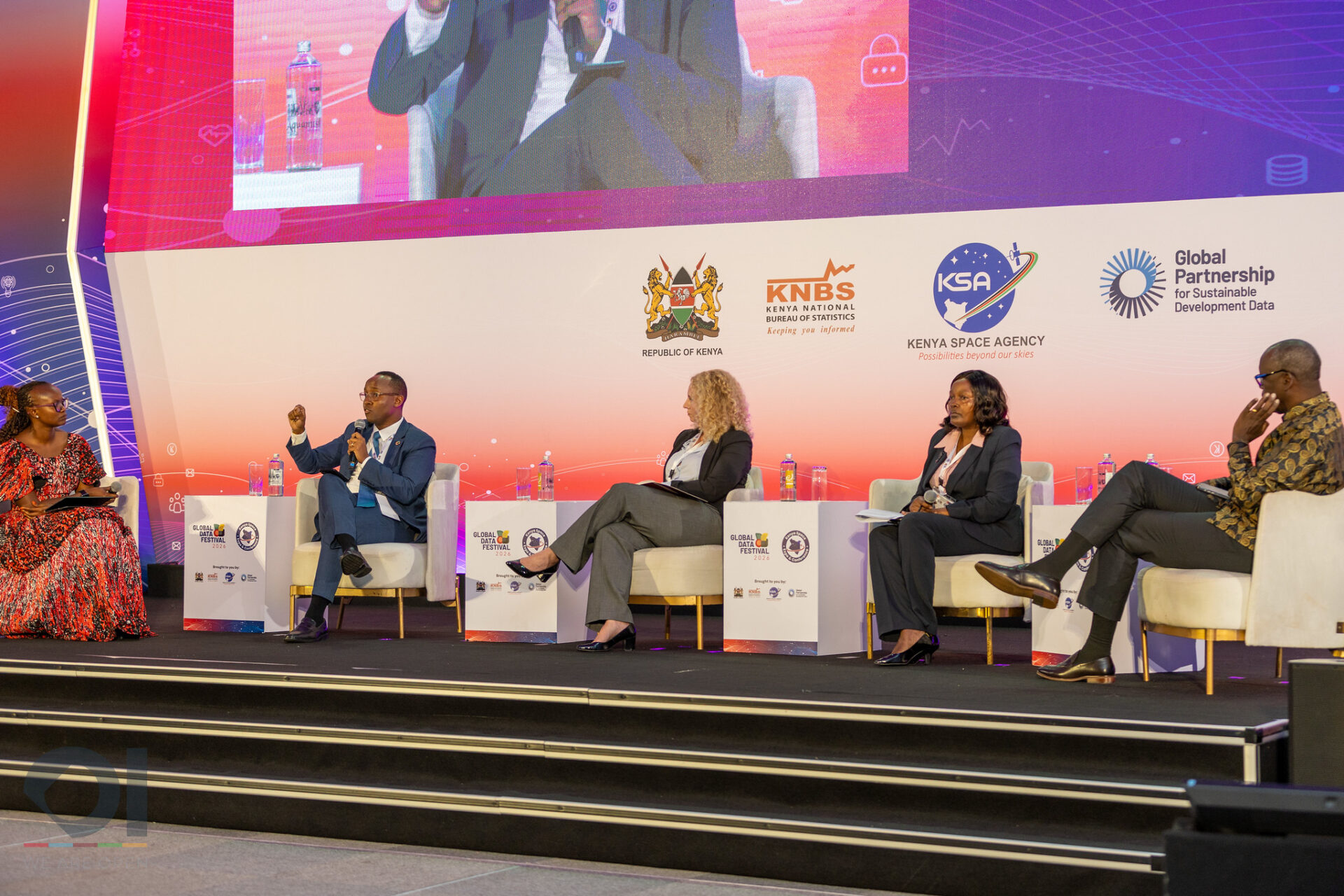
As the fellowship culminates in a global data conference in June, Evidence Mkononi stands as a powerful example of what inclusive data governance can look like in practical, localized, and community-driven.
Because when communities have evidence in their hands, they become active participants and shape the development they want to see.