Part Two of a two-part series on data at the subnational level | By Christine Ajulu, Deputy Director – Open Institute
Earlier this year, I wrote about why data so rarely moves at the county level. That first article sat with an uncomfortable set of obstacles: data that clashes with political agendas, county staff with no reason to care, a shortage of expertise on both the state and non-state side, an instinctive resistance to change, funding that arrives in fits and starts, and a data ecosystem in which supply, demand, and use have never been knitted together. Beneath all of it lay a single quiet truth: that at a personal level, almost nobody, neither the citizen nor the official, feels they actually need the data.
That was the diagnosis. This article is about the ‘treatment’. None of what follows is theoretical wish-listing. Every element has been shown to work somewhere, often within Kenya itself. The task is to make those successes deliberate rather than accidental.
1. Work with the political agenda, not against it
In the first article, the alignment of data with political agendas appeared as a problem: County Executives want flattering figures, not awkward ones. But it is a mistake to treat that political interest as purely an obstacle to be resisted. Politicians respond to what helps them deliver and get re-elected. The trick is not to lecture them about transparency as a virtue; it is to show them that good data helps them keep their promises.
This is where the deeper issue of public trust has to be confronted head-on, and by everyone, but especially by duty bearers. Citizens engage with data, and with the institutions that hold it, only when they believe doing so is safe, meaningful, and likely to lead to change. Where governments have historically extracted information from communities without explanation, without feedback, and without consequence, a rational scepticism takes root, and data becomes something done to people rather than with them. The political-science framing is useful here: under principal-agent theory, the gap between what officials know and what citizens can see is exactly what erodes trust. You cannot “communication-campaign” your way out of that gap. You close it by being responsive over time and earning credibility through action, not broadcasting. Even a county with a genuinely strong development agenda has to do this work, because a good agenda that nobody believes is, politically, no agenda at all.
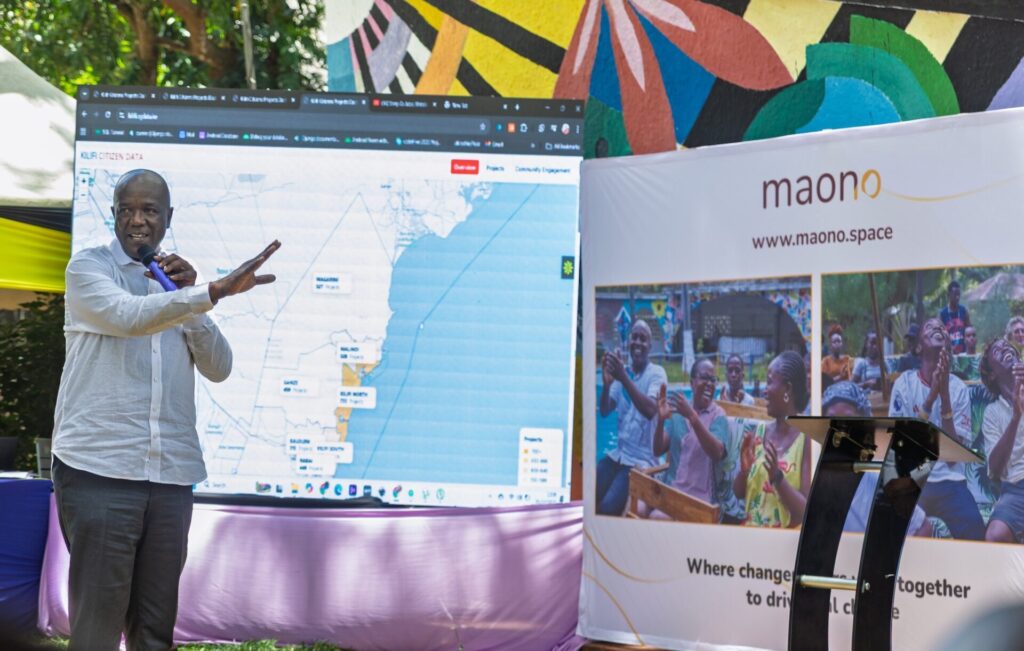
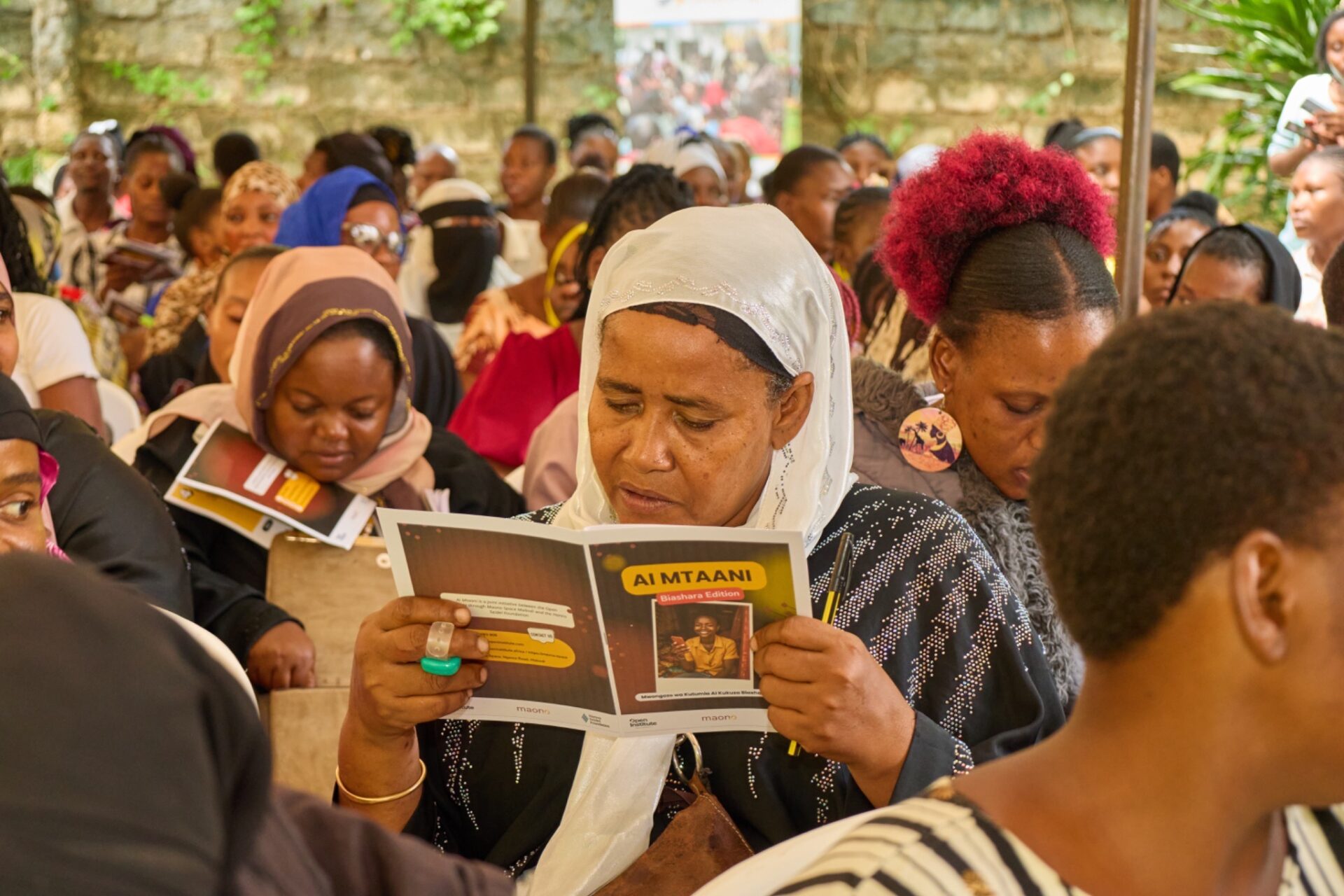
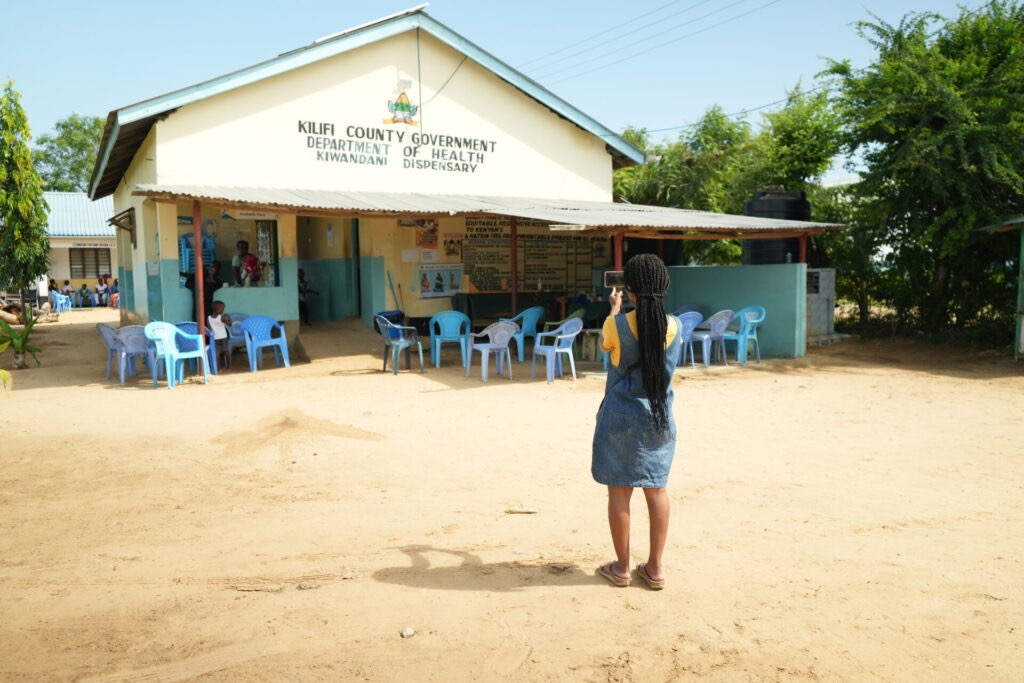
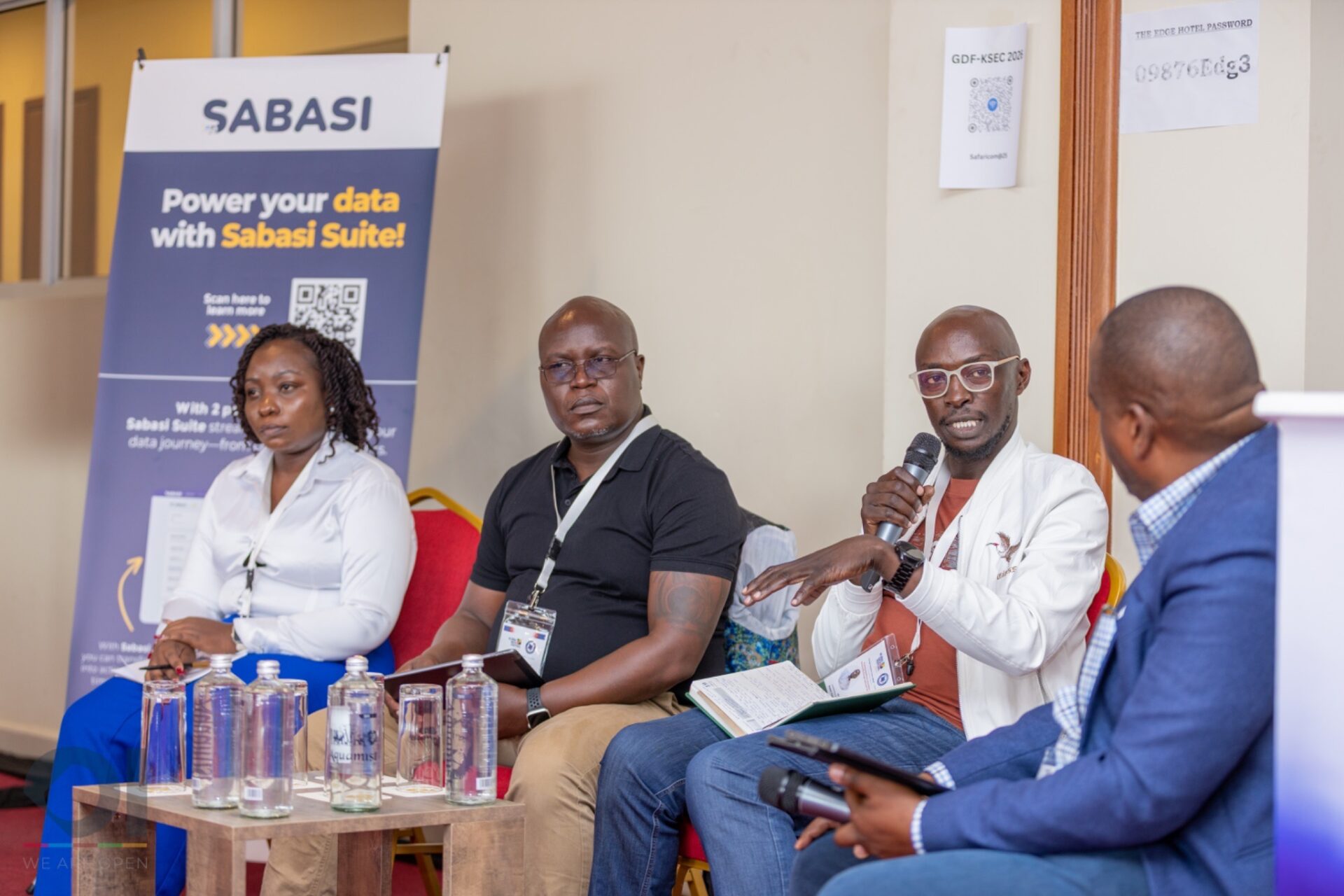
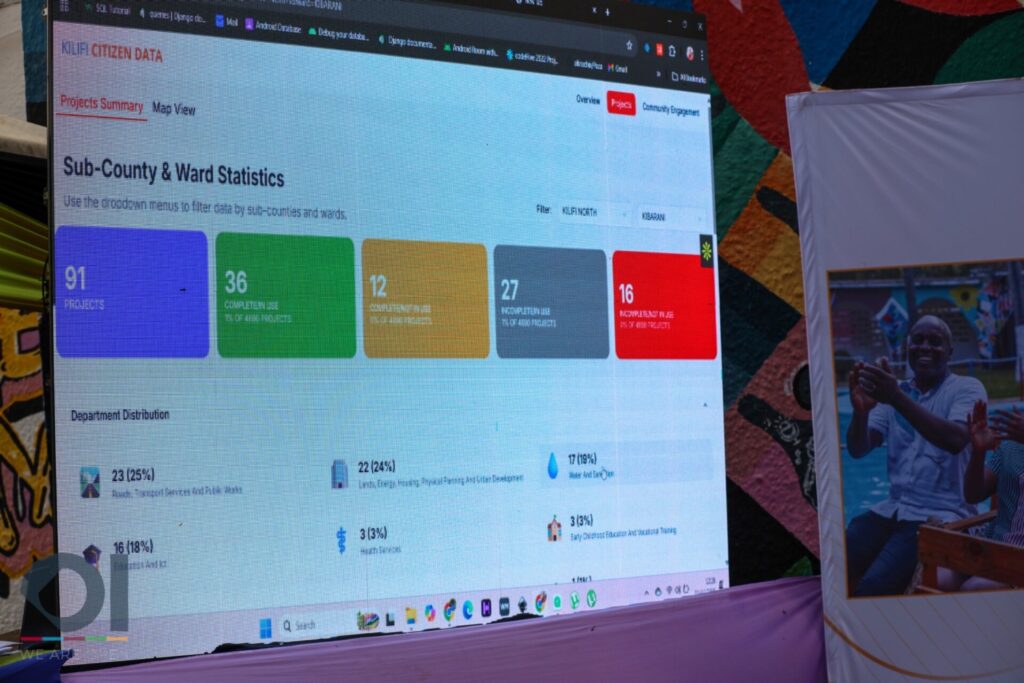
| VIGNETTE: WHEN A COUNTY SAYS YES In Kilifi, a network of community-based organisations under the Maono Space did something quietly radical. Local changemakers, many of them young people drawn from all thirty-five wards, were trained for half a day on a simple smartphone data-collection tool dubbed sabasi https://sabasi.mobi/ and then sent out to map every health and education facility in the county. What had been imagined as a slow, manual exercise was completed digitally in a matter of days. They recorded hundreds of health facilities, more than a thousand education facilities, and tens of thousands of businesses, then checked that data against the population and against the official health information system.What turned a data exercise into a partnership was a county official who saw it work. A chief officer, told that a CBO network had mapped the whole county’s facilities in three days, asked to see how. What sold her was not the technology in the abstract but a single, concrete promise: that data would be entered in real time, so she could log in anytime, anywhere, and see exactly what had been done. “I am sold on this one”, she said, noting it would save the county time and resources. In the process of saving time and resources for the county, she increased revenue for her department too, she enlisted the ‘expertise’ of the “youth army”, to map out all the businesses in the county, resulting in the realisation that some businesses were operating without necessary licenses, thus, increased revenues for the department. That is alignment in practice; not an agency persuading a county to care about data, but a county official discovering that the data served her own pressing need.1 The lesson is not that Kilifi is exceptional. It is that trust was built by doing something visible, useful, and fast, and then sharing the result. The relationship came before the dashboard. |
2. Publish, even if you publish little
There is a temptation to believe that the work is done once a dashboard goes live. It is not. A dashboard is one part of the puzzle; the harder and more important part is uptake, whether anyone actually looks at the data, trusts it, and acts on it. As one health-sector practitioner put it, if the data is not consumable, then it is not useful. A beautiful portal that no community ever opens has changed nothing.
But the answer to the uptake problem is not to wait until the data is perfect before releasing it. Here, I want to be insistent on one principle: the products of this work must be public. Publishing a little data is better than publishing none at all. A partial, imperfect, openly available dataset invites scrutiny, correction, and use; a complete dataset locked in a drawer invites nothing. Openness is not the reward at the end of the process. It is the mechanism that drives the process, because the moment data is public, people start asking questions of it, and those questions are what pull the whole system forward. Publish little, publish early, publish openly, and improve in the daylight.
3. Build capacity on both sides of the table
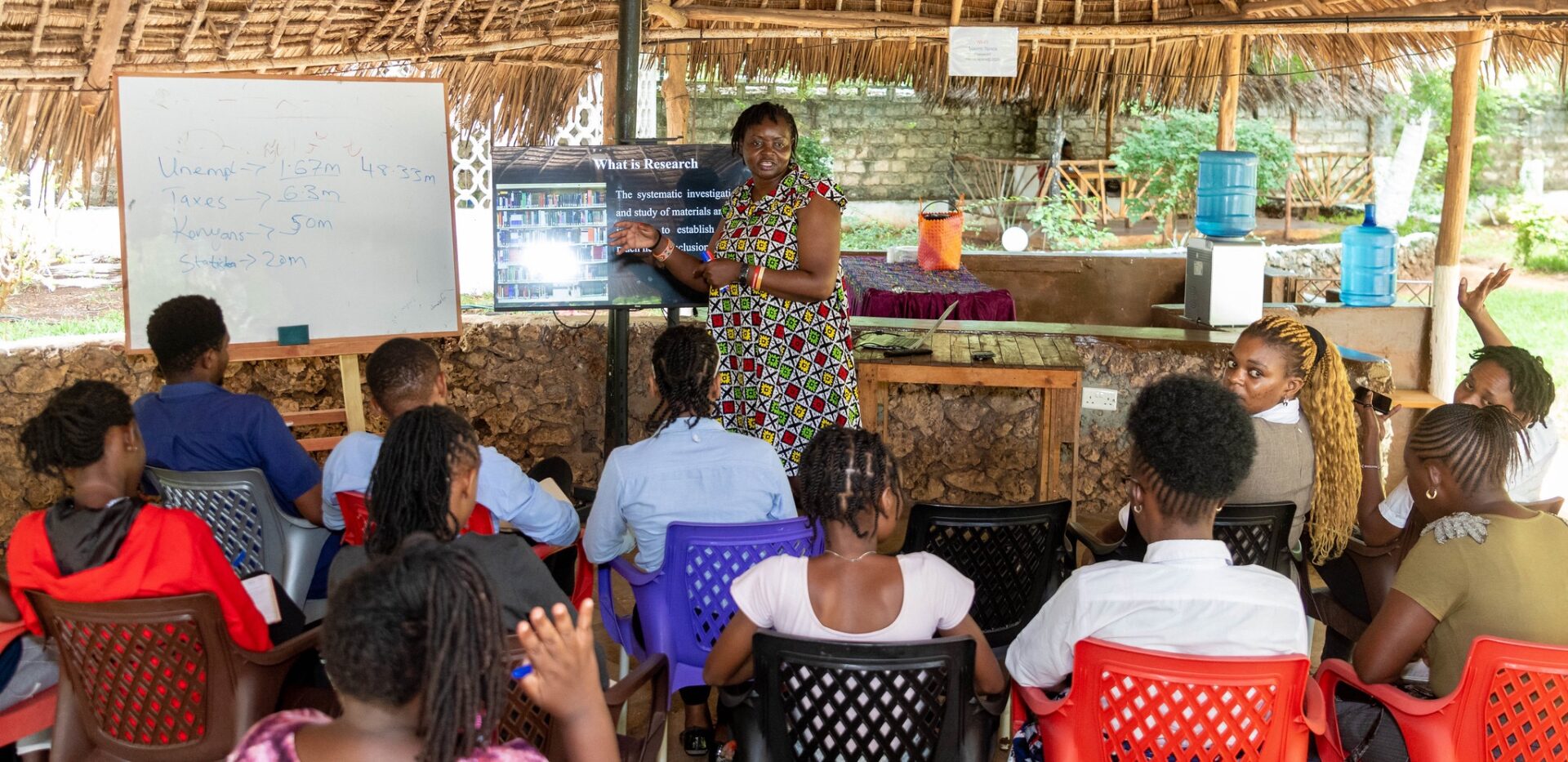
The expertise gap in the first article cut both ways: weak county statistical units, and equally weak data skills among the community organisations meant to hold them to account. The solution has to address both, and crucially, it has to bring them together rather than treating them as separate worlds.
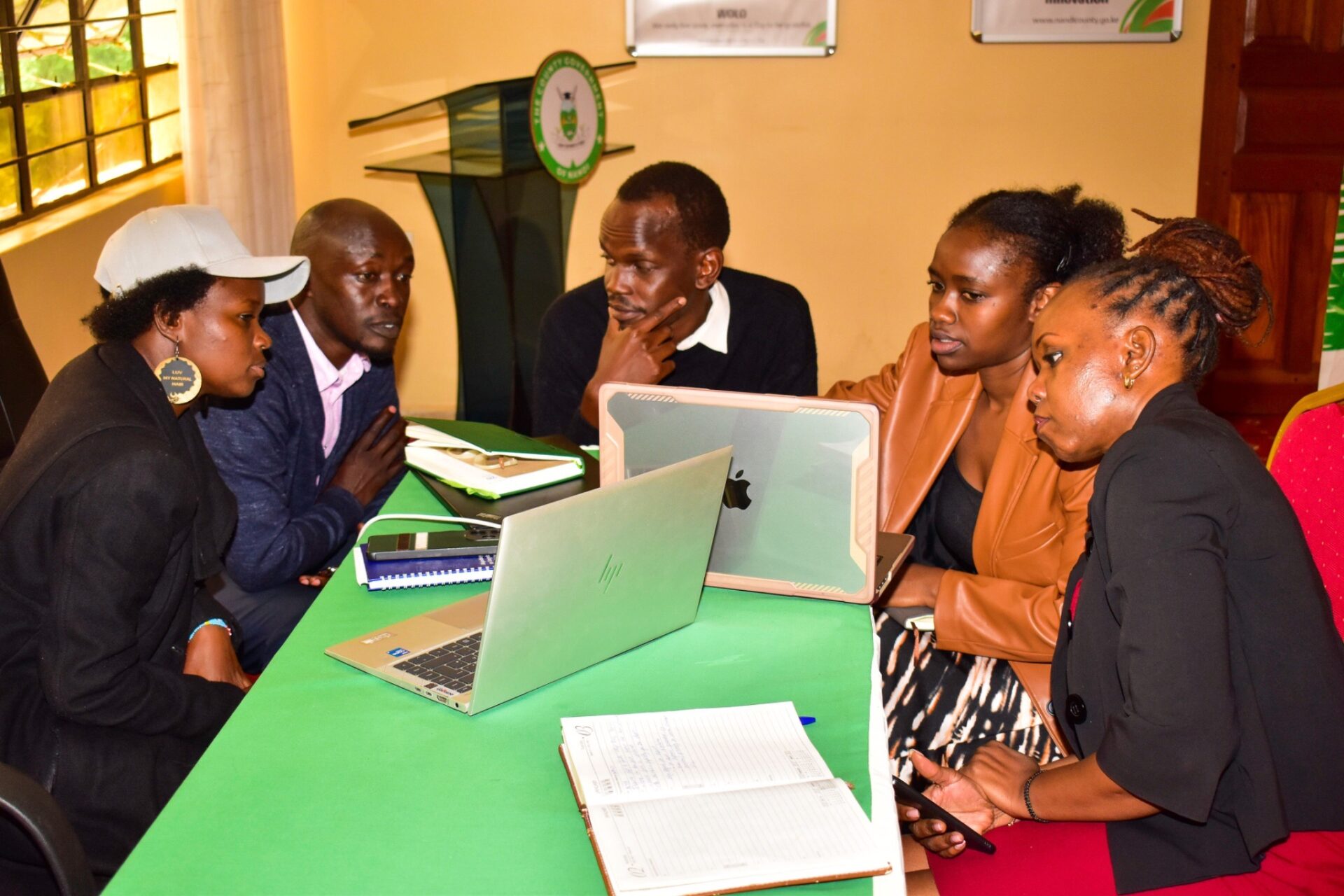
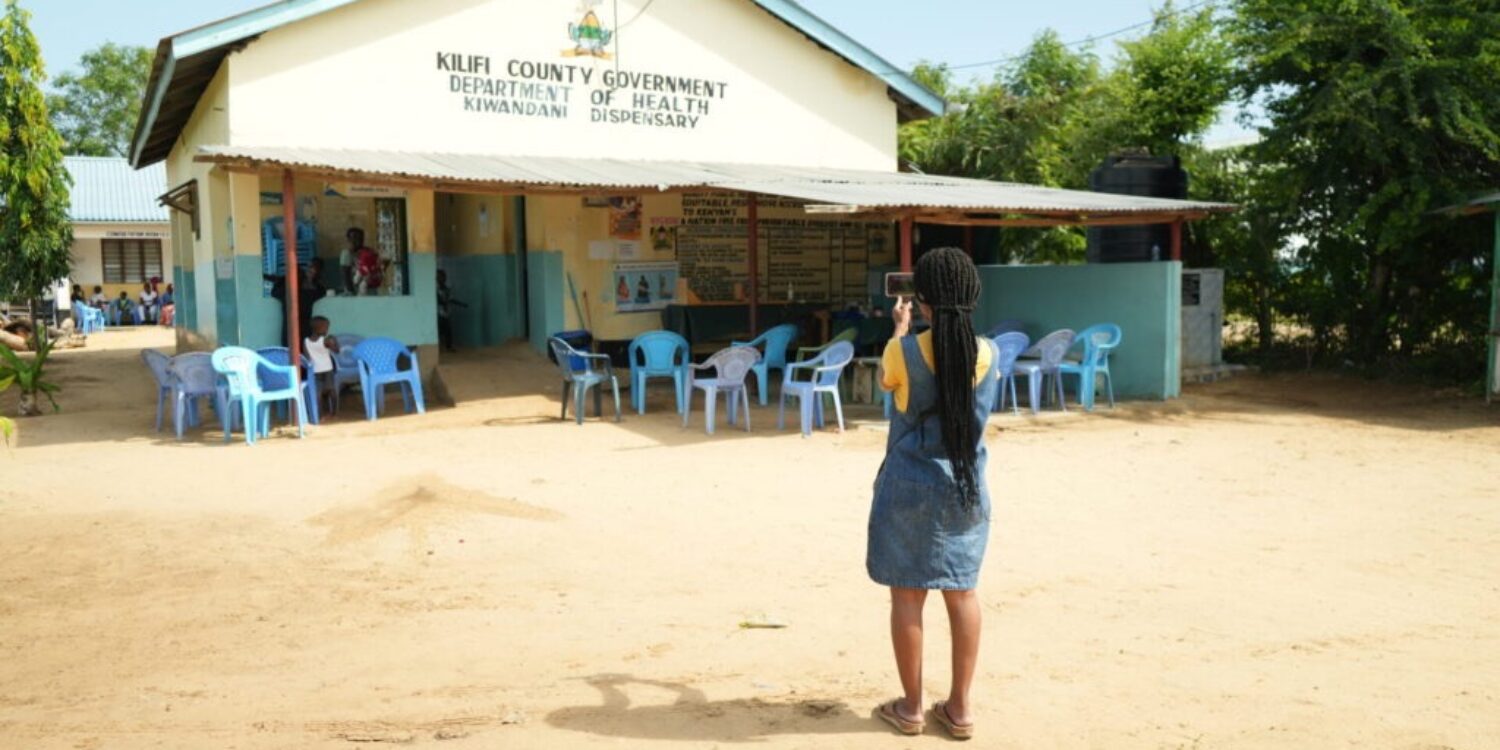
On the state side, the most durable capacity-building is peer-to-peer and embedded, not a one-off workshop. Kilifi’s health department, for instance, sustained its workforce data system partly through quarterly inter-county forums where counties benchmark themselves against one another, troubleshoot, and mentor weaker neighbours.2 Other than the workshops, Kilifi County Department of Health and Sanitation Services hosts Biennial Health Scientific Symposia to bridge the critical gap between local academic research and grassroots health policy, ensuring that valuable data generated within and on the county is used to solve regional healthcare challenges. Before this initiative, vital research on local issues like malnutrition, maternal mortality, and infectious diseases rarely influenced county budgets or clinical strategies. By creating a direct collaborative platform, the symposium transforms theoretical data into practical healthcare laws, equips frontline medical workers with continuous training, and attracts external funding to build a sustainable, data-driven healthcare system tailored specifically to the needs of Kilifi residents. That kind of horizontal learning outlasts any single project.
On the non-state side, the priority is to forge far stronger partnerships with the grassroots CBOs and NGOs already doing sectoral work, on water, health, and land, and to strengthen their ability to use data for advocacy. These organisations have the trust and the local knowledge that governments often lack; what they frequently lack is the skill to turn what they see into evidence a budget committee cannot ignore. Pair a community group’s credibility with the ability to wield data, and you create a demand-side actor capable of pulling data through the system, which is precisely the missing link the first article identified.
4. Fix data quality deliberately
Poor data quality is the fastest way to lose trust: one obviously wrong figure and a sceptical official will dismiss the whole dataset. But quality does not improve on its own, and it does not improve by exhortation. It improves through specific, repeatable practices, and we know what they are because they have worked.
| VIGNETTE: MORE LESSONS FROM KILIFI Another clear Kenyan illustration comes from Kilifi’s health workforce data. When the county compared the records in its human-resources information system against the payroll database, it found a discrepancy of thirty-one workers. A focused four-day workshop brought together the right people, the HR director, the payroll manager, and the technical team, to inspect, sort, clean, and reconcile some 1,460 staff records across both systems. The result was not just cleaner data. The county identified twenty-five names that should never have been on the payroll and began saving over 150,000 US dollars a year3. That is what deliberate quality work looks like: triangulating one dataset against another to surface discrepancies, convening the people who own each system, reconciling the records, and doing it on a regular cycle rather than once. Quality is a routine. And when it pays for itself, as it did in Kilifi, the motivation problem from the first article in this series starts to dissolve, because suddenly the data has a direct, personal, budget-line use for the people producing it. The lesson: data quality is a routine, not a one-time event—and when you triangulate one dataset against another, convene the people who own each system, and reconcile on a regular cycle, the work pays for itself. |
From a problem with no constituency to data with a purpose
Step back, and a pattern emerges across all four solutions. Each one works by attaching the data to a real need that a real person feels. Align with the political agenda, and the county executive needs the data. Publish openly, and citizens and journalists start needing it. Build capacity on both sides, and community advocates need it. Fix the quality so it saves money, and the county officer needs it. The thread running through every successful example is the same: the data stopped being a duty performed for someone else and became a tool that served the person handling it.
That is the answer to the quiet truth at the heart of the first article. The absence of a direct need or interest in data at a personal level is not a permanent condition. It is a design failure, and design failures can be fixed. The work is not primarily technical. It is the patient, structural work of building trust, creating relevance, and making sure that when someone finally looks at the numbers, they find something worth acting on, and a system ready to act.
Devolution gave Kenya forty-seven new arenas in which governments could come closer to the people. Data is one of the most powerful instruments for closing that distance, but only if it moves. The counties that have made it move did not start with the perfect portal. They started by doing something visible and useful, sharing the result, and letting trust do the rest. The rest of us can choose to do the same on purpose.
REFERENCES
- Open Institute, “Data for Development: A Citizen-Led Initiative in Kilifi County” (23 July 2024), https://openinstitute.africa/2024/07/23/data-for-development-kilifi/. The article describes how Maono space CBO leaders mobilised 78 changemakers from all 35 wards, trained for half a day on the Sabasi mobile tool, and mapped health facilities and schools across Kilifi in three days. ↩︎
- On the durability of Kilifi’s health-workforce data system through sustained county collaboration, see IntraHealth International, “iHRIS Data Result in Savings for Kenya’s Kilifi County Health Sector,” https://intrahealth.org/vital/ihris-data-result-savings-kenyas-kilifi-county-health-sector, and MEASURE Evaluation, “Kilifi: Strengthening the Health Information System for Evidence-Informed Decision Making” (2017), https://www.measureevaluation.org/resources/publications/fs-17-225_en.html, which documents inter-county forums, M&E technical working groups and peer learning. Note: the specific detail of “quarterly inter-county forums” could not be independently confirmed in published sources; an internal note suggests the Kilifi Health Symposium as the precise mechanism. ↩︎
- IntraHealth International, “iHRIS Data Result in Savings for Kenya’s Kilifi County Health Sector,” https://intrahealth.org/vital/ihris-data-result-savings-kenyas-kilifi-county-health-sector. The four-day workshop reconciled 1,460 staff records across iHRIS and the Integrated Payroll & Personnel Database (IPPD); payroll listed 1,460 workers against 1,429 in iHRIS (a difference of 31), 25 staff were identified for removal from the payroll, and the county now saves USD 150,765 per year. ↩︎