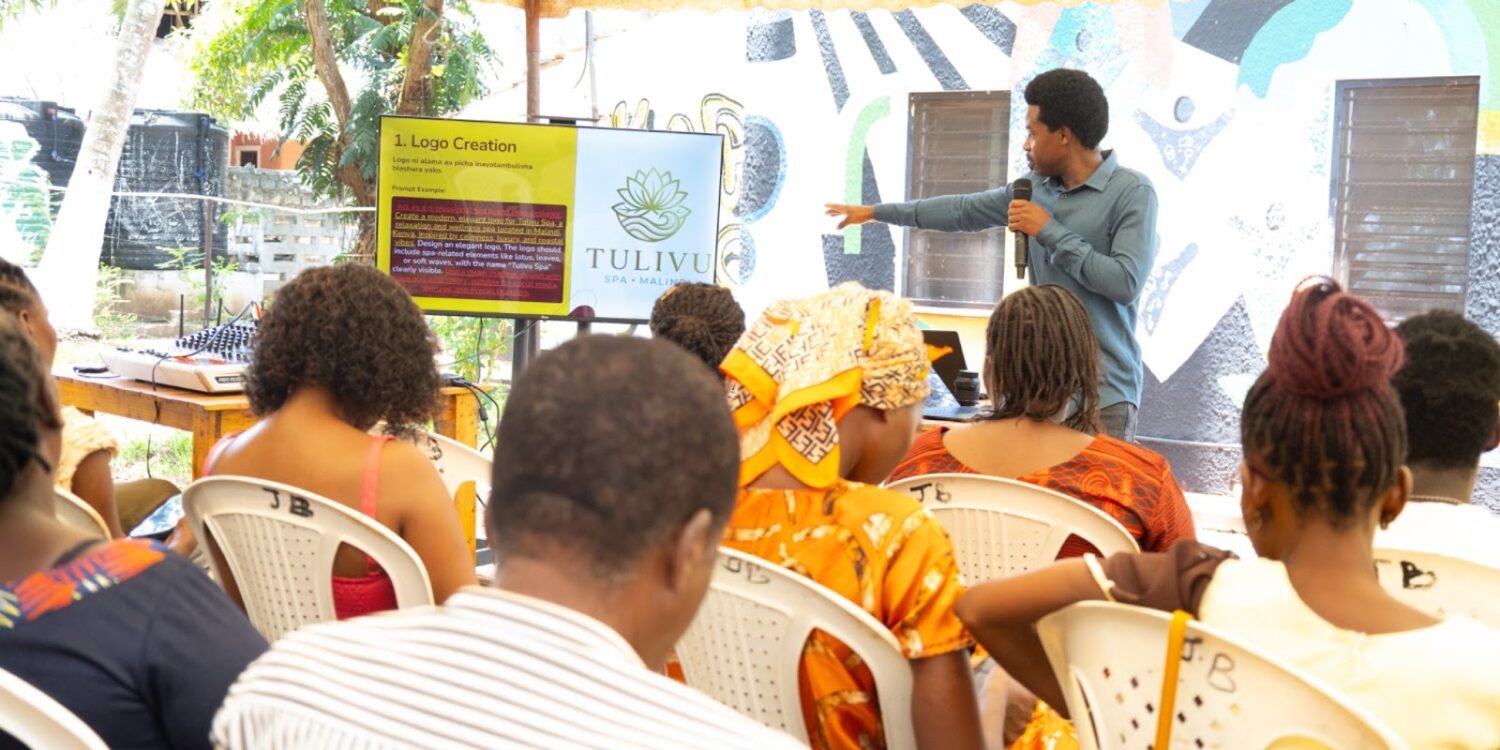
Artificial Intelligence is no longer a distant concept, it is already shaping how we work, learn, and make decisions every day. Yet for many communities, especially in underserved and remote areas, AI still feels out of reach. It is often seen as complex, technical, and disconnected from everyday realities.
So we asked ourselves a simple question: What if we brought AI to the grassroots , directly, practically, and kwa lugha ya mtaa? (local language) What if we created a space where people could learn through real examples, hands-on demos, and familiar language rather than heavy technical jargon? That question birthed AI Mtaani, and its impact exceeded everything we imagined.
What is AI Mtaani?
AI Mtaani is a community-driven programme focused on making artificial intelligence practical, accessible, and relevant to everyday life. Rather than approaching AI as a complex or technical concept, the programme creates hands-on, real-life learning experiences that enable people to use AI in ways that directly impact their work, businesses, and decision-making. The programme is built on a simple belief: communities should not just experience the impact of AI, they should understand it, use it, and actively shape how it works for them.
The Problem We Are Solving
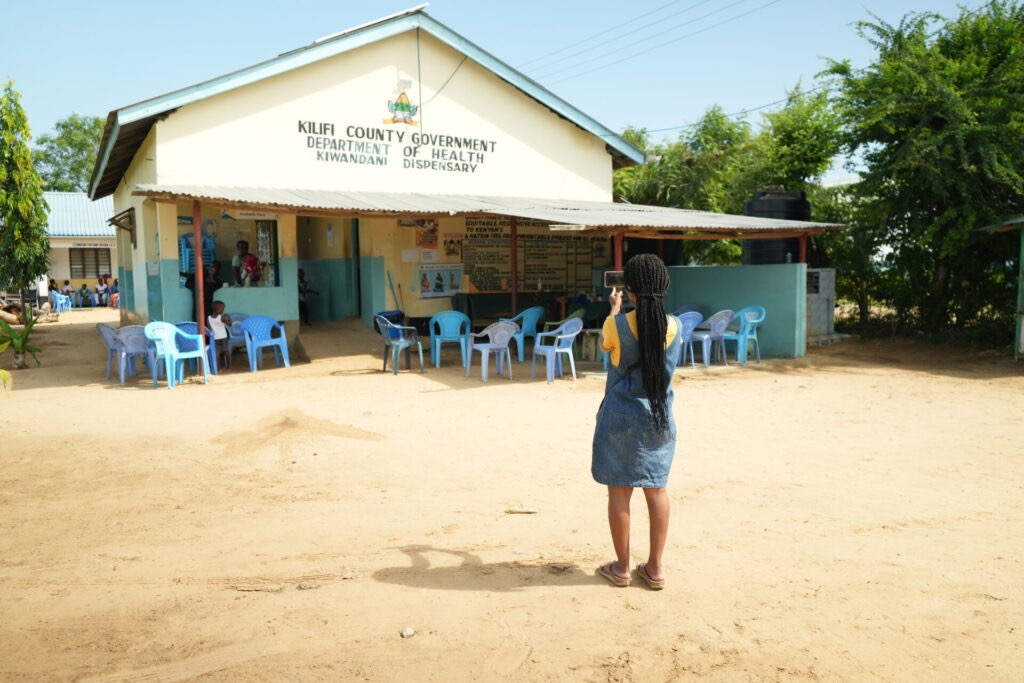
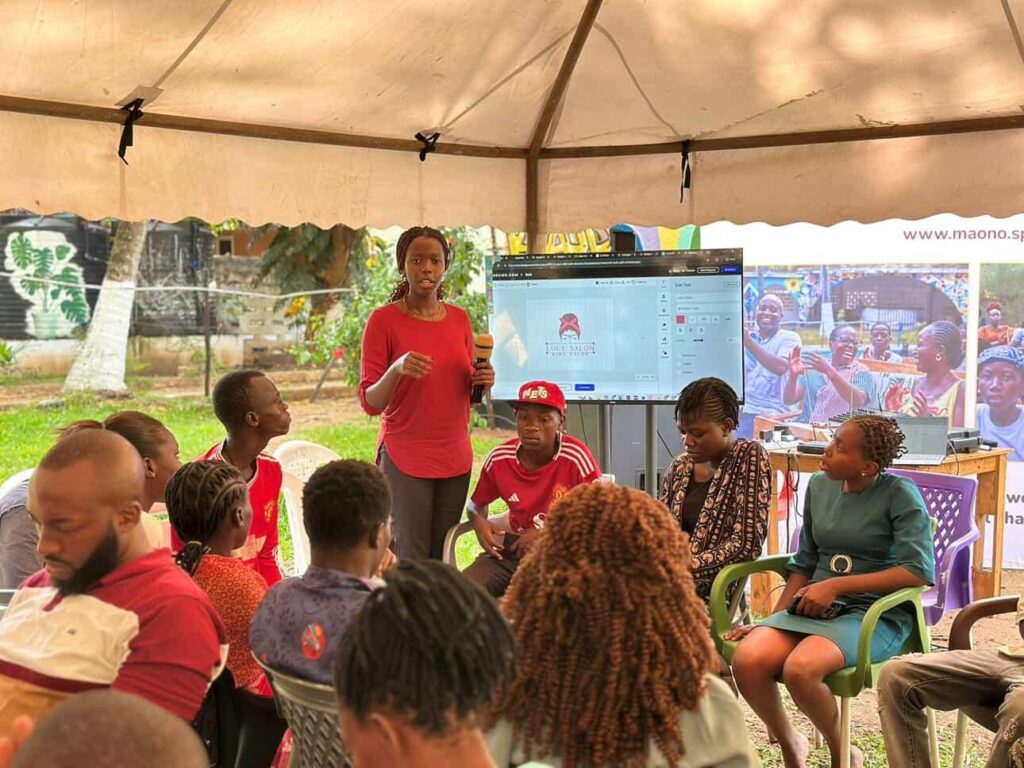
While AI adoption continues to grow globally, many people still lack practical exposure to how it works and how it can benefit them. In places like Kilifi County, the challenge is not just access to technology. What is often missing is the opportunity to interact with AI in ways that are grounded in everyday life. Without this, small business owners, teachers, and students risk being excluded from the opportunities that AI presents. AI Mtaani addresses this gap by focusing on real-world applications, ensuring that learning is both relevant and immediately useful.
AI Mtaani in Action
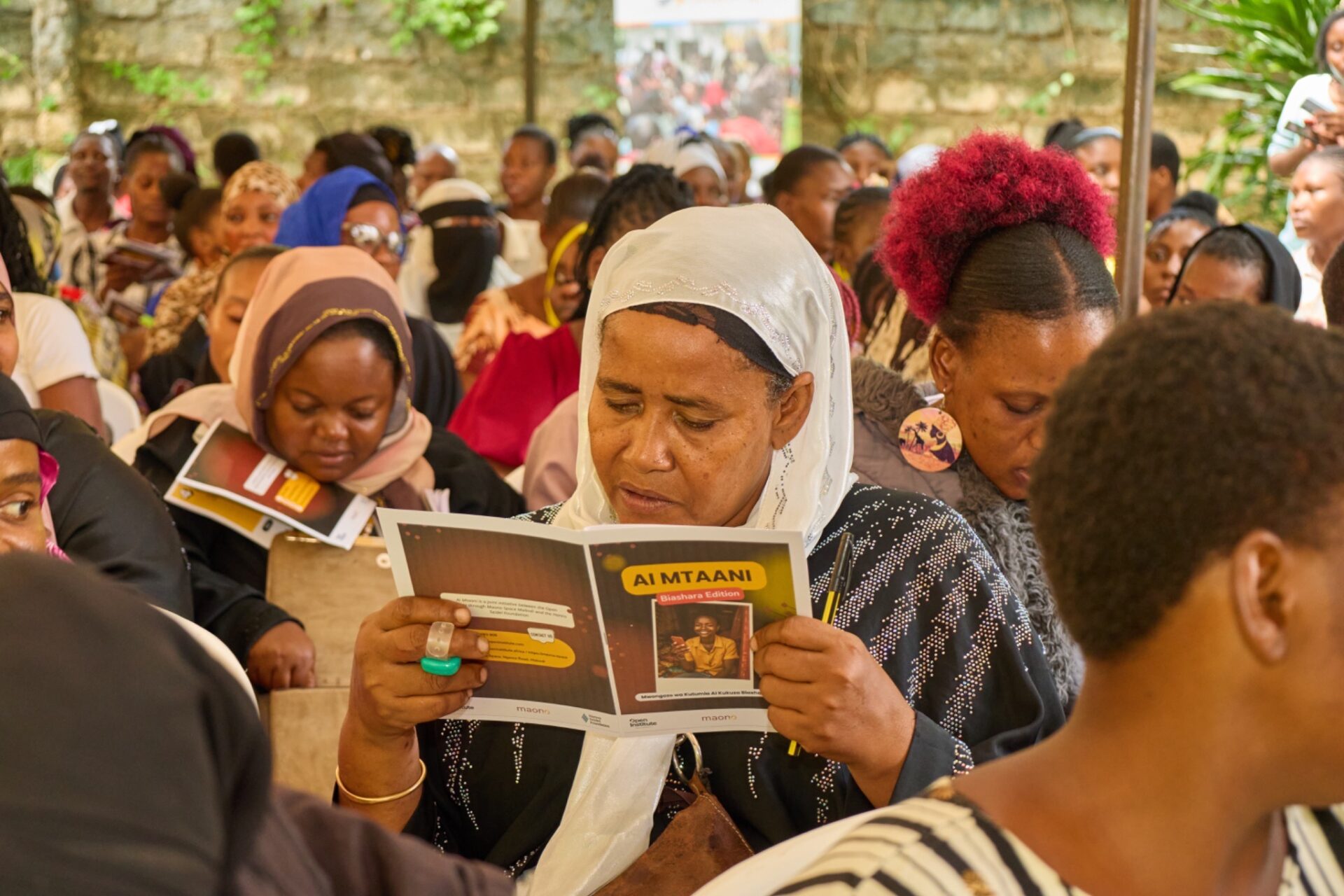
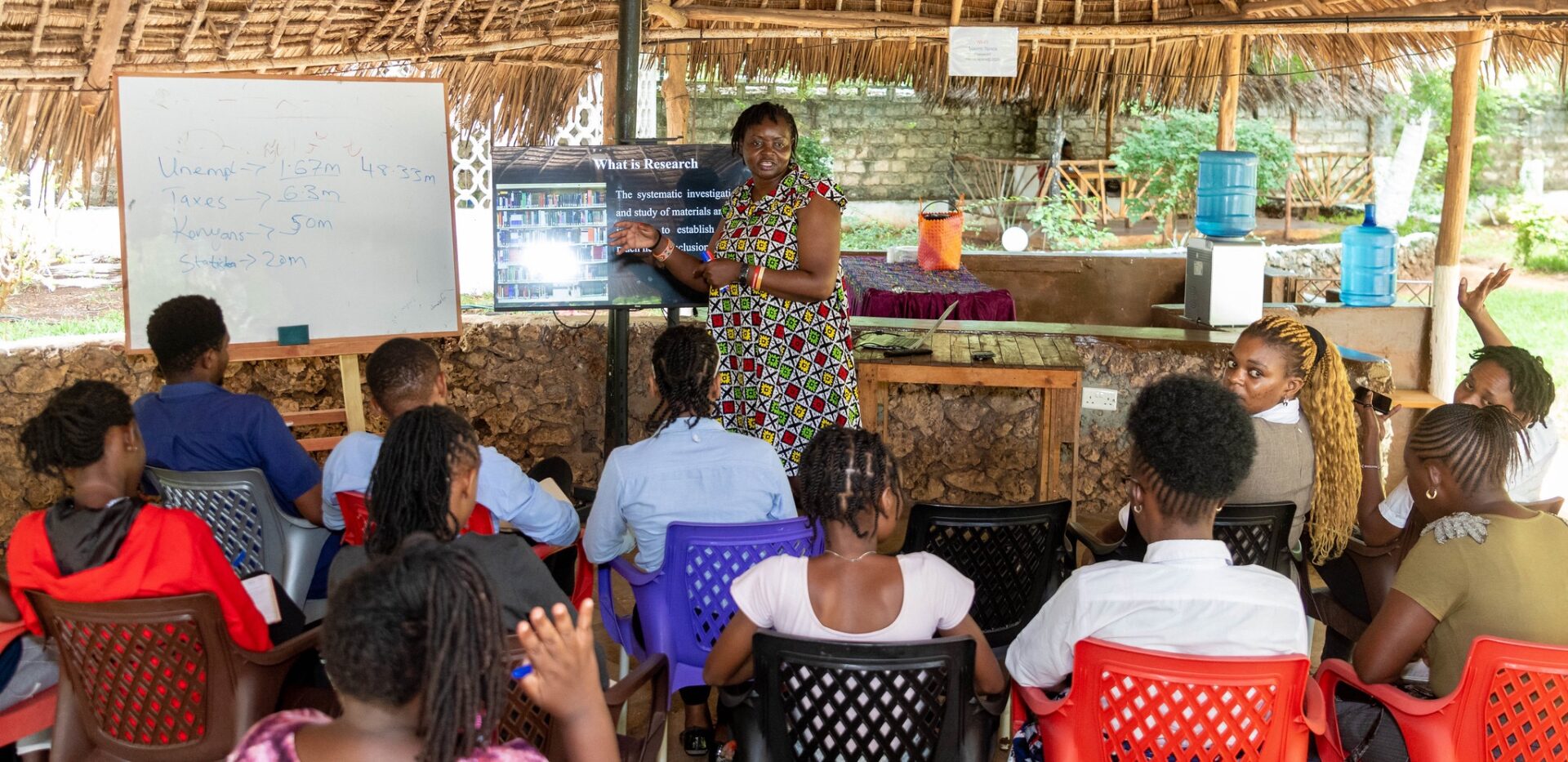
In March we hosted AI Mtaani Biashara Edition at Maono Space. The event brought together 129 small business owners and entrepreneurs from a wide range of sectors. Led by our team, Lucy Ameqwi and Dennis Mugambi, the sessions focused on practical AI applications that participants could easily integrate into their businesses. From designing logos to managing accounts, attendees explored simple yet powerful ways to use AI to improve efficiency, enhance creativity, and unlock new income opportunities. The goal was not just to introduce AI, but to show that it is not reserved for experts, and is accessible to anyone willing to learn.
The Biashara Edition built on the foundation laid in November, when AI Mtaani was first launched through a two-day introductory event. That initial training reached 153 participants and focused on foundational AI concepts, responsible use, and hands-on demonstrations. The response was overwhelmingly positive, with participants reporting increased confidence in their ability to engage with AI tools. This early momentum has continued to grow, with each engagement reinforcing the programme’s relevance and impact.
Impact So Far
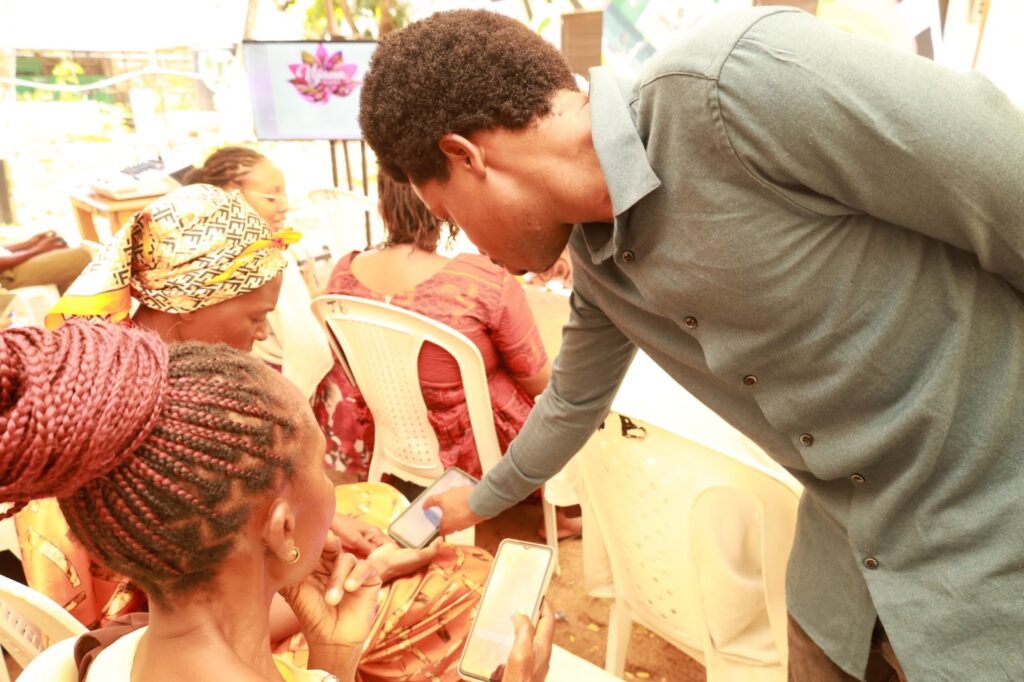
AI Mtaani has begun to shift how communities perceive and use artificial intelligence. Participants are gaining new skills and, at the same time, applying them in practical ways. They are running their businesses more efficiently, enhancing their work, or making more informed decisions. Beyond skill-building, the programme is fostering awareness around responsible and ethical AI use, ensuring that adoption is both informed and sustainable.
“This training really opened my eyes. I’ve discovered so many AI tools I can use, not just to write scripts, but even to create sound,” shared a local content creator from Kilifi.
Looking ahead
AI Mtaani is focused on scaling its reach and deepening its impact. The programme aims to engage 10,000 small business owners, 10,000 students, and 1,000 teachers across Kilifi County. Achieving this will involve expanding training sessions to more communities, strengthening partnerships, and creating ongoing support systems that enable continued learning and application of AI tools.
Ultimately, AI Mtaani is not just about technology; it is about inclusion. As AI continues to shape the future, the critical question is not how advanced it becomes, but who gets the opportunity to engage with it early enough to influence its use. By making AI practical, accessible, and grounded in everyday realities, AI Mtaani is ensuring that communities are not left behind but are instead equipped to participate, innovate, and thrive in an AI-driven world.