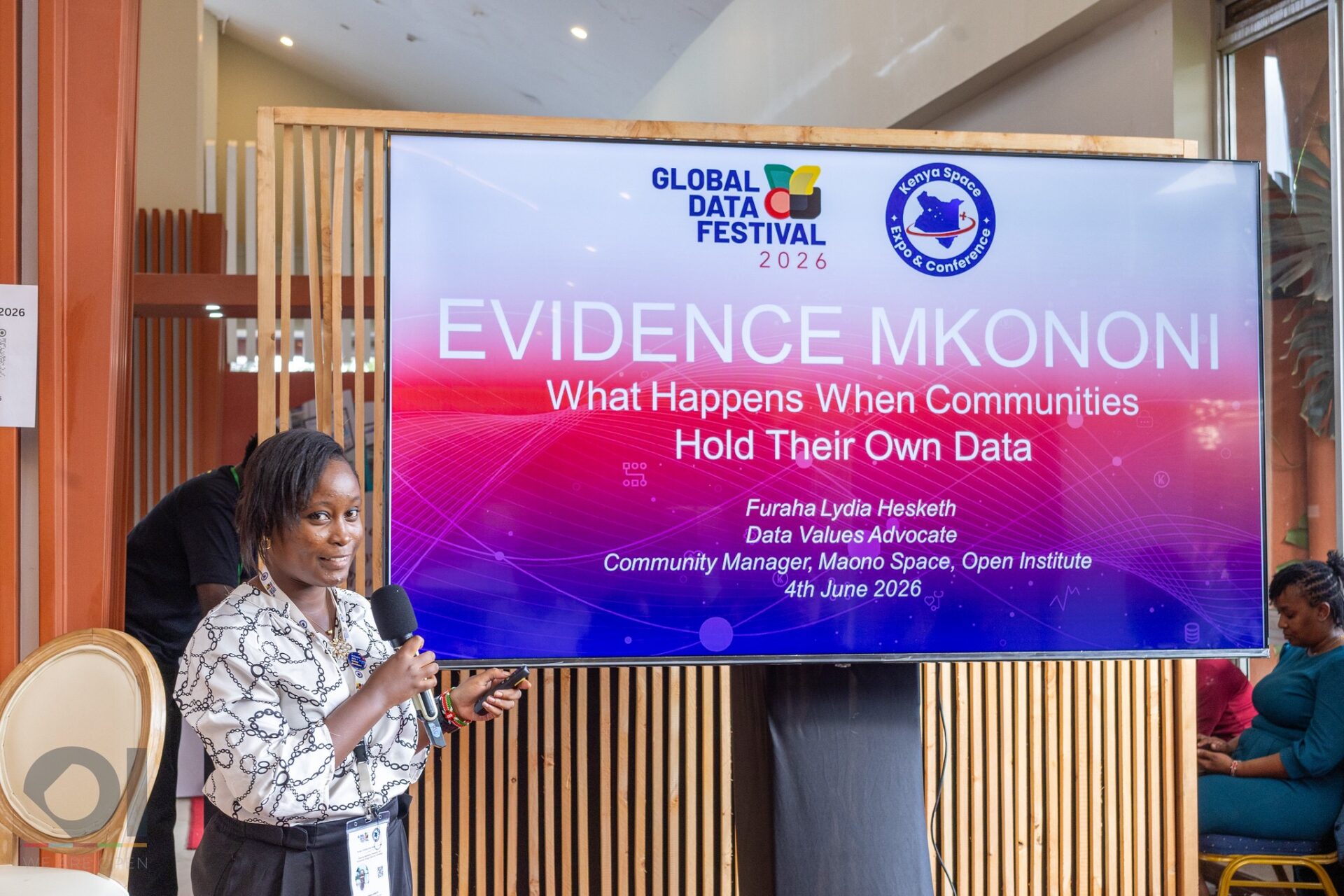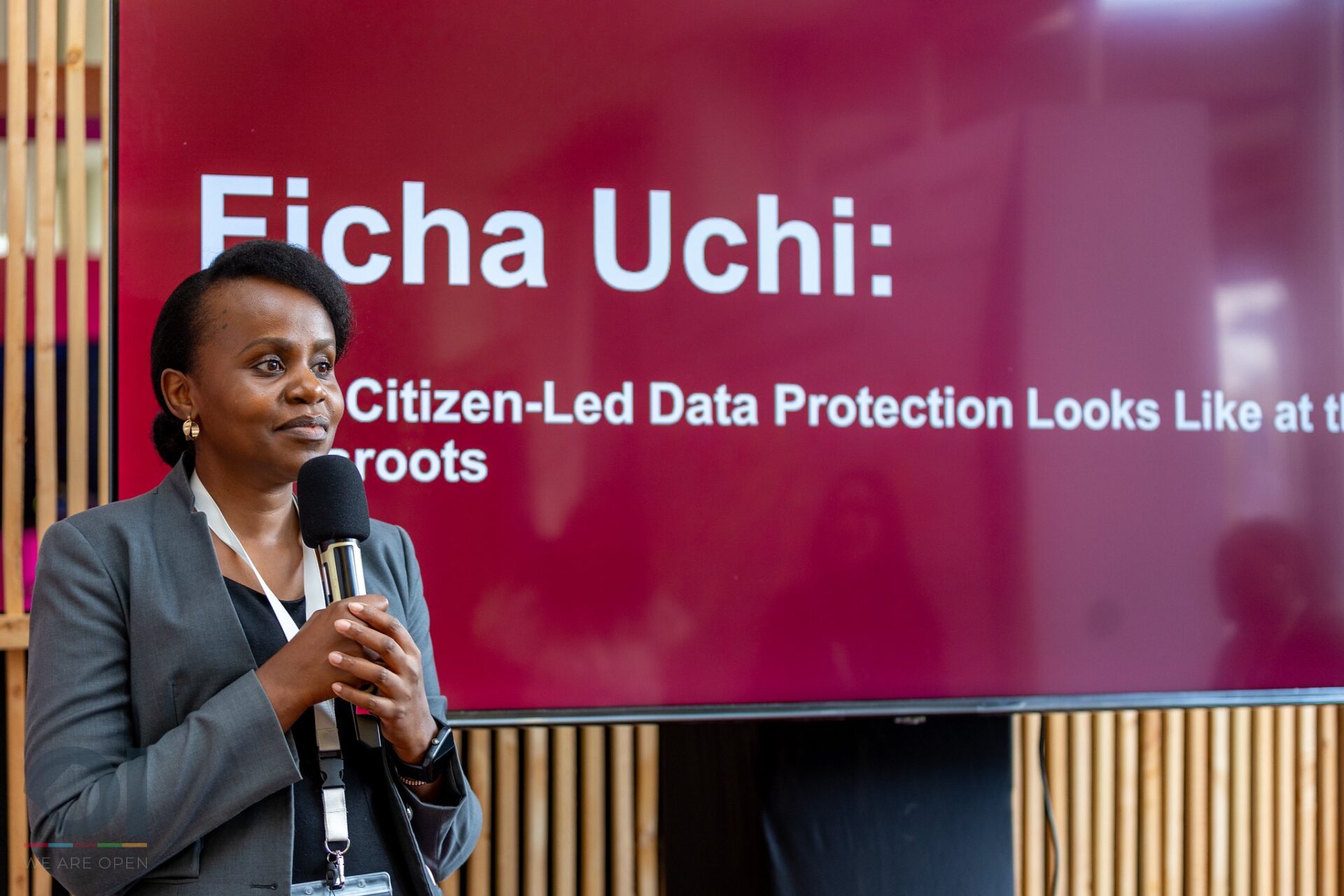
There is a quiet disconnect in development data that lies between where data is collected, who it serves, and whether it ever makes its way back to the communities that generated it in the first place.
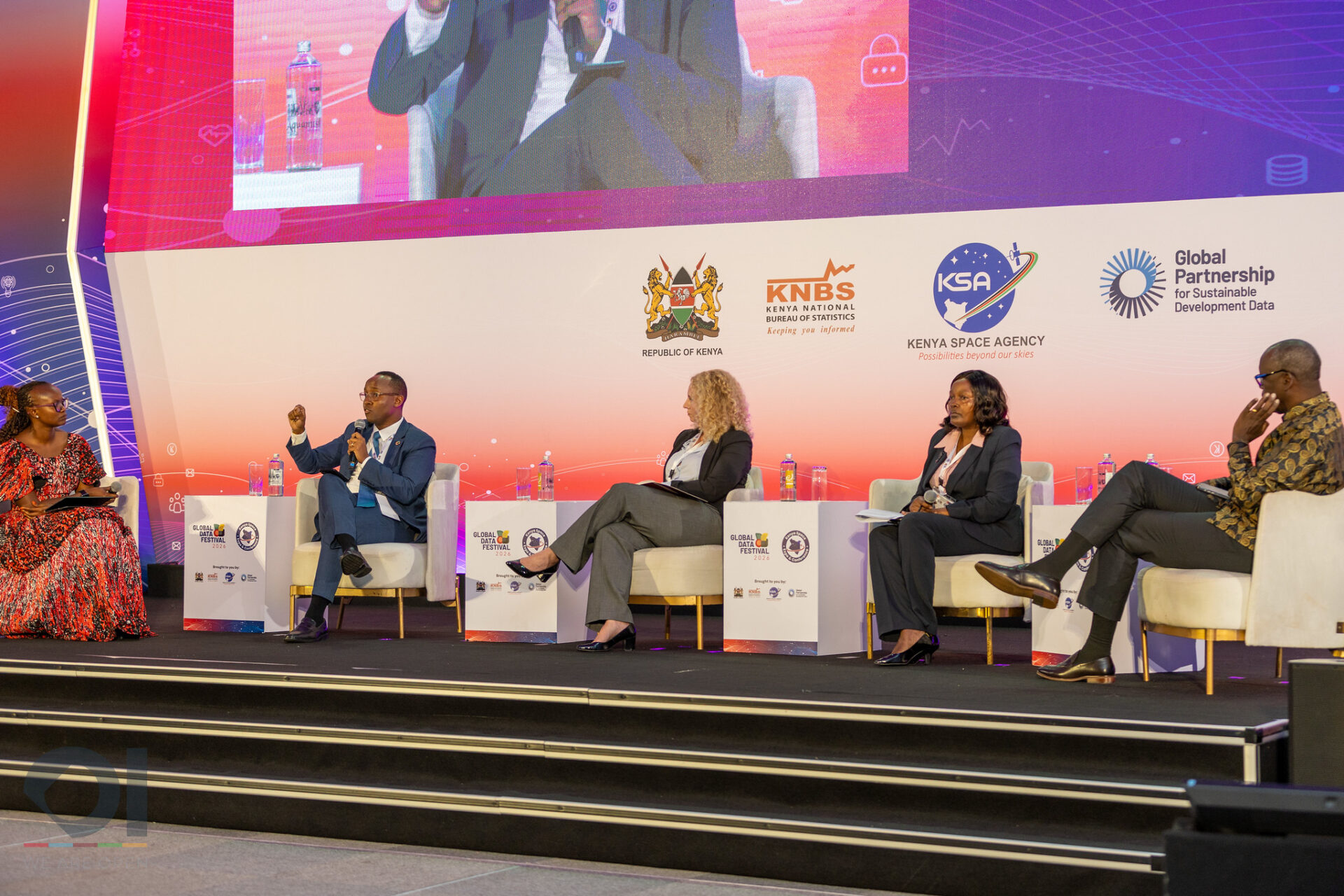
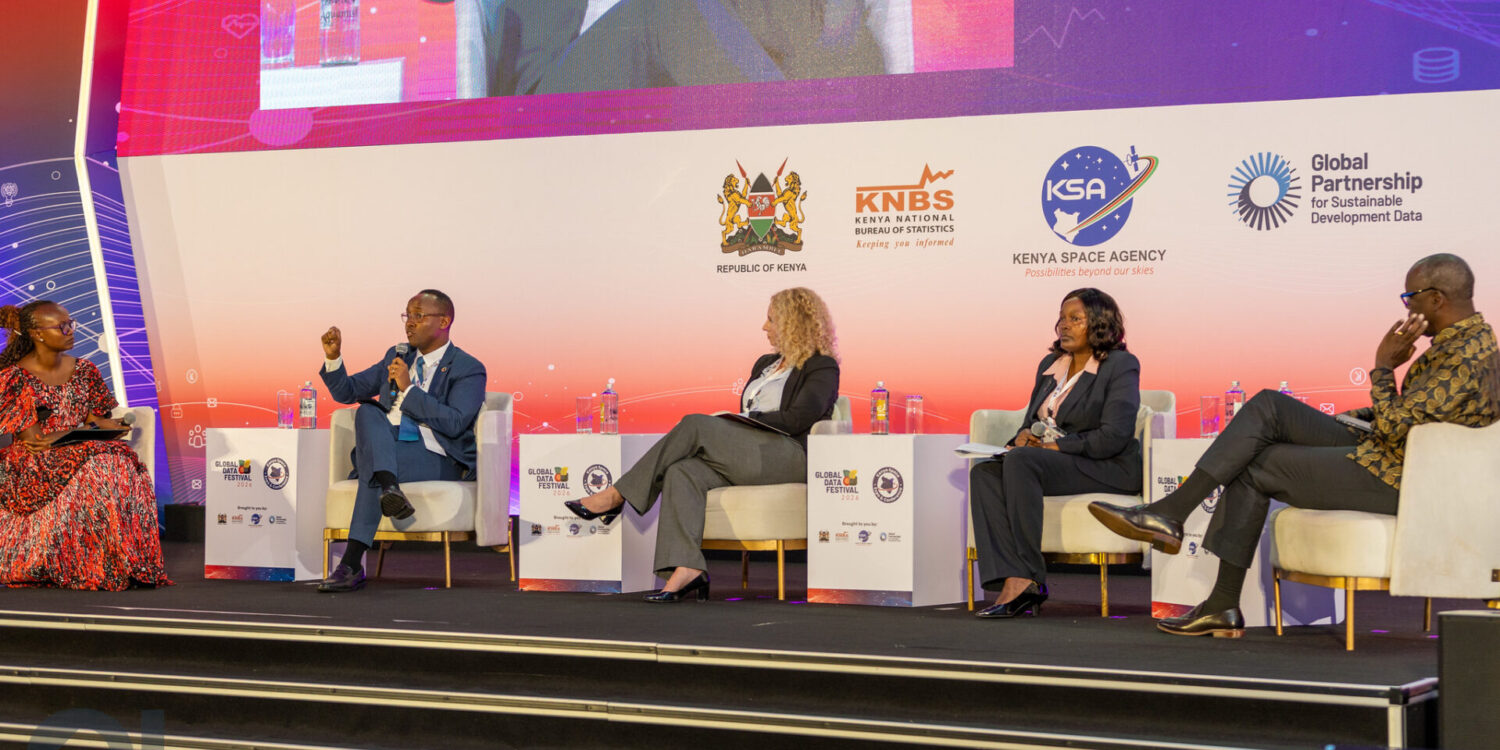
Across East Africa, that disconnect is starting to close. Civil society organisations, county governments, data journalists, and community members are forging a different kind of relationship with data, one rooted not in extraction, but in ownership, accountability, and shared purpose. Recent conversations at the Global Data Festival — and the ground-level experiences of practitioners working across the region — point to lessons that reach far beyond East Africa.
The Problem Isn’t the Data. It’s the Distance.
In most development contexts, data flows in one direction: upward. Communities are surveyed. Statistics are aggregated. Reports are published. Policies are made. And the people closest to the problems, who gave their time, their stories, and their trust, rarely see the results, let alone benefit from them.
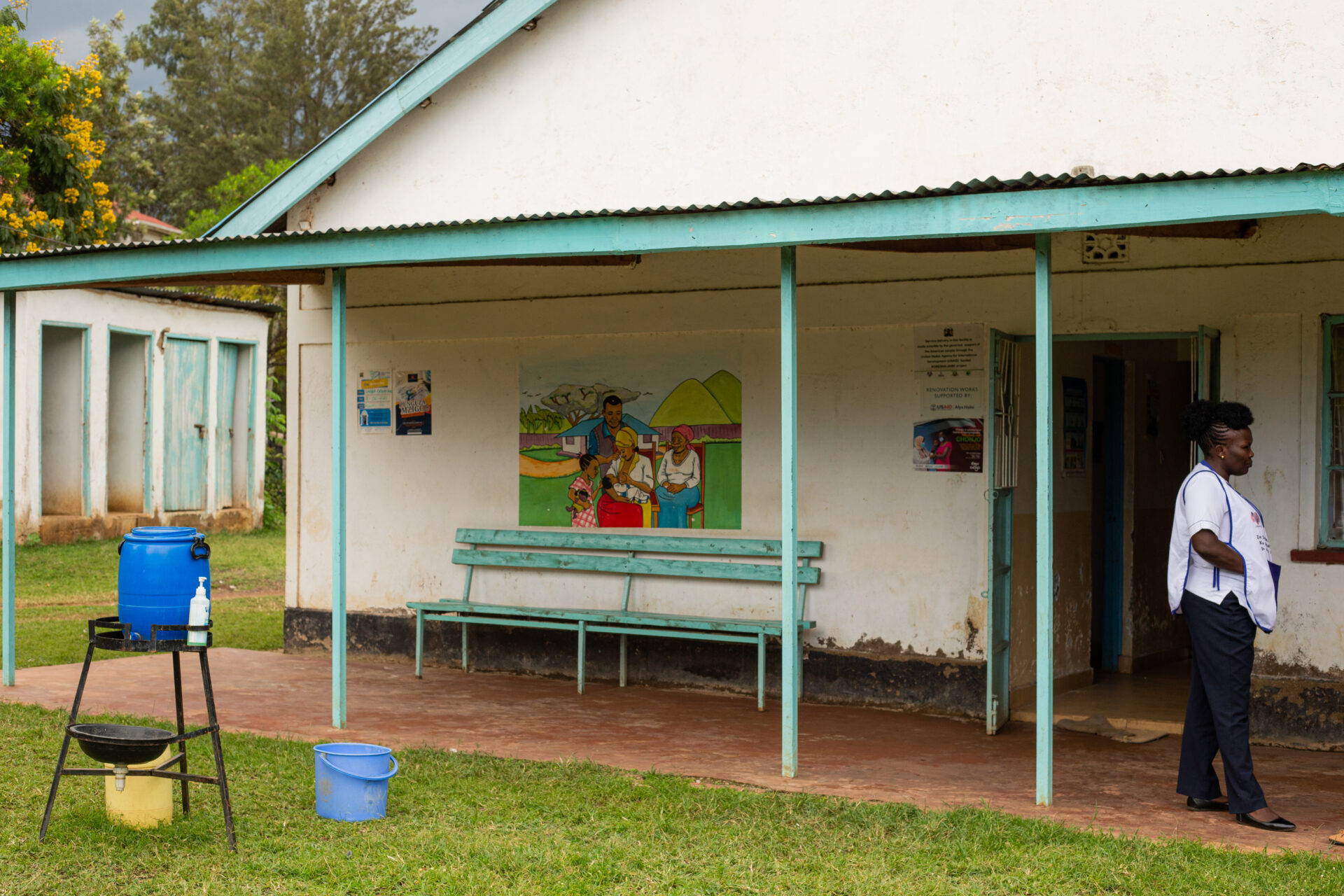
The consequences are tangible. Money gets spent in the wrong places. In Homa Bay County, analysis of the county statistics abstract revealed that malaria interventions had been concentrated in the wrong areas – mosquitoes spreading malaria have predominantly been in water bodies. This meant that interventions missed the highland areas, which data confirmed as high-prevalence zones, while resources flowed elsewhere based on historical information.
This is what happens when data informs decisions from a distance. The closer data is to the people it describes, the more useful and accountable it becomes. But proximity alone is not enough. The deeper shift is about who owns the data, and what they can do with it.
What Community-Owned Data Actually Looks Like
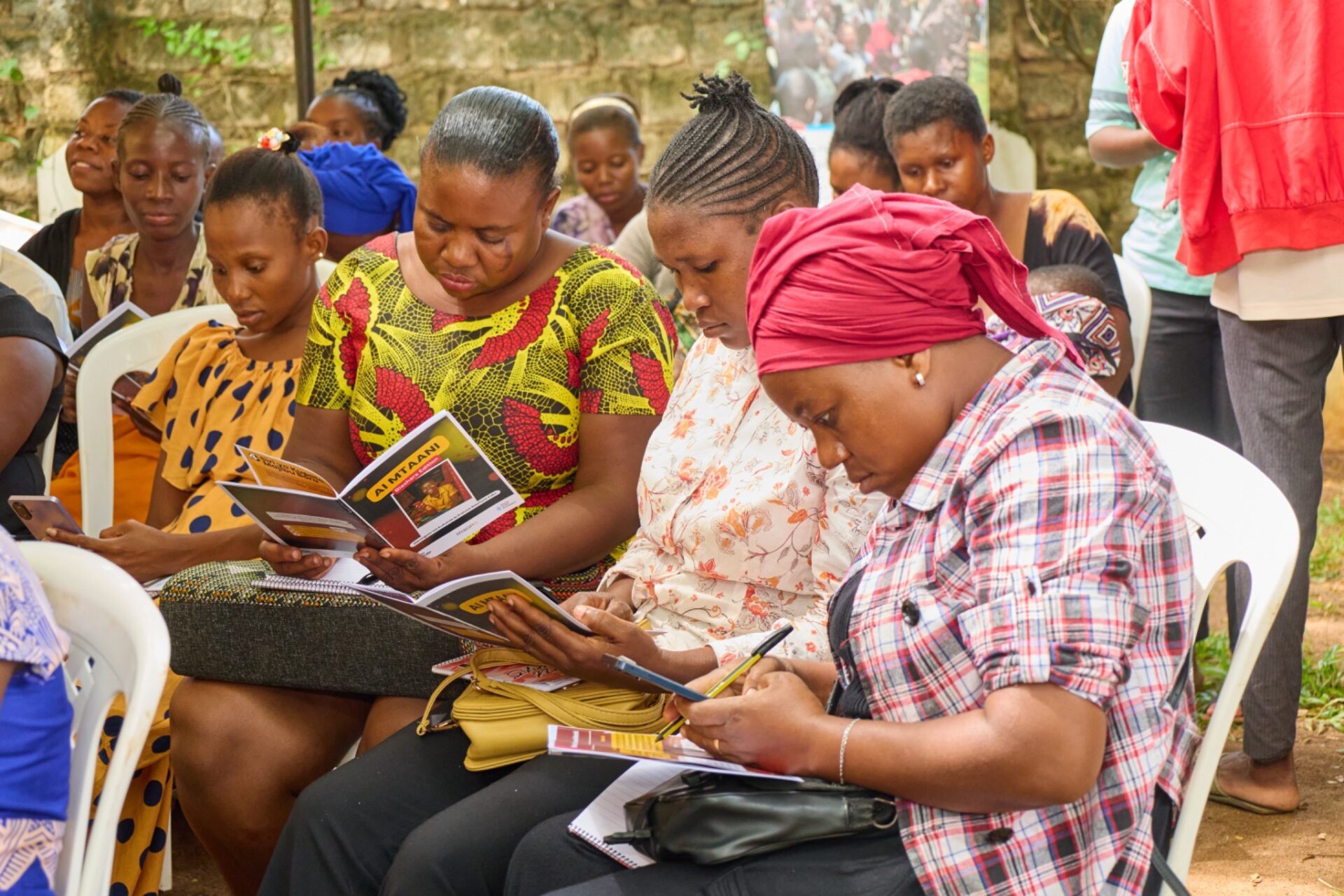
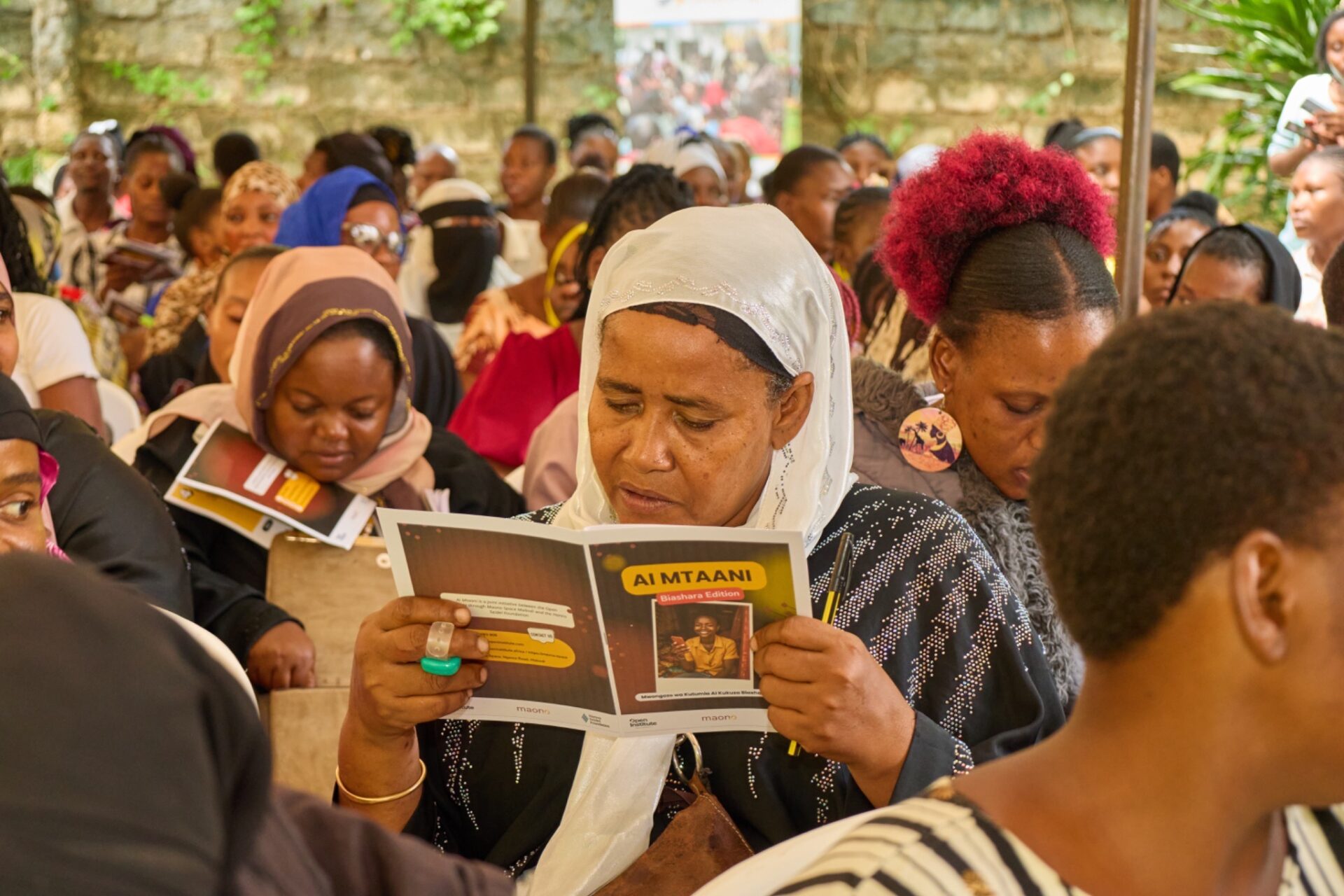
Ownership shows up in practice; in who designs the data collection tools, who gathers the information, who validates it, and who can challenge it.
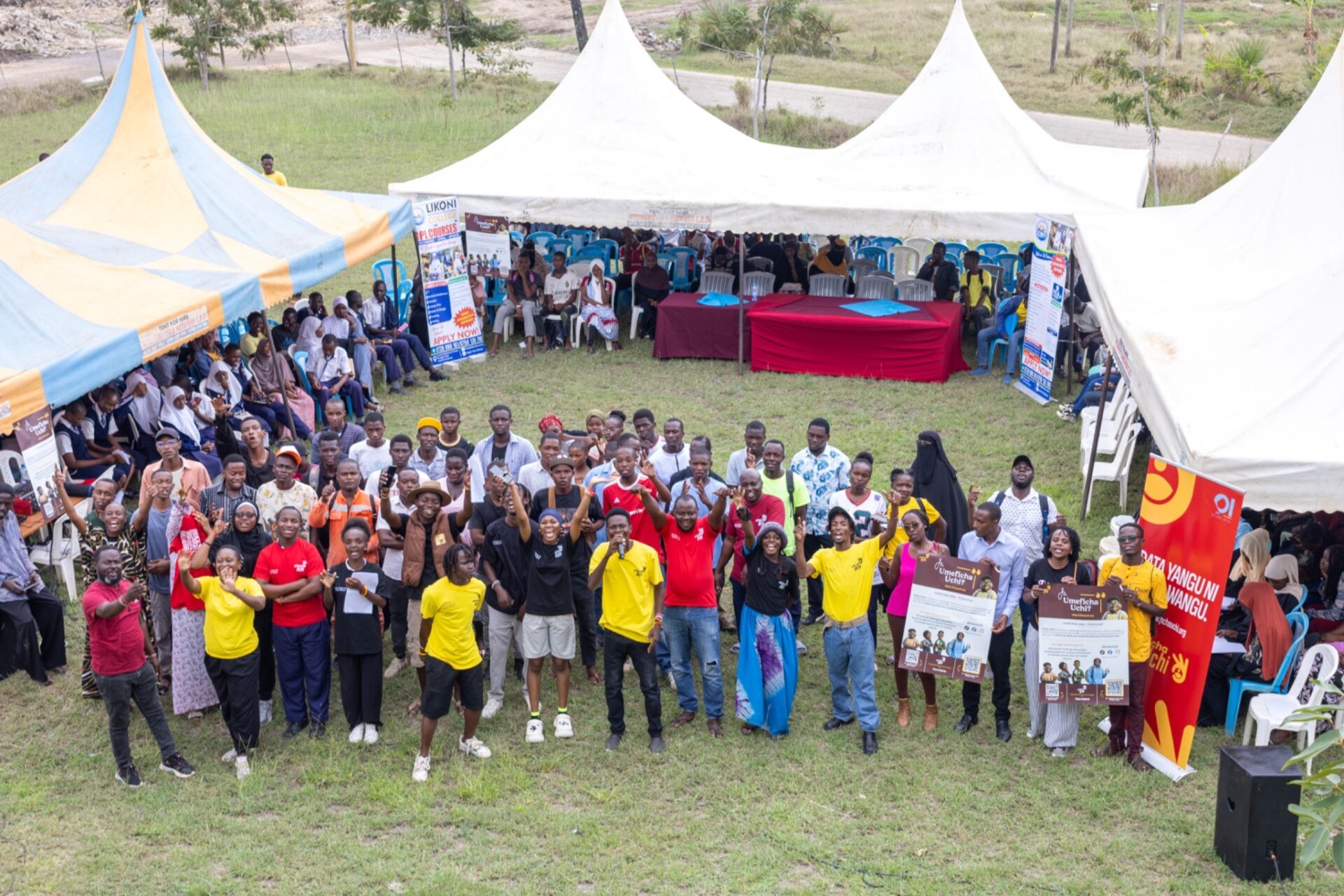
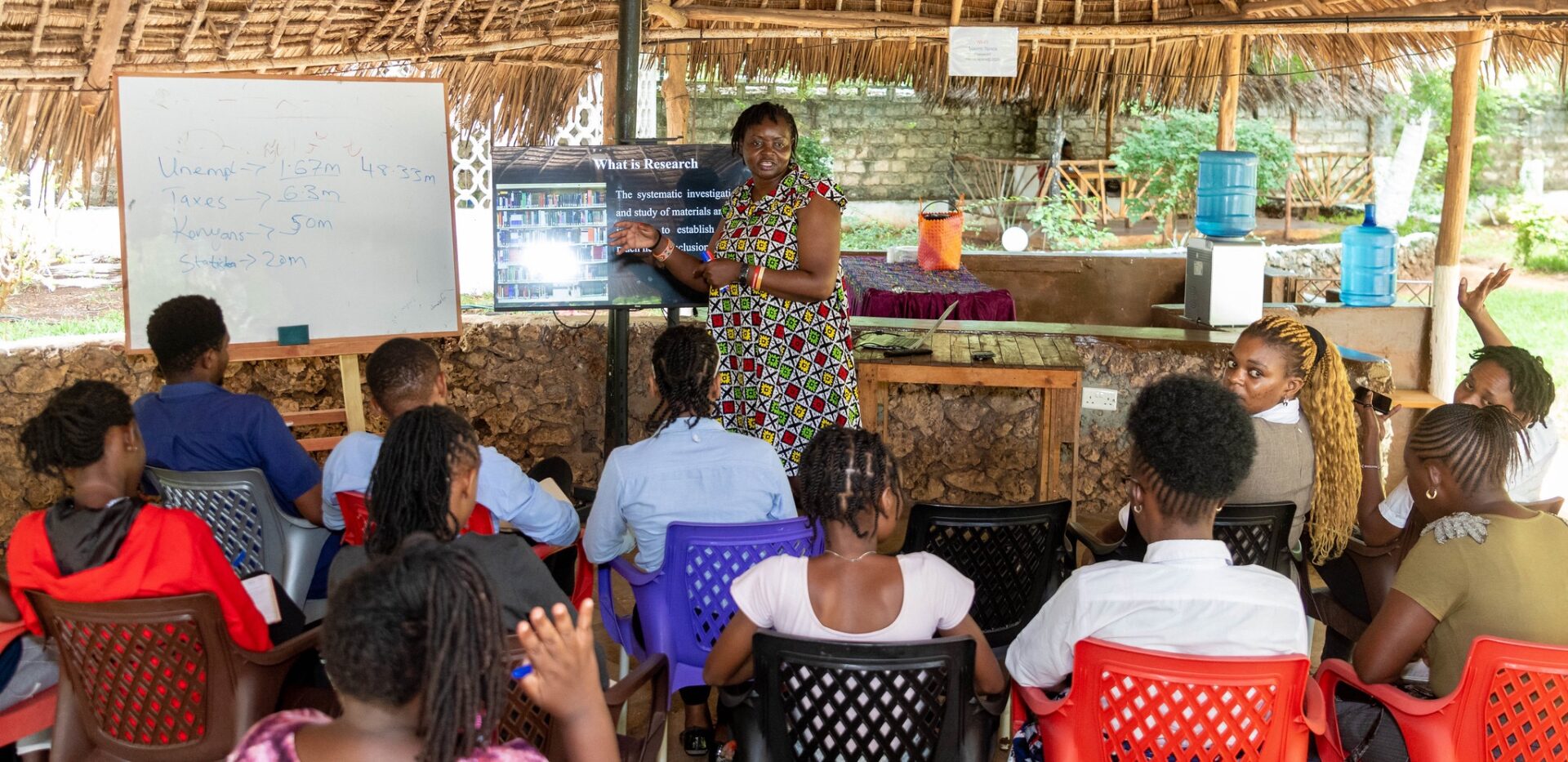
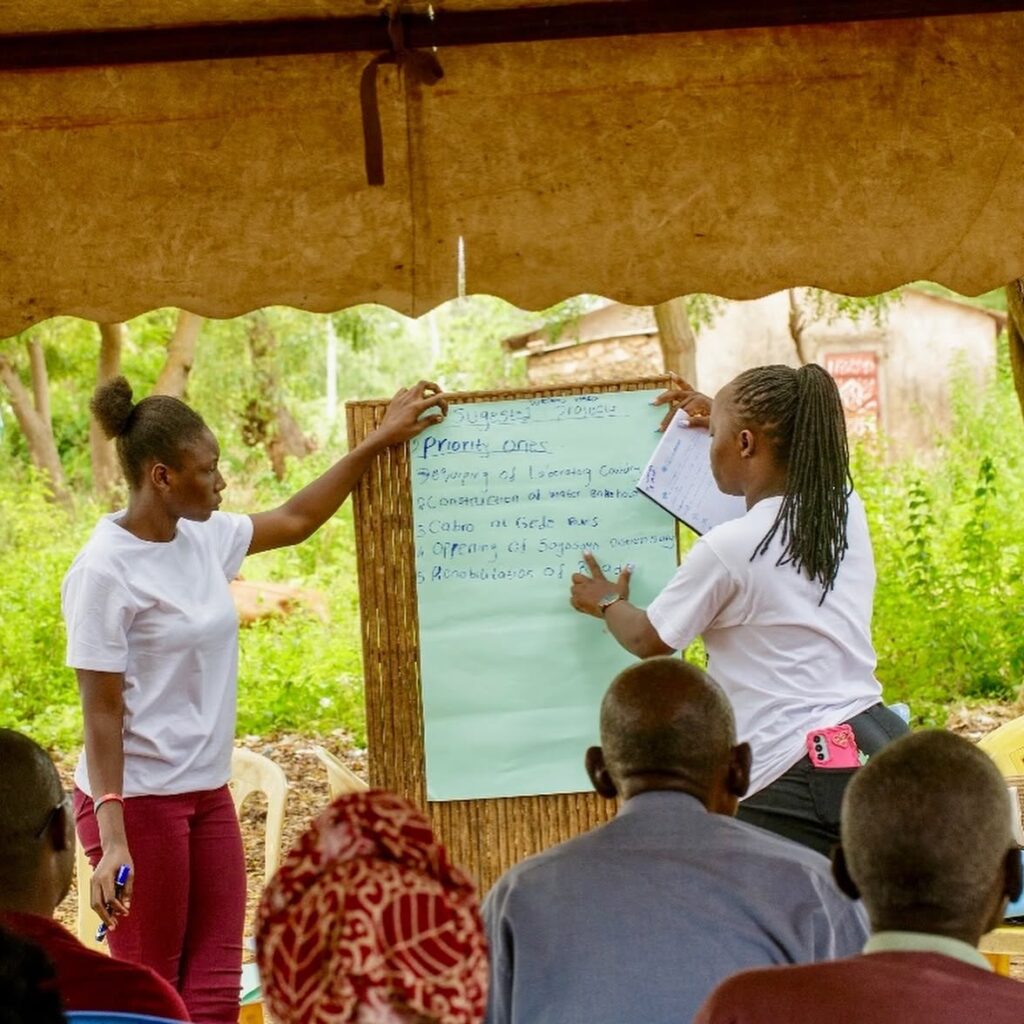
In Nandi County, young people are conducting community scorecard assessments using the Sabasi data collection and management tool. They are working as researchers, validators, and advocates.
In Tanzania, The Chanzo is translating complex government data such as budget allocations, GDP figures, and inflation trends into stories that ordinary citizens can understand and engage with. Data journalism becomes a bridge between official statistics and public accountability, enabling communities to ask: why are resources being allocated here and not there?
The principle running through both examples is the same. Data should not just be about communities. It should be for them, by them, and held by them. But for community-owned data to drive change beyond individual cases, it needs to connect with the broader systems through which decisions are made. That is where the statistics gap becomes critical.
Filling the Statistics Gap — Together
Official statistical systems are under-resourced relative to the demand placed on them. National and county statistics offices cannot collect granular, real-time, contextually rich data at the pace that decision-making increasingly requires. Civil society organisations are already filling that gap, conducting surveys, assessments, and community scorecards that are often more localised, timely, and community-validated than anything an official system could generate at comparable cost.
The challenge is that much of this data sits in silos: collected in different formats, using different methodologies, for different purposes. It doesn’t talk to official data. It doesn’t talk to other CSO data. Its potential to inform policy goes largely unrealised.
Kenya National Bureau of Statistics (KNBS) is working to change this through a Citizen-Generated Data (CGD) validation framework that establishes clear criteria around accuracy, methodology, and documentation. This has been done to create a pathway for CSO-collected data to be recognised and incorporated into official statistical processes. Crucially, the criteria are designed not to police data collection, but to build quality in ways that make CSO data comparable and usable alongside internationally recognised standards.
Platforms like the CSO Data Commons — developed through collaboration between the SDG Kenya Forum and the Open Institute — are creating the infrastructure for CSOs to share data. The goal is not just aggregation, but interoperability: datasets from different sources speaking to each other to produce insights none could generate alone.
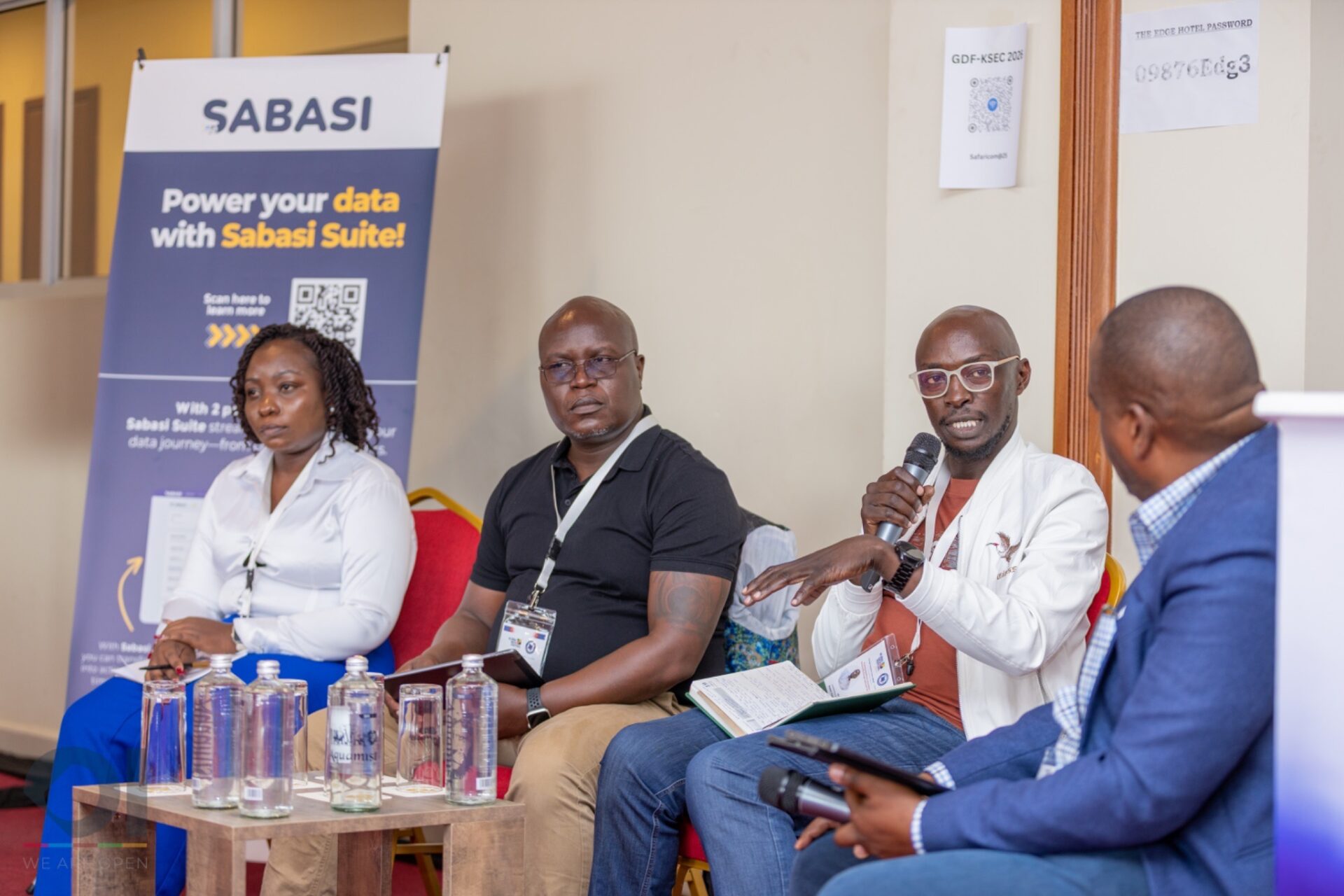
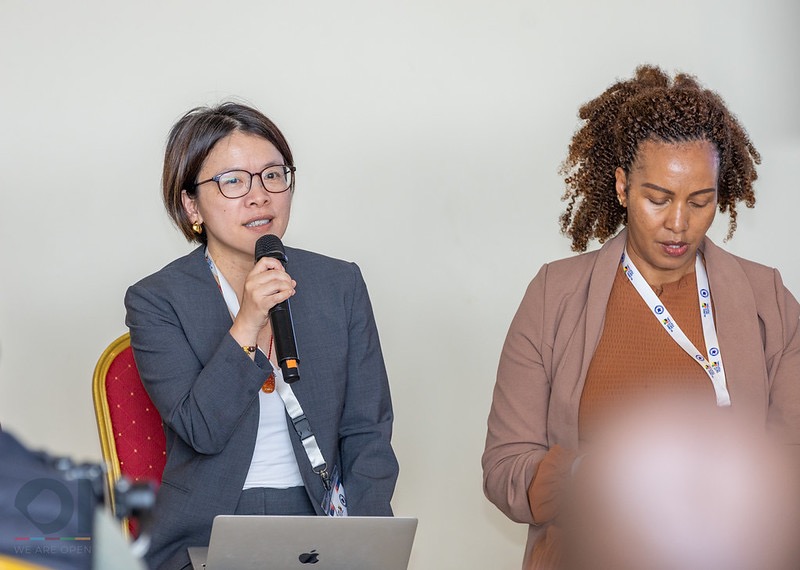
As Haoyi Chen from the UN Statistics Division put it during a discussion at the Global Data Festival: citizen-generated data is ultimately about recognising the voiceless and amplifying community needs. The statistics are a means to that end. But harnessing them requires something harder to build than any platform or framework — trust.
The Trust Question: Why Collaboration Is Hard, and Why It Matters Anyway
The case for collaboration between civil society and government is clear in principle. In practice, it is frequently undermined by a familiar dynamic: CSOs collect data independently, governments feel bypassed or contradicted, and the resulting tension erodes trust on both sides, leaving good data unused and good intentions wasted.
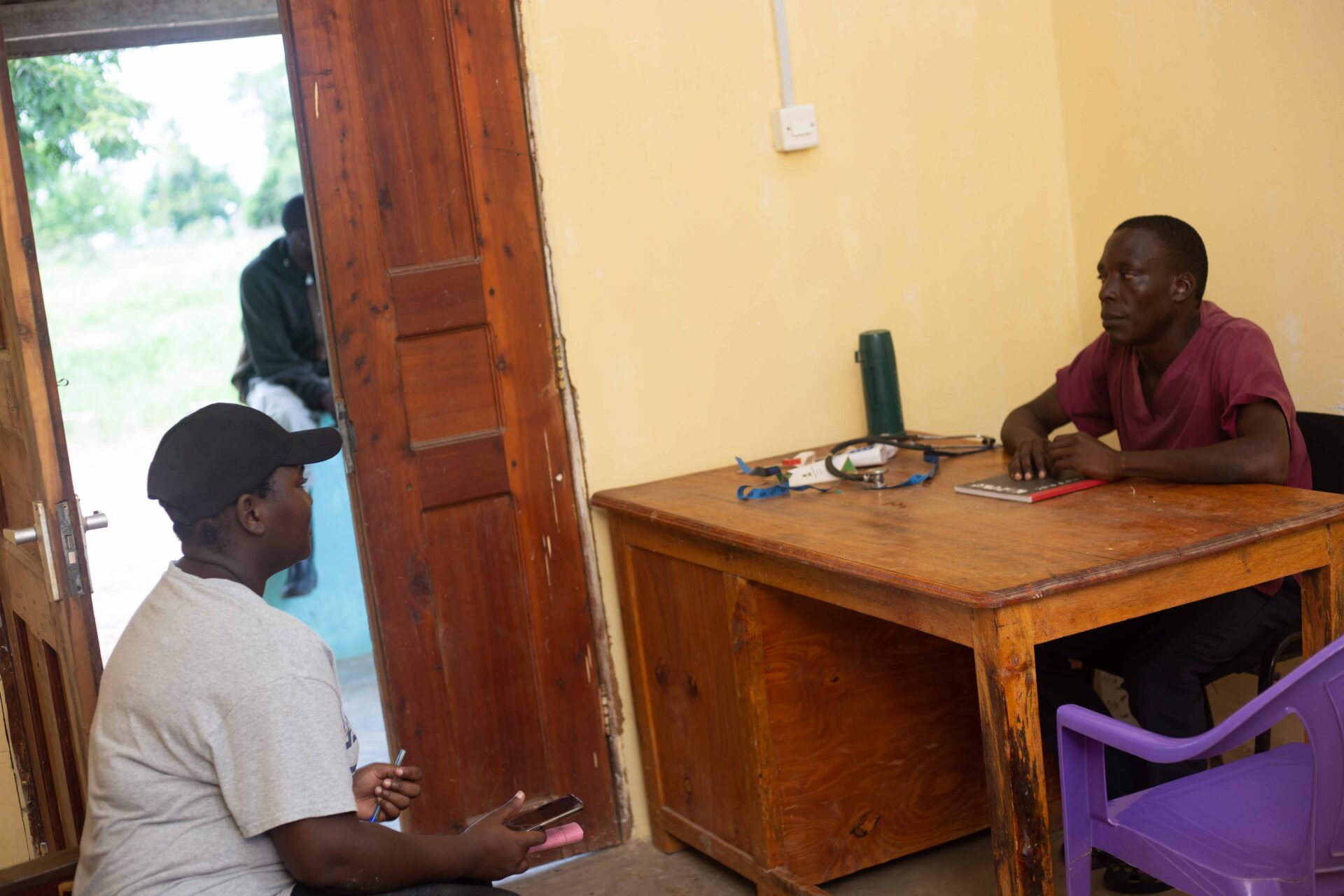
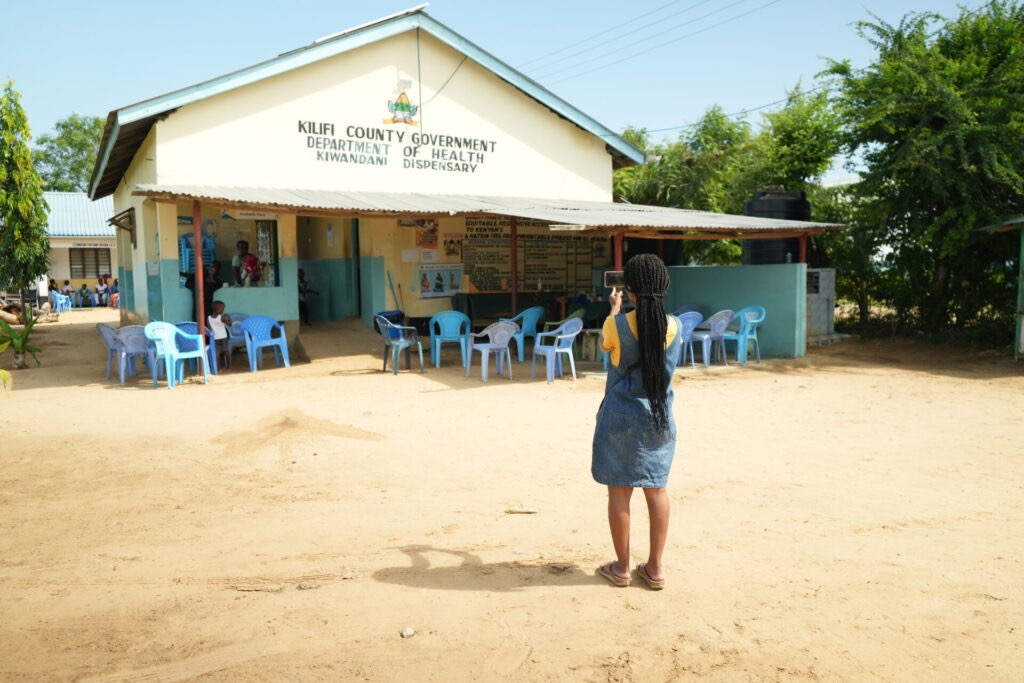
From Kilifi County, the experience is instructive. Where CSOs have worked in partnership, helping break down health data for community understanding, raising visibility on women’s health investments, and documenting community stories through robust reporting channels, the results have been meaningful. But where CSOs have worked in isolation, producing data that contradicts official figures without context or coordination, the result has been friction and missed opportunity. In one instance, a county’s refusal to share data openly led to media publishing erroneous figures — a failure that harmed both public understanding and government credibility.
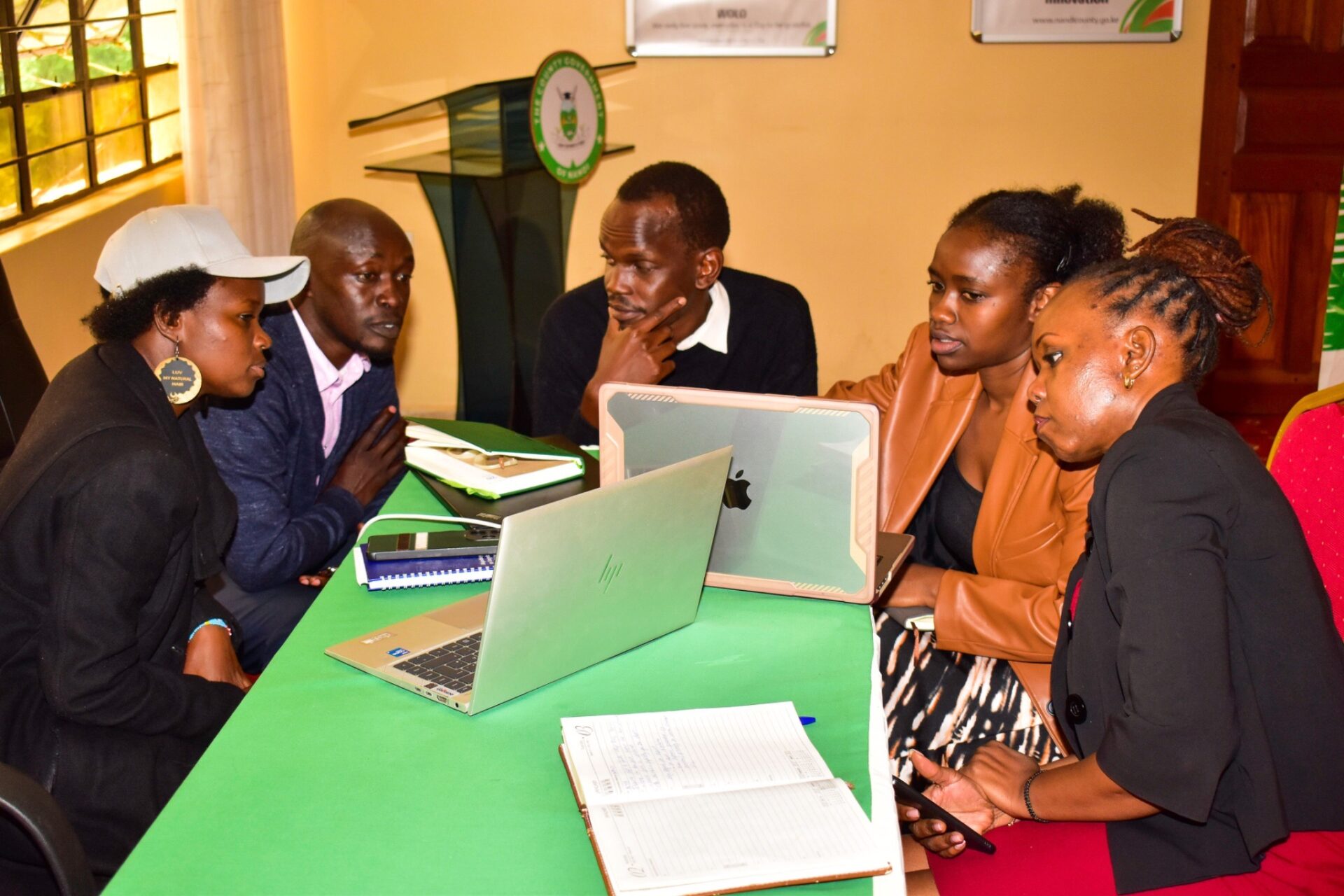
The lesson is not that CSOs should subordinate their independence to government. It is that the how of data collaboration matters as much as the what. Involving county governments in designing data collection methodologies changes the dynamic from confrontation to co-production.
The Open Institute’s work within Kenya’s CGD Technical Working Group reflects this logic. By contributing to the policy and methodological frameworks that govern how citizen data is validated and used, civil society can shape the rules of engagement from the inside, ensuring that inclusive data is not just collected, but institutionalised. When communities are represented in data, they are more likely to be represented in decisions. That outcome requires the government and civil society to treat each other not as adversaries, but as complementary actors in a shared accountability ecosystem.
What This Means Going Forward
Several principles are emerging from this work with relevance beyond the East African context:
Move from data collection to data ecosystems. The challenge is no longer gathering enough data. It is connecting fragmented datasets across institutions, sectors, and communities into coherent, trusted systems that can answer the questions decision-makers actually need to ask.
Co-design, not just consultation. Whether it is KNBS working with CSOs on data collection methodology, or county governments integrating community scorecard results into budget processes, the quality of collaboration depends on when and how communities are brought in — not just whether they are consulted at all.
Invest in the intermediaries. Data journalists, CSOs with analytical capacity, platforms like Sabasi that make data collection and visualisation accessible, among other solutions, act as the connective tissue between raw data and meaningful use. There needs to be more investment in important intermediaries that bridge these gaps.
Localise data governance. The ongoing Statistics Bill debate in Kenya, which would introduce county-level statistics offices, reflects a broader recognition that data governance cannot remain centralised if it is to be responsive to local realities. Ward-level data, as counties like Makueni have demonstrated, enables targeted decision-making that aggregate figures simply cannot support.
The future of development data is not more data. It is better-connected, better-governed, more community-accountable data — held by the people it describes, understood by those who generated it, and used in the decisions that shape their lives.
That future is being built, piece by piece, in Kilifi and Homa Bay, in Nandi and Nairobi, in Tanzania and beyond. The question for those working in data, governance, and development is whether we can build the systems, the trust, and the political will to make it scale.