Part 1 of an ongoing series following Ficha Uchi Phase 4
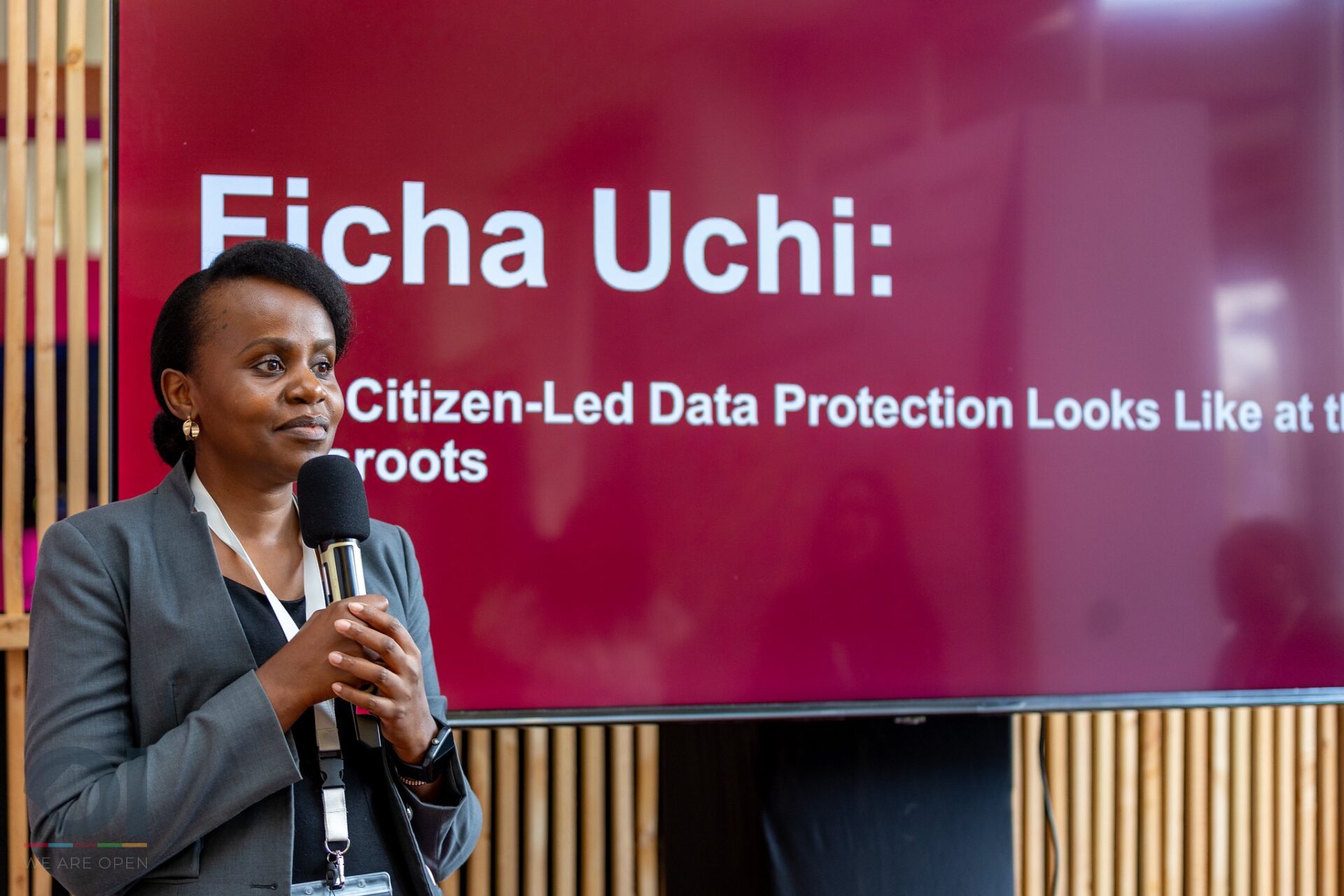
This is the first in a series of reflections following Ficha Uchi’s fourth phase, “From Awareness to Action.” This instalment starts with exploring two questions we asked before the campaign began, and what it told us about how we needed to engage citizens on data protection.
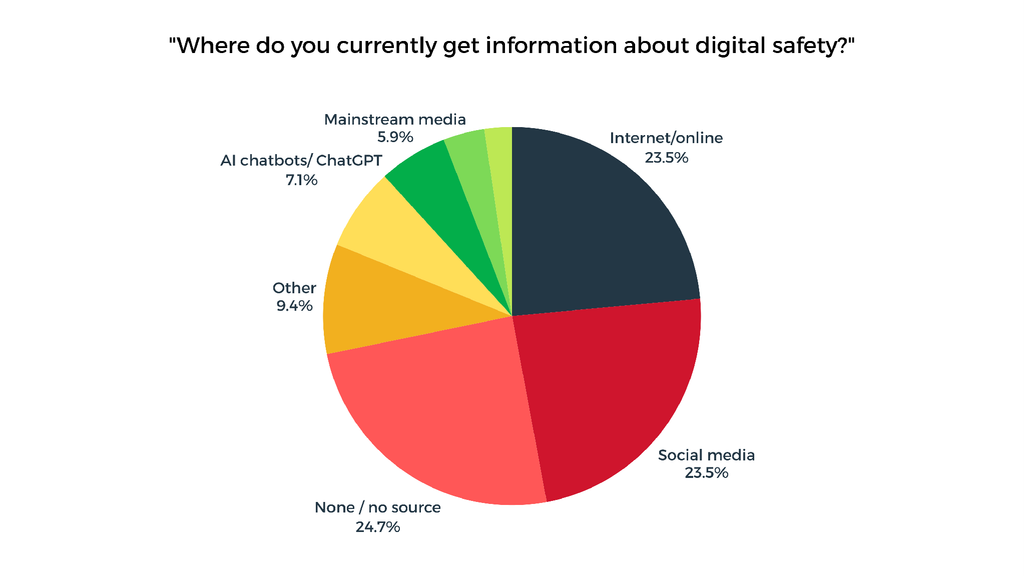
Before Ficha Uchi reached a single community in Kwale or Mombasa, we asked people online two simple questions: what rights do you have under the Data Protection Act, and where do you currently get information about staying safe digitally?
Asked to name a right, most people who answered reached for the big idea — “privacy,” “consent,” “no unauthorised use of my information.” Almost no one named something they could actually act on: the right to access their own data, to have it corrected, to be told what’s being collected and why. Then, when we asked where people currently turn for digital safety information, the picture fragmented into social media, general internet searches, and other sources, including AI chatbots, and a meaningful share who couldn’t point to anywhere at all.
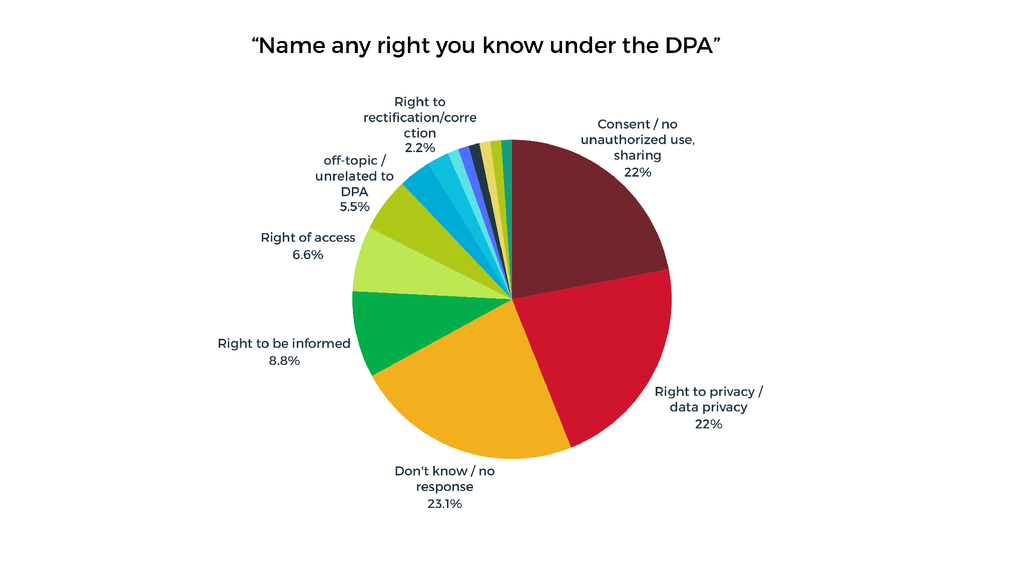
Read together, these two answers go beyond low awareness; people have absorbed the headline of data privacy. What hasn’t landed is the mechanics of it: the actual, usable rights, and a trusted place to learn or act on them. That distinction matters because our campaign needs to close the space between the idea and the action.
That’s the gap Ficha Uchi’s offline campaign was built to close.
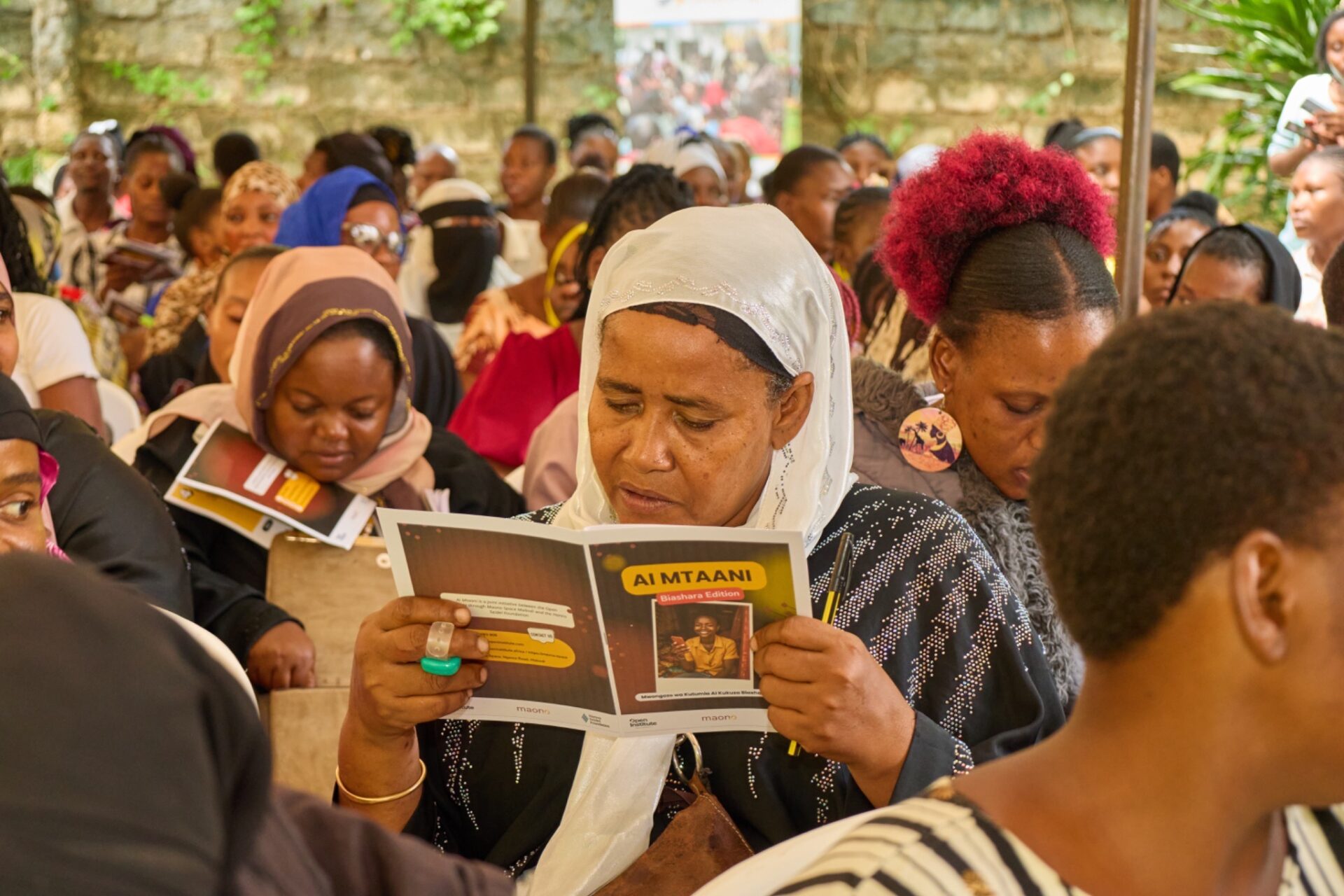
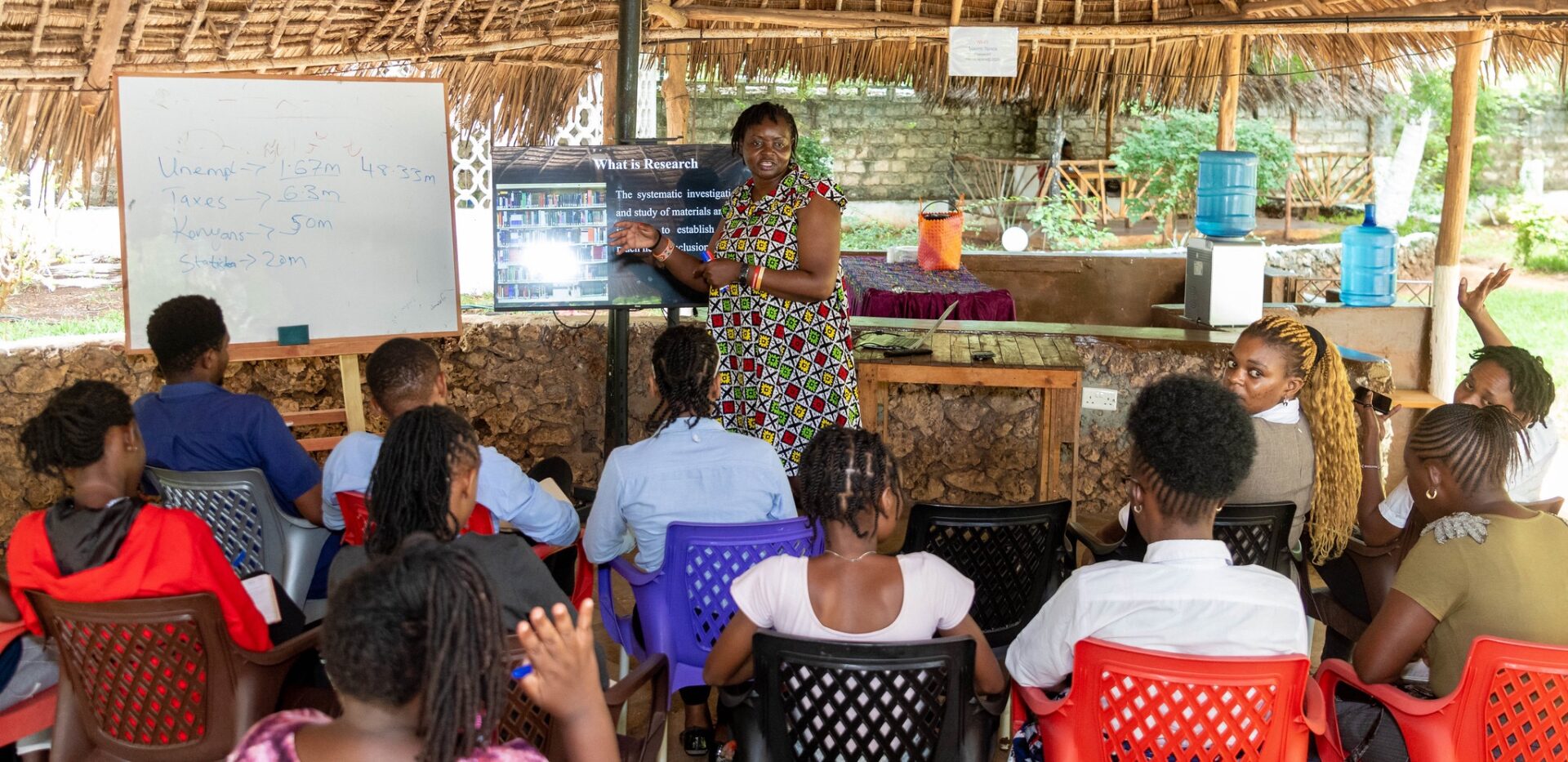
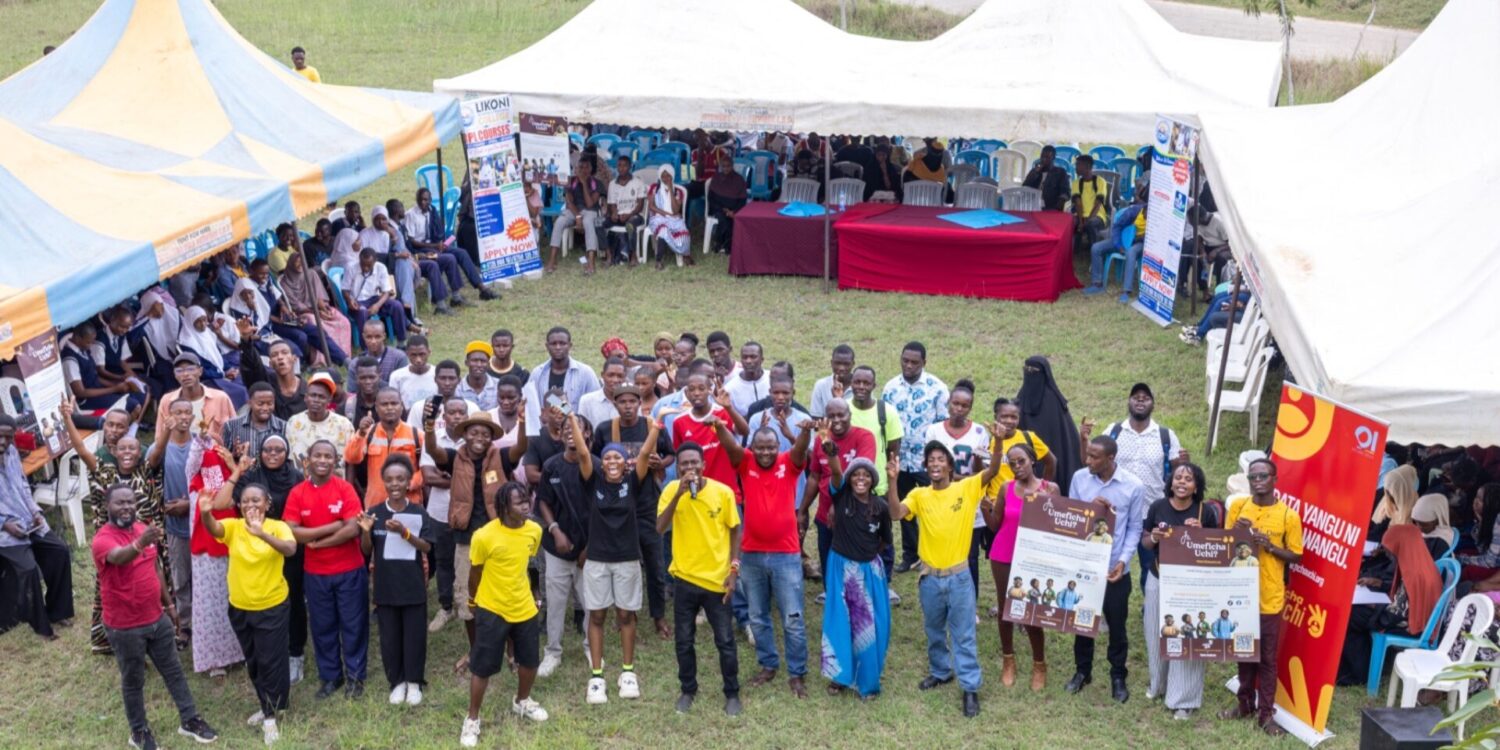
Over the past month, the campaign moved into Denyenye Migingo in Kwale, and into Likoni/Mtongwe TVET and Kisauni in Mombasa, reaching several hundred people through music, dance, drama and facilitated conversation rather than slides or pamphlets. Performances were paused at key moments, and audiences were asked to interpret what had just happened: who made the mistake, what should have happened differently, and what happens next. It’s a deliberate answer to the abstraction problem the online responses hinted at: instead of presenting “you have a right to correction,” the campaign put people inside a scenario where that right was the thing they needed.

It worked. At Kisauni, someone in the audience asked, unprompted, where they could actually report a concern about data misuse, the specific right question, showing up live. At Likoni, students moved from watching a skit to writing and performing their own; a Kiswahili shairi and a student-devised piece on data protection, taking a message the campaign brought in and making it theirs. In the community settings, conversations kept circling back to scams and to people being targeted after sharing a single piece of information. This same theme has surfaced in Ficha Uchi’s community research going back to 2023. That it keeps reappearing, across different counties and different years, suggests we’re looking at a pattern rather than a handful of isolated stories.
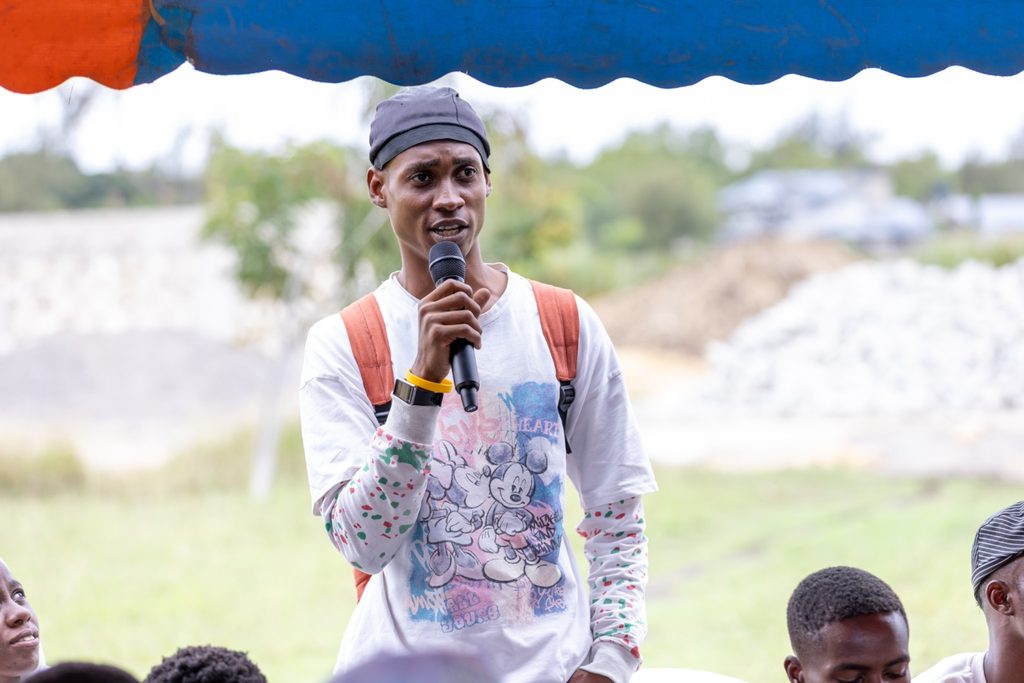
None of this means the gap is closed. If anything, trying to measure it offline surfaced a version of the same gap in a different shape. Surveys administered in English created real comprehension problems in community settings; some participants needed the questions explained aloud before they could complete them. Digital tools, such as a QR code survey that worked well where connectivity allowed, left those without data bundles reliant on printed forms and hotspot support. The campaign trying to document the gap ran, in miniature, into a version of the gap itself: access and language shape who gets to be counted, not just who gets the message.
That failure is one of the most useful findings so far, because it tells us where the next iteration needs to adapt: using Kiswahili survey tools, developing shorter community-friendly questionnaires, and offline alternatives built in from the start to meet community needs.
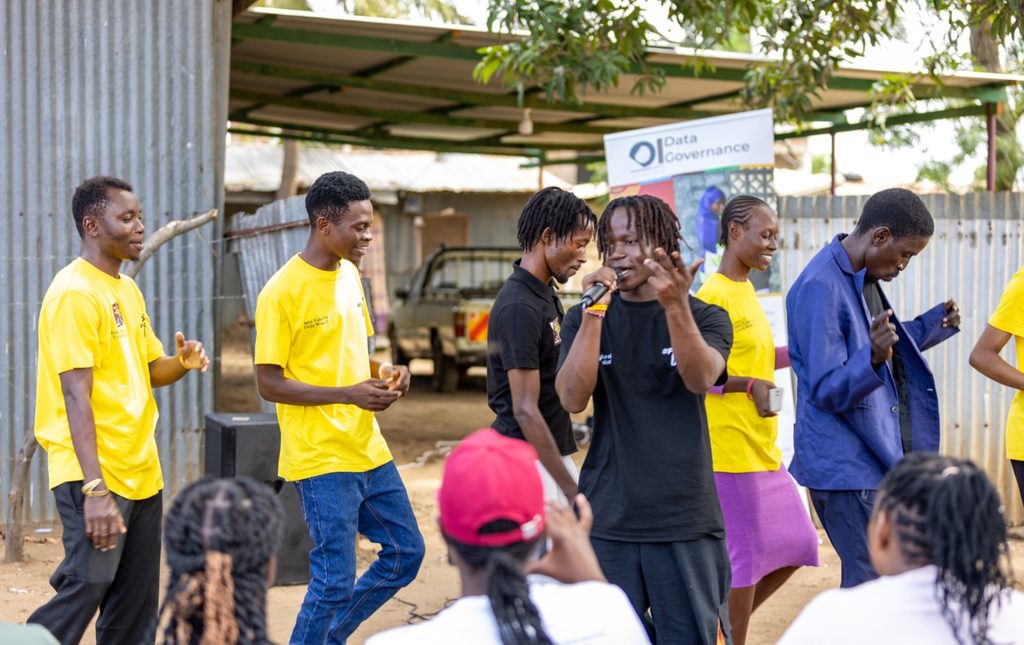
We don’t yet know whether the gap the baseline poll pointed to has meaningfully narrowed. An endline survey and an ongoing online split test are underway to help answer that, and later instalments in this series will report honestly on what they show, including if the answer is “not as much as we’d hoped.” For now, what we can say is this: an approach built on trust, presence and shared interpretation is a plausible response to a vacuum where a quarter of respondents have no source at all, and where the ones who do are relying on social media and general internet searches rather than anything designed to teach them their rights. Arts and community structures work precisely because they don’t ask someone to already trust an institution or a platform before they’ll listen. A sub-chief opening the floor, a fellow student performing a skit, a musician from down the road, these are entry points that don’t depend on the digital access or institutional trust the baseline numbers suggest many people don’t have.
What we’ve seen so far — the unprompted questions, the students who made the message their own — shows what the offline campaign is testing: that closing the distance between people and the message might close some of the distance between the idea of a right and the ability to use it.
Stay tuned for the next in this series
Find out more about the Ficha Uchi Campaign at https://fichauchi.org/
Follow the hashtag #FichaUchi for real-time updates about the campaign on Facebook, Instagram, & Tiktok