

Discover how citizen-generated evidence empowered communities, influenced government decision-making, and created a proven model for transparent, accountable governance that can scale across Kenya.
Development Projects
Mapped and verified county-wide
Wards Covered
Evidence collected across Kilifi
More Counties in Implementation
Scaling a proven governance model
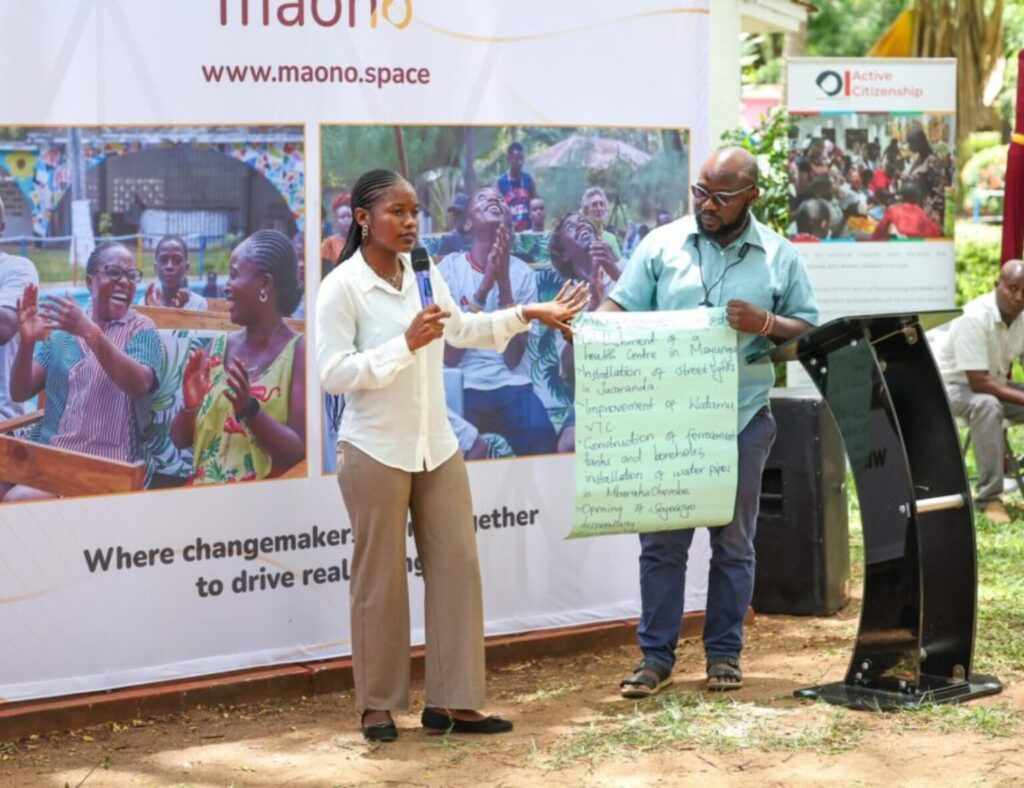
With his notes in hand, Governor Mung’aro went ward by ward, directly addressing the citizen priorities presented. For each stalled or incomplete project raised, he provided updates, context, and timelines where possible, while committing to see the projects completed.
Kilifi County is where the Open Institute’s theory of change has been tested most fully: that when citizens have verified evidence and organised platforms for voice, governance becomes more responsive. Through the Citizen Data programme and the Maono Space changemaker community in Malindi, residents have moved from being passive subjects of development data to active authors of their county’s priorities.
Public participation in Kenya has too often been a tokenistic exercise: communities consulted without an independent, verified evidence base, while government decisions on development projects proceeded with limited citizen oversight. Kilifi shows what changes when that gap is closed.
Through the Citizen Data programme, we developed and piloted a county-wide model in Kilifi that empowered youth leaders and community-based organisations to generate, verify, and use local evidence to strengthen public participation and inform government decision-making.
The evidence generated through the Citizen Data programme became more than a dataset, it became a tool for action. Youth leaders presented ward-level priorities directly to Governor Gideon Mung’aro and the County Executive Committee, ensuring community priorities informed high-level decision-making.
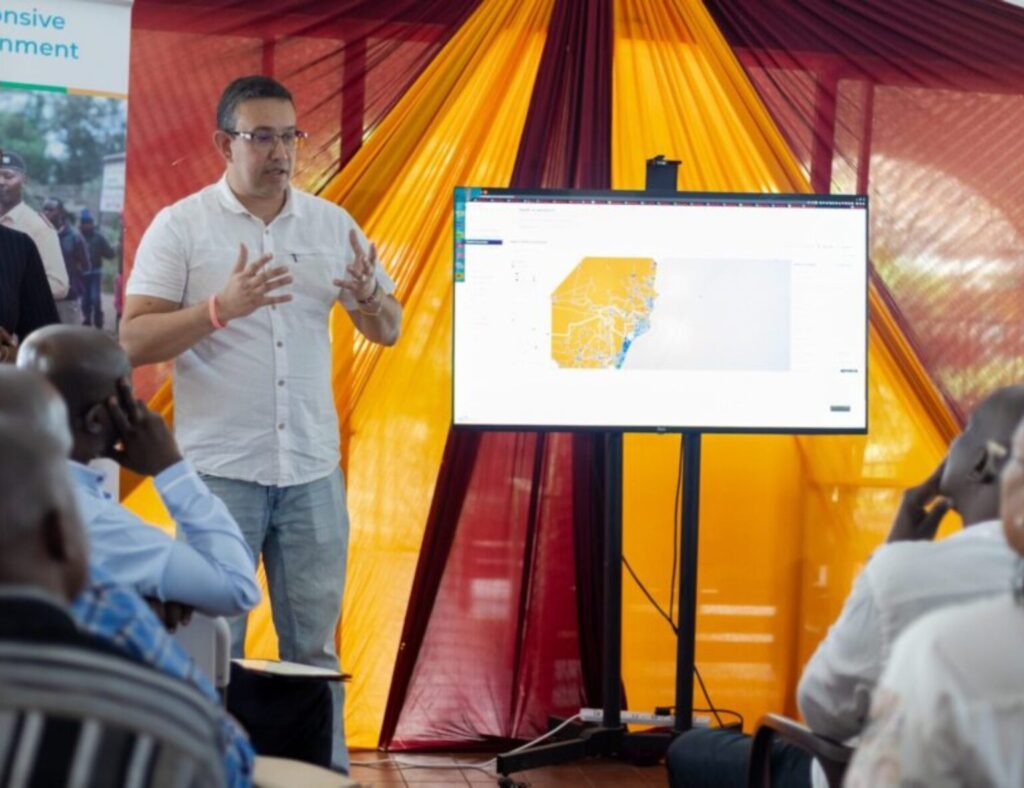
In response, Kilifi County formalised citizen engagement as a core responsibility of ward administrators and launched public open data dashboards, giving both citizens and government access to real-time development information. Beyond these institutional reforms, a growing network of changemakers, supported through Maono Space, has continued to use evidence, collaboration, and civic leadership to drive accountability and community-led development.

📅 Dates: November 25 & 26, 2024
📍 Location: Nairobi, kenya
Unlock the future of data governance with industry leaders, insightful sessions, and networking opportunities!