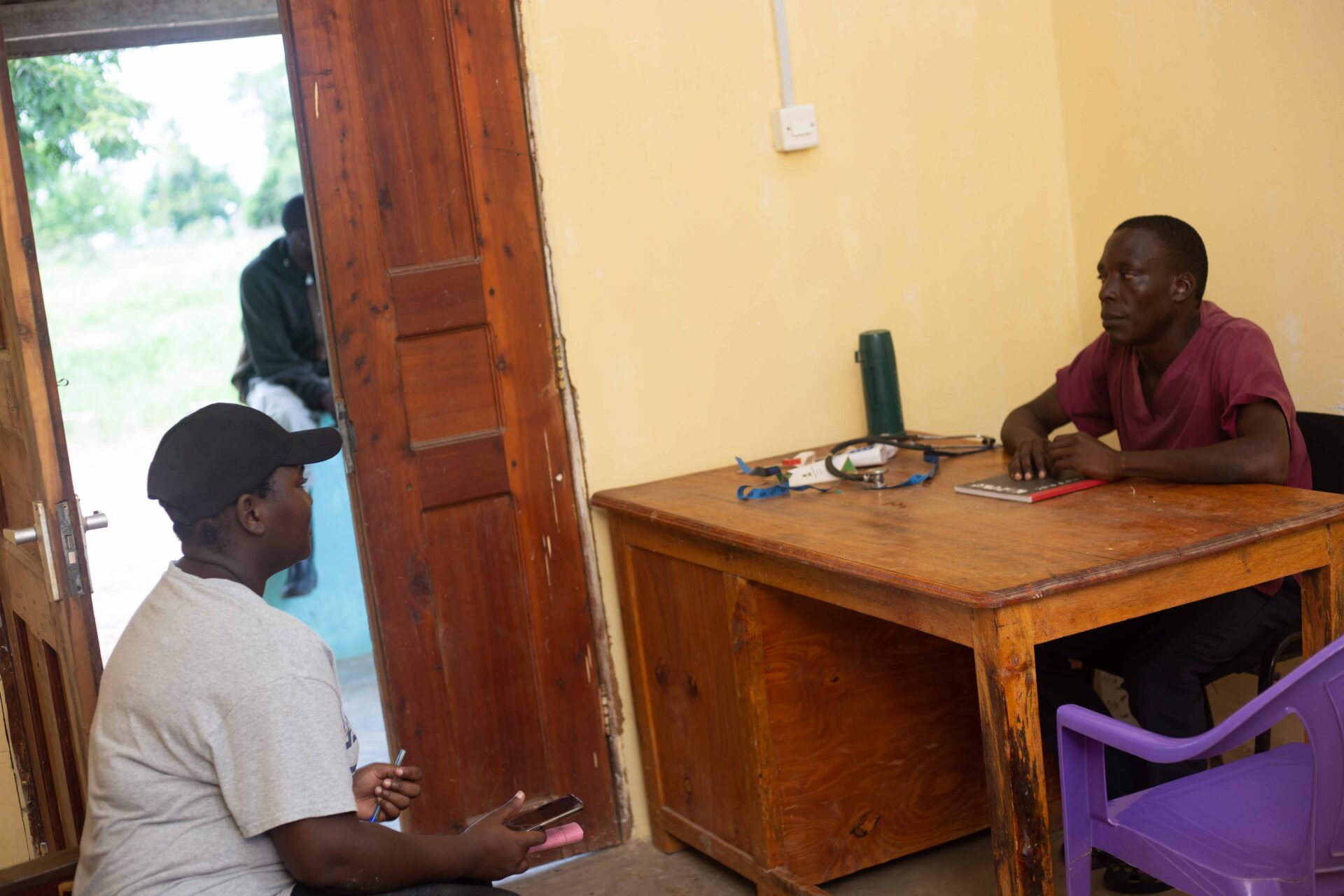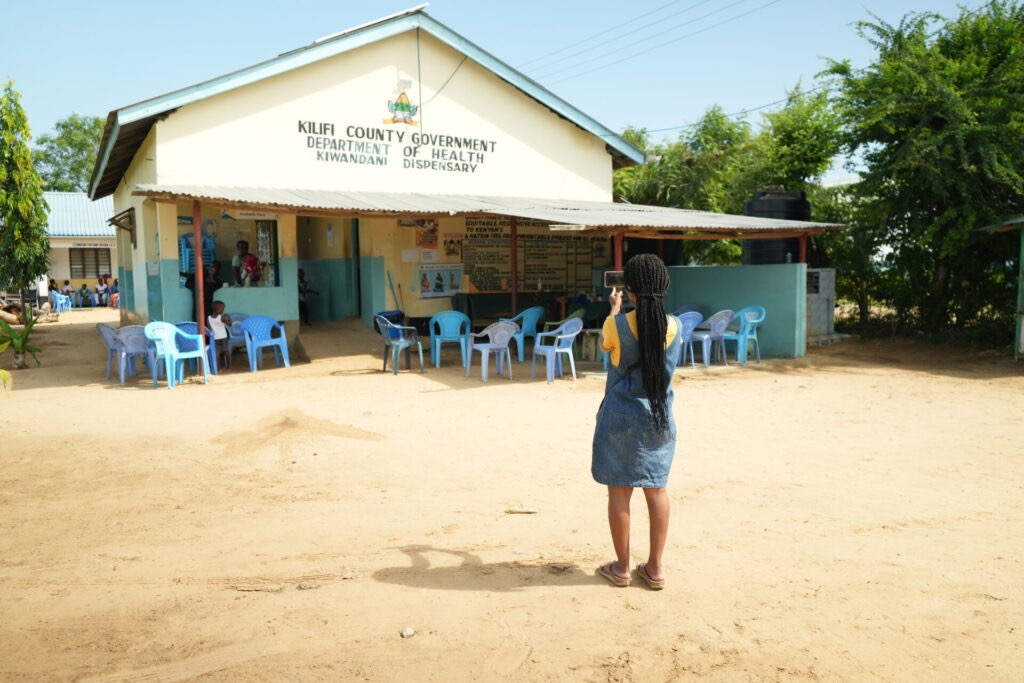
Maternal mortality remains a significant public health concern in Kenya. While progress has been made in maternal and reproductive health, continued maternal deaths point to areas where health system performance, access to care, referrals, responsiveness and the use of evidence can be strengthened.
Understanding when, where and why maternal deaths occur is important for identifying gaps in care and informing action to reduce avoidable loss of life. The World Health Organization (WHO) emphasizes that accurate identification, notification and review of maternal deaths generate information that can support health systems improvements and guide interventions to preventable mortality.
Kenya’s National Guidelines for Maternal and Perinatal Death Surveillance and Response (MPDSR), 2024 provides a framework for identifying maternal and perinatal deaths, examining their causes and contributing factors, and using findings to inform actions aimed at preventing avoidable deaths.
This policy brief examines maternal mortality in Kilifi through an evidence and accountability lens, highlighting key trends, gaps in maternal death surveillance and response, and opportunities to strengthen the use of data for decision making. It calls for stronger implementation of recommended actions, clearer accountability for follow-up, and more systematic use of maternal mortality data to guide decisions and improve the quality, timeliness and responsiveness of care.