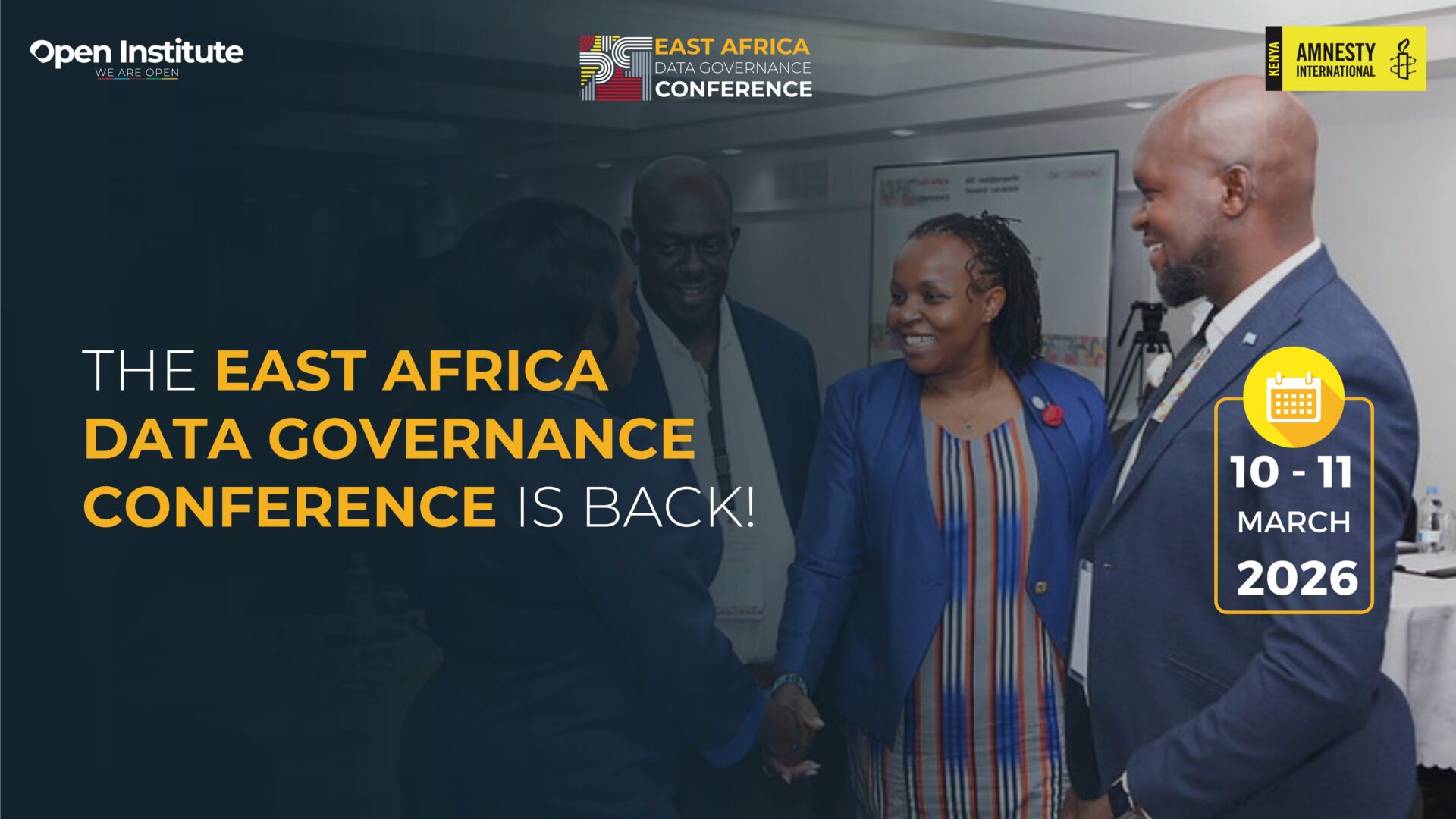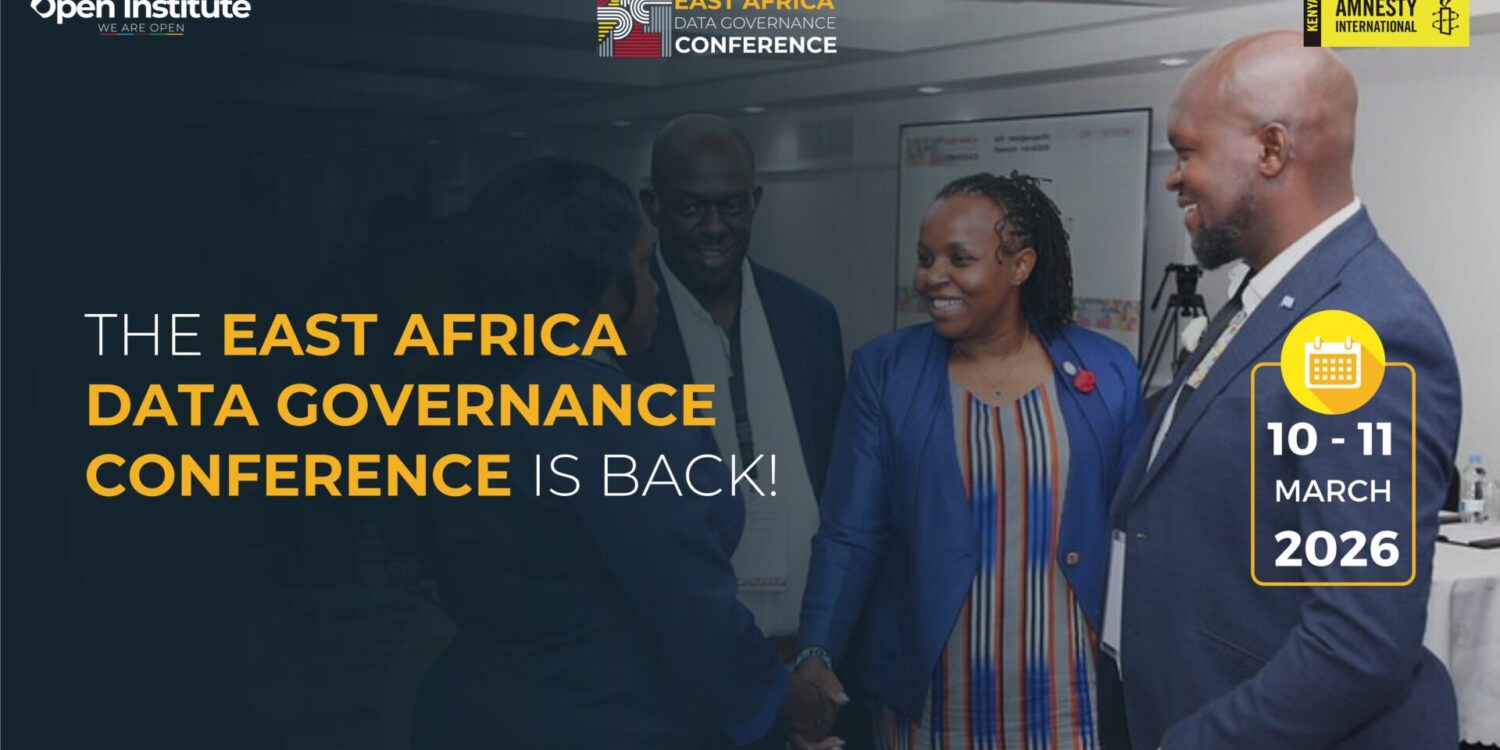
Next week, policymakers, technologists, regulators, journalists, civil society leaders, and innovators will gather in Nairobi for the East Africa Data Governance Conference 2026. Over two days, participants from across the region will engage in one central question: How can East Africa advance innovation and digital transformation while safeguarding rights, trust, and accountability?
This year’s theme, “Navigating Duality in Data Governance: Innovation and Accountability in East Africa,”captures a tension that is increasingly defining the region’s digital future. Across East Africa, governments are digitising public services, launching AI strategies, and building digital public infrastructure at a rapid pace. At the same time, concerns about digital surveillance, shrinking civic space, and the misuse of citizens’ data continue to grow.
The conference, organised by the Open Institute and Amnesty International Kenya, aims to create space for an honest and nuanced conversation about these contradictions—recognising both the opportunities and risks embedded in the region’s digital transformation.
But this conversation did not begin this year.
Looking Back: Lessons from the 2025 Conference
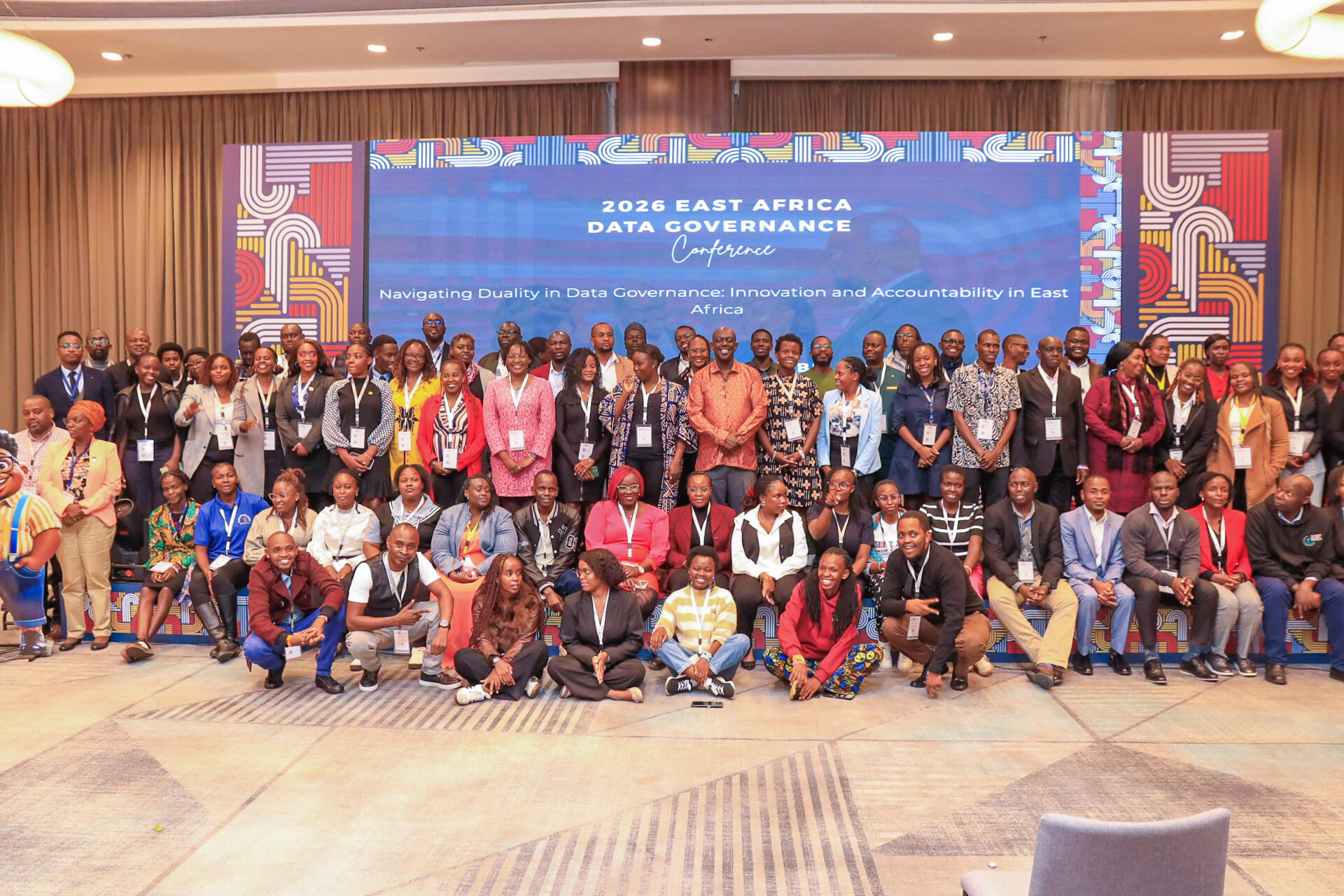
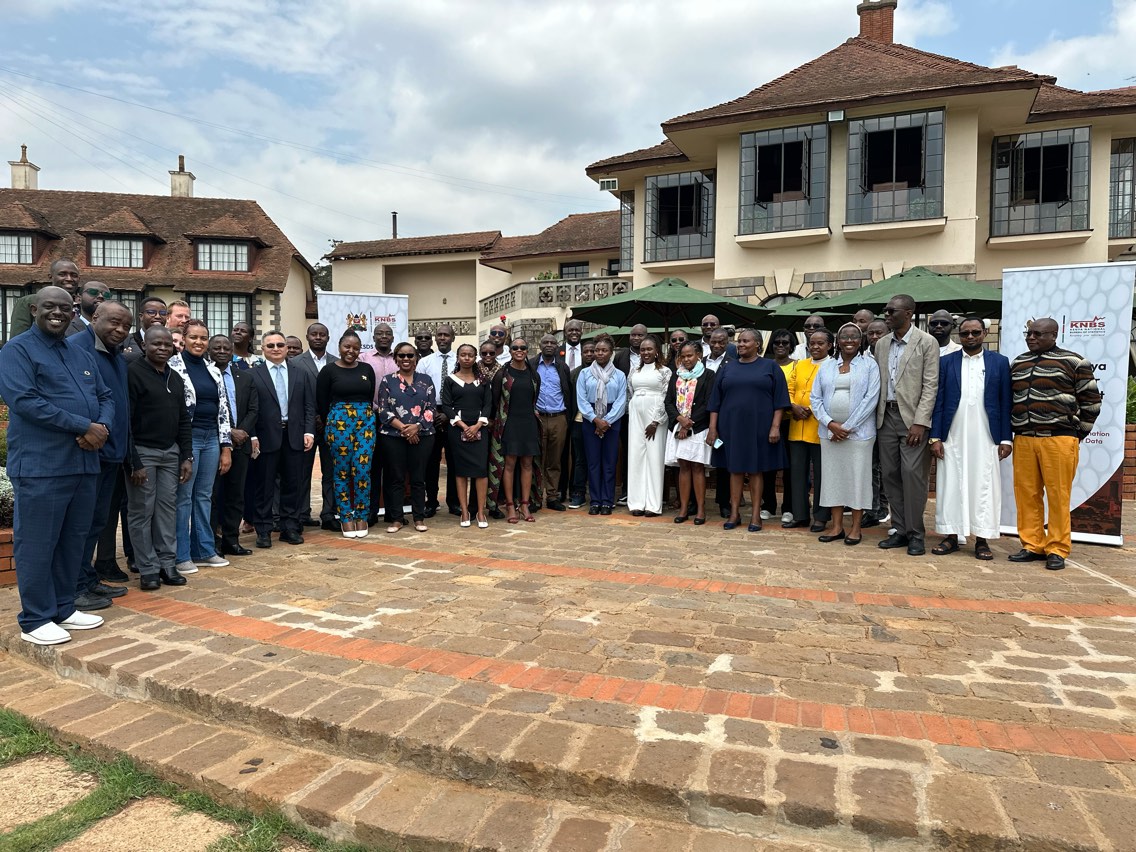
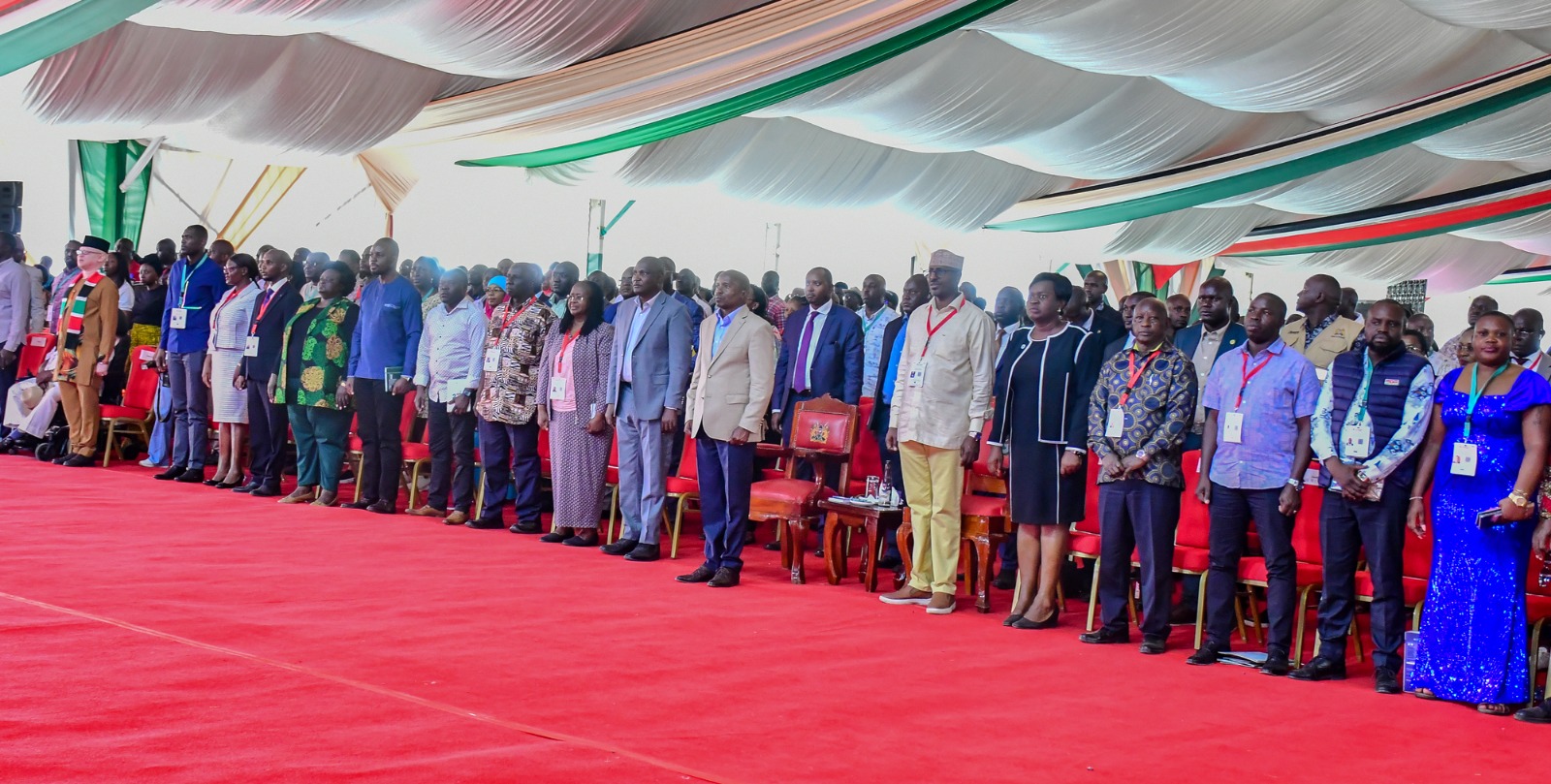
Last year’s East Africa Data Governance Conference brought together over 150 participants from across Africa and beyond, including representatives from Kenya, Uganda, Tanzania, Ethiopia, South Africa, Zimbabwe, and the Netherlands. The gathering highlighted an important truth: data governance is no longer a purely technical issue; it is fundamentally about people, rights, and power.
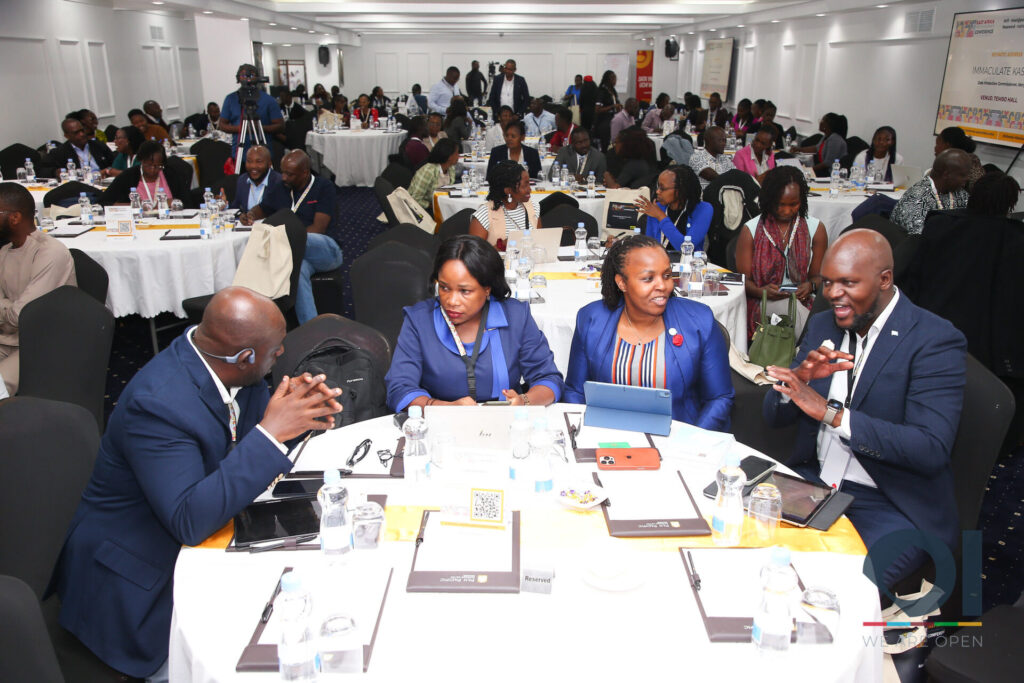
In her keynote address, Kenya’s Data Protection Commissioner Immaculate Kassait emphasised that data governance sits at the centre of the country’s digital transformation agenda. As governments deploy emerging technologies such as artificial intelligence, blockchain, and the Internet of Things, the challenge lies in ensuring that innovation does not outpace accountability.
Another powerful perspective came from Dr Melissa Omino of CIPIT, who reflected on how digital governance intersects with culture, language, and participation. Referencing the Gen Z-led protests against Kenya’s Finance Bill, she pointed to the importance of language accessibility in digital spaces and the severe underrepresentation of African languages in AI datasets. Her message was clear: if Africa’s digital future is to be equitable, it must be grounded in its own communities, languages, and cultural knowledge systems.
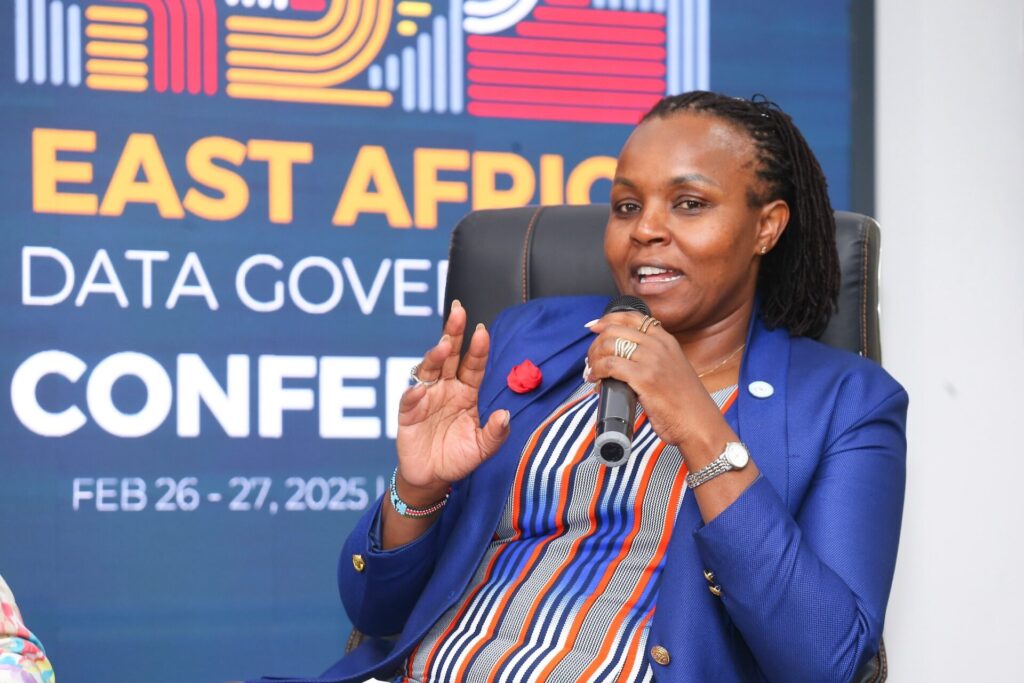
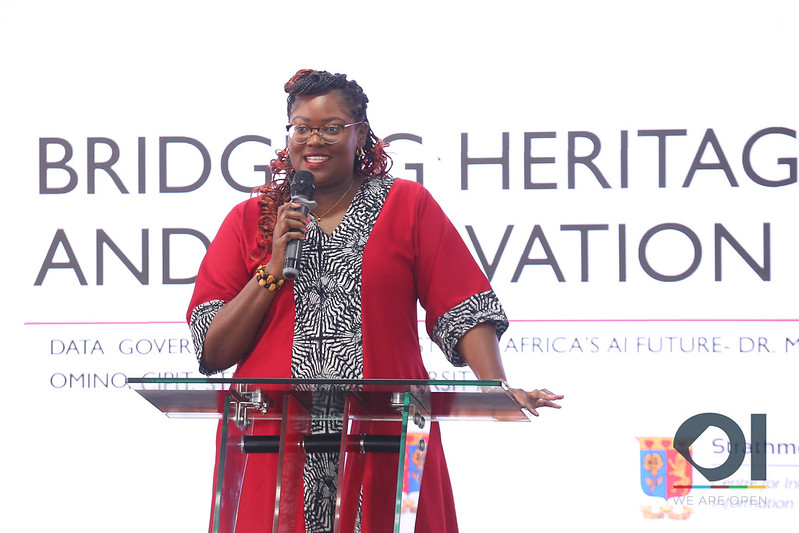
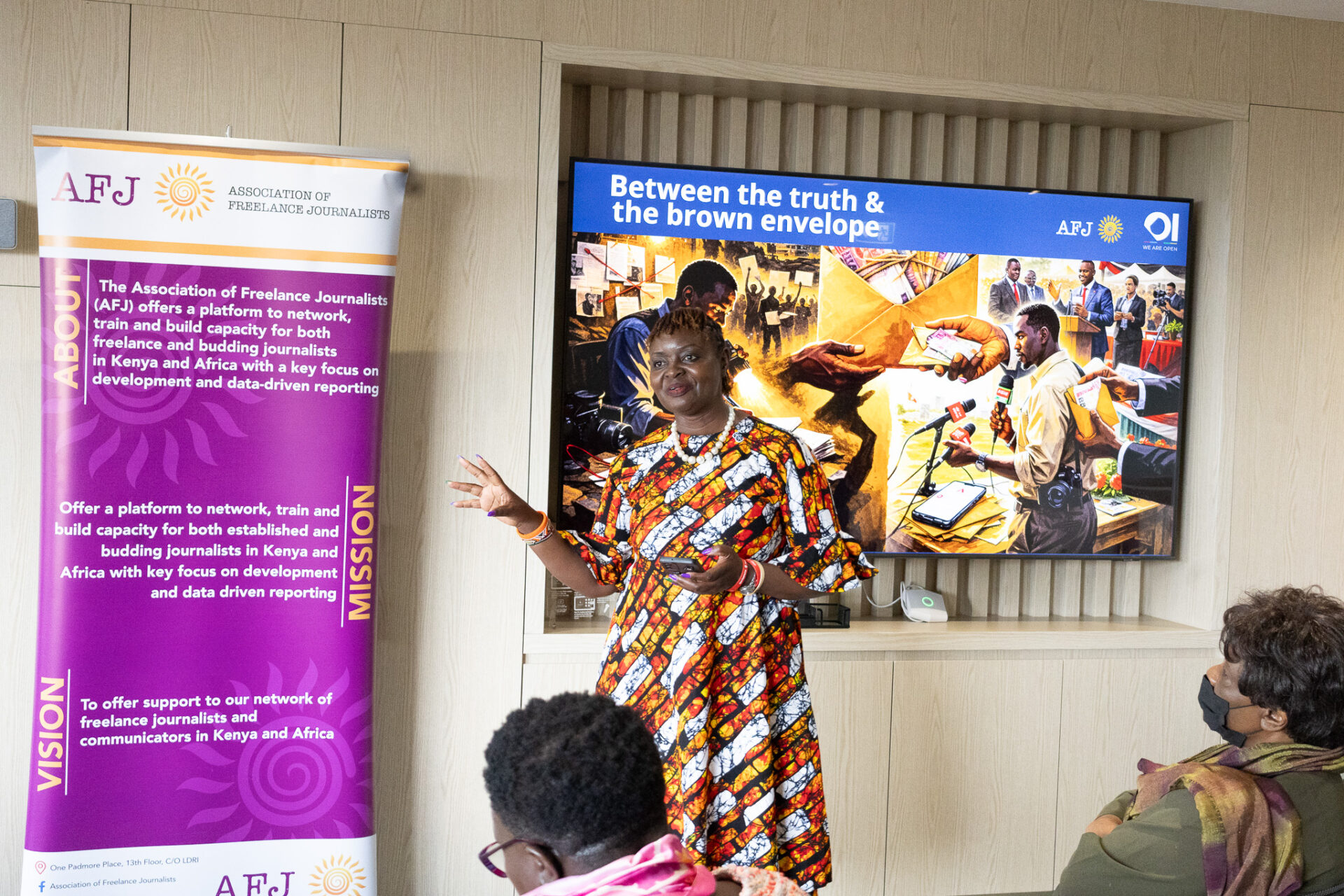
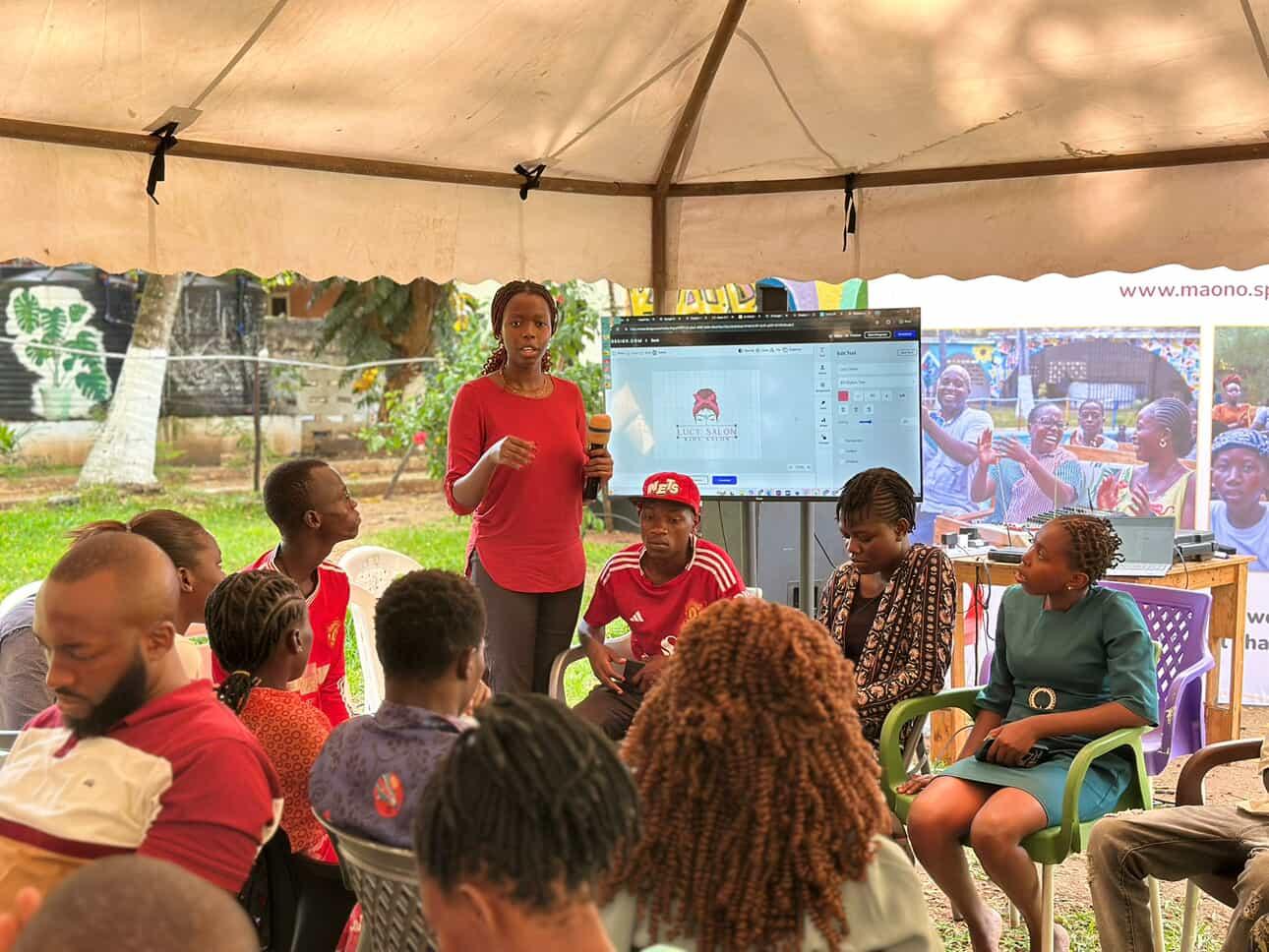
Throughout the conference, participants explored themes ranging from regional data sharing and governance frameworks to ethical AI, digital labour rights, and citizen awareness initiatives such as “Ijue Data Yako.” A recurring message was the need for collaboration across sectors—governments, civil society, and the private sector cannot build trustworthy digital systems in isolation.
The Conversation Evolves
While last year’s discussions focused heavily on people-centred and inclusive governance, the 2026 conference moves the conversation further by confronting the duality at the heart of East Africa’s digital transformation.
The region is simultaneously an incubator of innovation and a site of deep governance challenges. The same systems designed to improve public service delivery, such as national ID systems, financial technologies, health databases, also raise questions about surveillance, control, and data ownership.
This year’s conference will explore these tensions through five key pillars:
- Data Sovereignty: Who truly owns and controls the data generated by citizens?
- Cross-Border Data Governance: How can East Africa enable data flows and innovation while safeguarding national and regional interests?
- Data Infrastructure: What technical systems are needed to support trustworthy governance?
- Ethics, Algorithms, and Accountability: How do we address bias, transparency, and fairness in AI-driven systems?
- The Economics and Value of Data: Who benefits from the data economy, and how can value be shared more equitably?
Across all these discussions runs a common thread: innovation must be matched by accountability.
Why This Moment Matters
East Africa is at a pivotal moment. Countries across the region are developing data protection frameworks, AI strategies, and digital public infrastructure, positioning themselves as leaders in Africa’s digital economy. Yet these developments also raise difficult questions about governance capacity, institutional coordination, and the ethical deployment of emerging technologies.
In many ways, the pace of technological adoption is outstripping the policy frameworks designed to regulate it. The challenge now is to ensure that governance evolves just as quickly.
The East Africa Data Governance Conference is designed to help bridge that gap—bringing together regulators, innovators, researchers, journalists, and civic actors to collectively shape the region’s digital future.
Beyond Conversation
Ultimately, the goal of the conference is not simply dialogue. It aims to produce concrete outcomes, including a regional reflection paper on data governance practices, practical policy recommendations, and a framework for responsible innovation in East Africa.
Just as importantly, the conference seeks to strengthen networks among the diverse actors shaping the region’s digital ecosystem. Data governance requires sustained collaboration across sectors and borders.
If last year’s conference reminded us that data governance is about people, this year’s gathering will ask a deeper question:
Can East Africa build digital systems that are both innovative and accountable?
The answer will shape not just the region’s digital future, but the trust citizens place in the institutions that govern their data.
Join the conversation: Register to attend virtually!