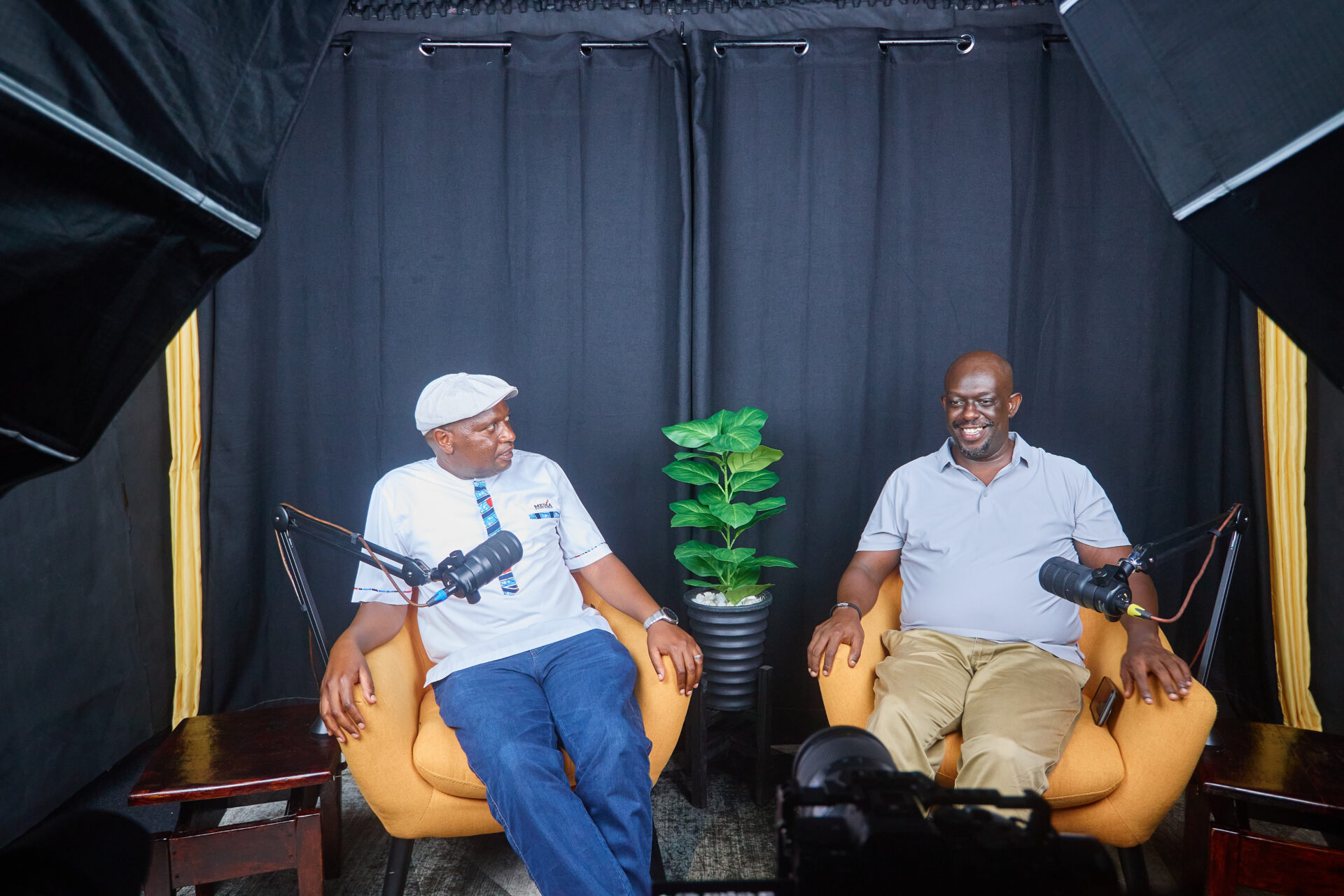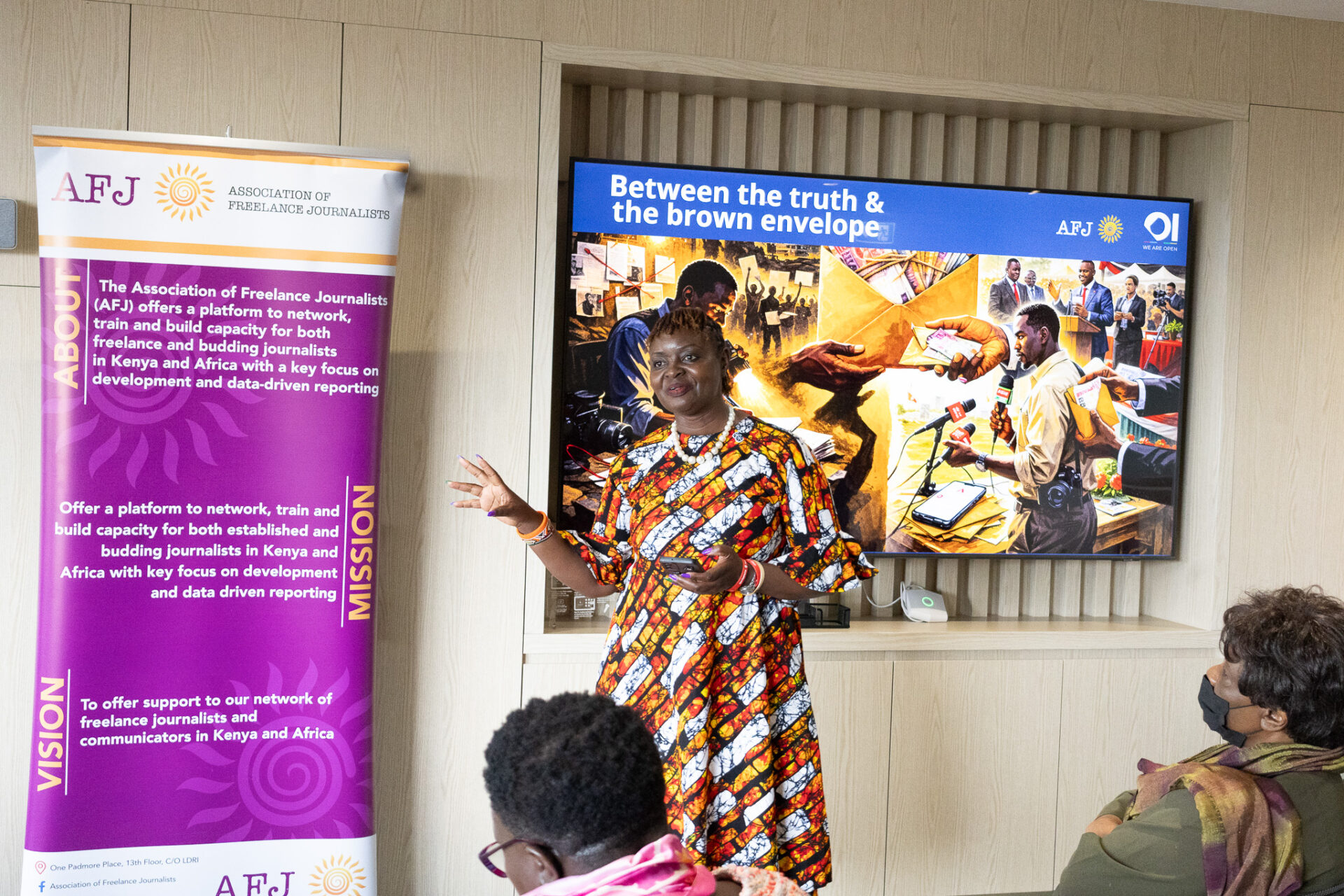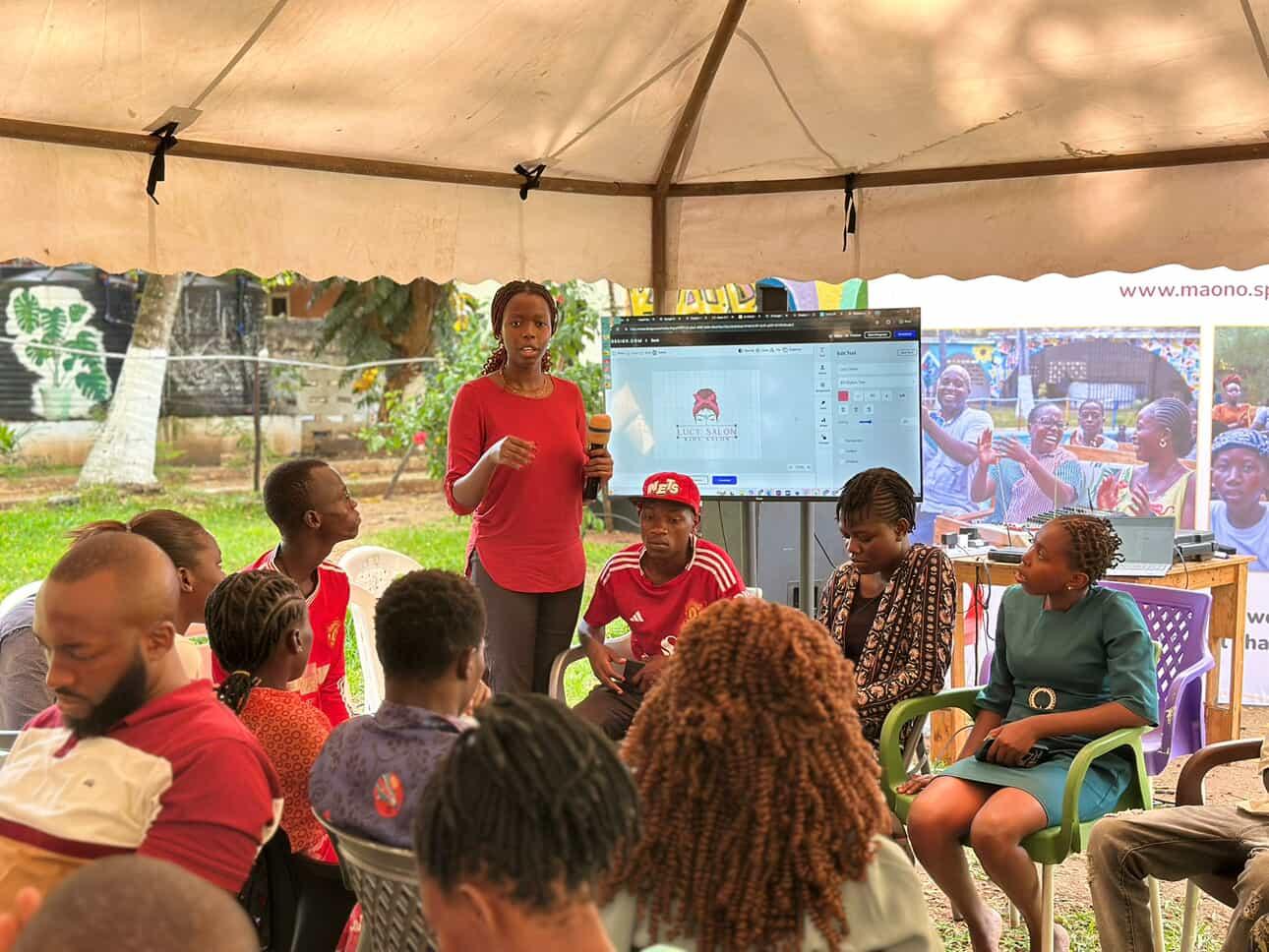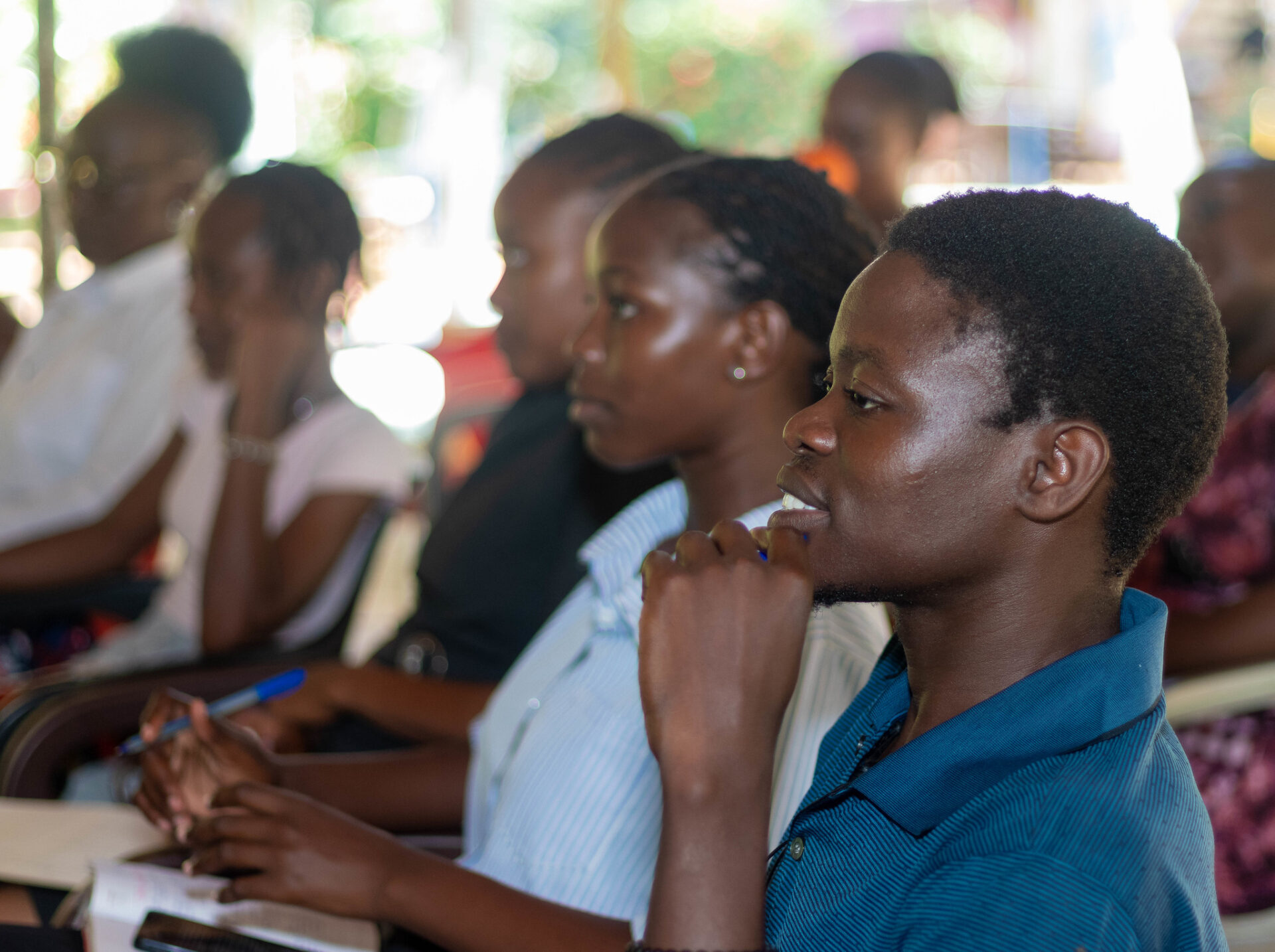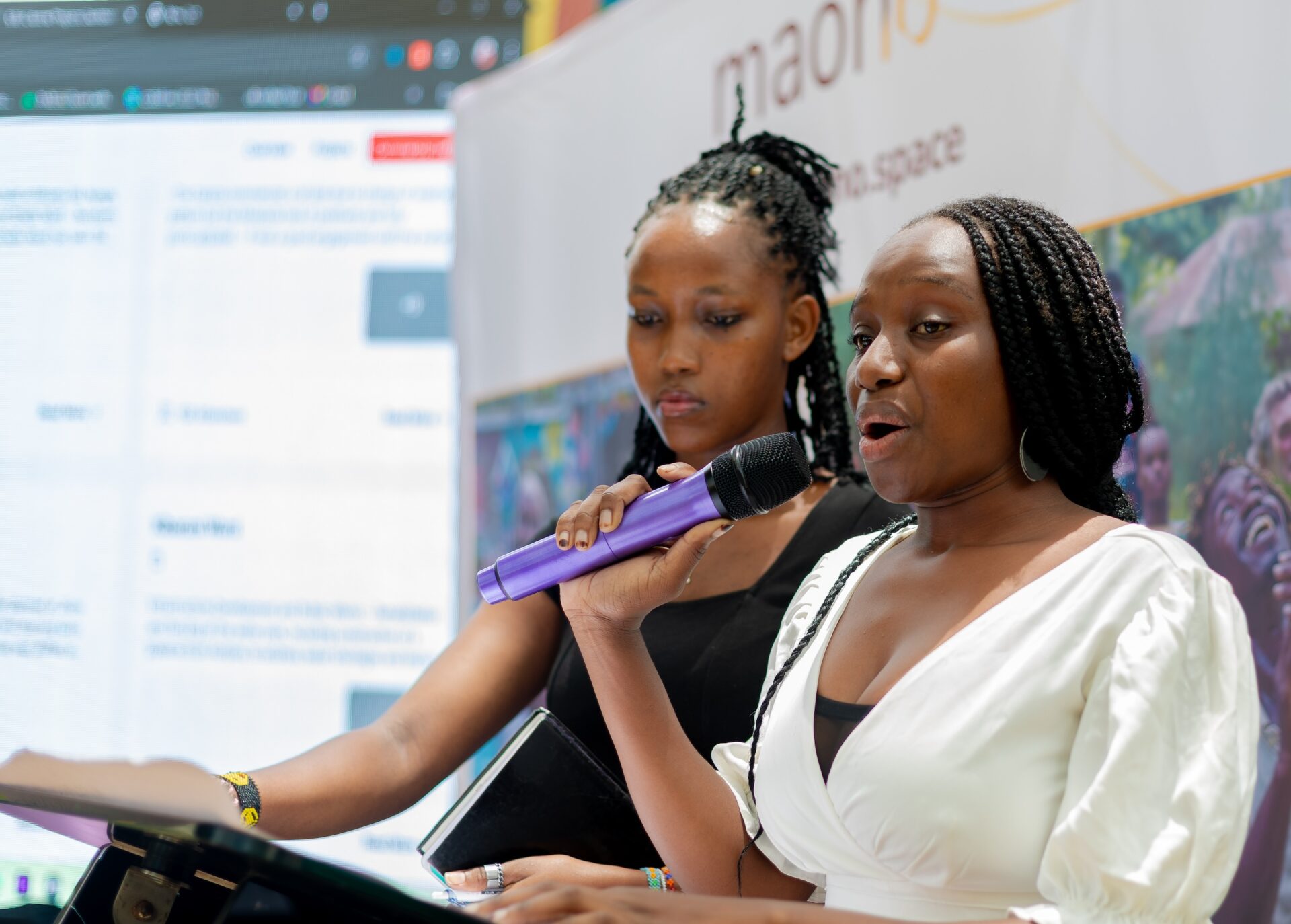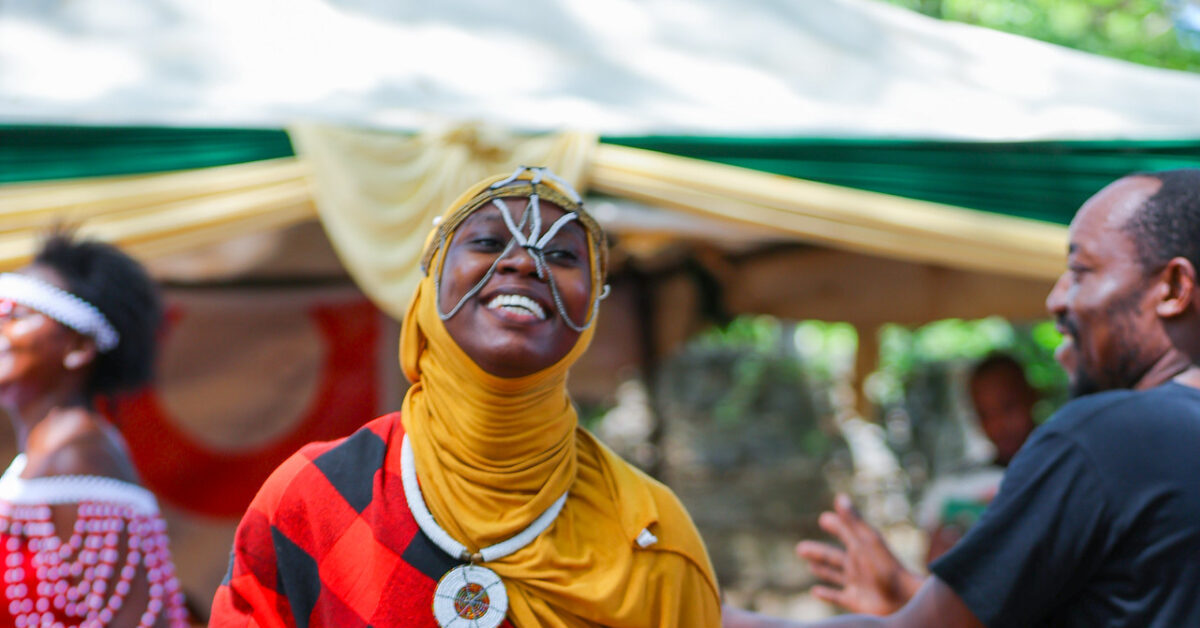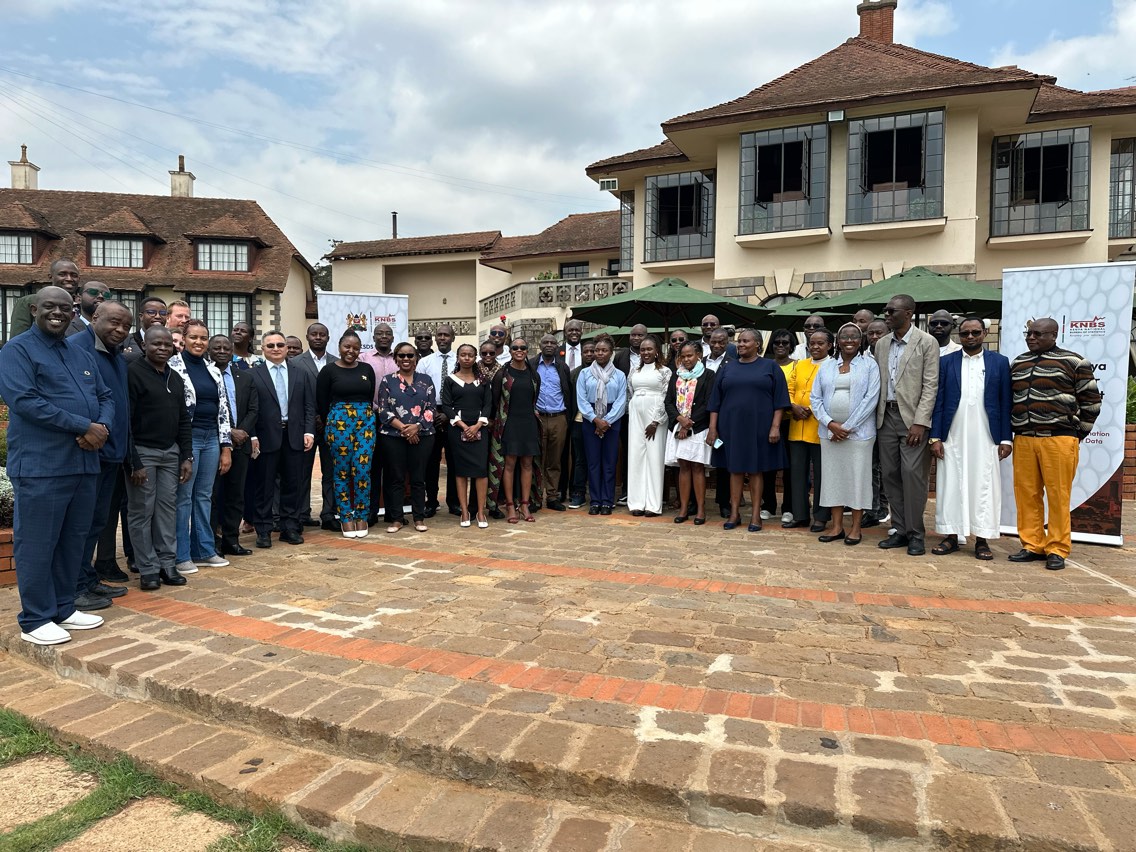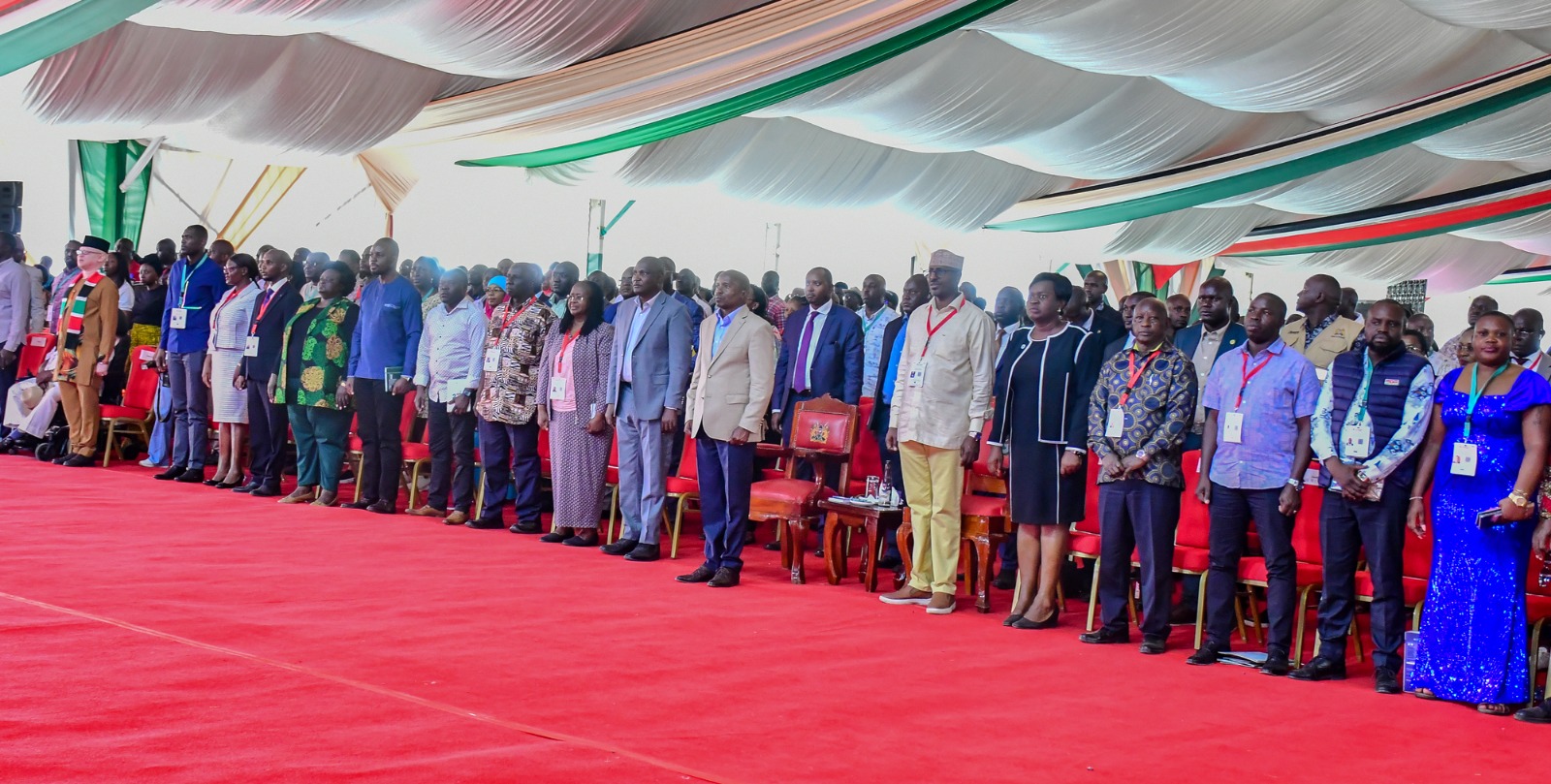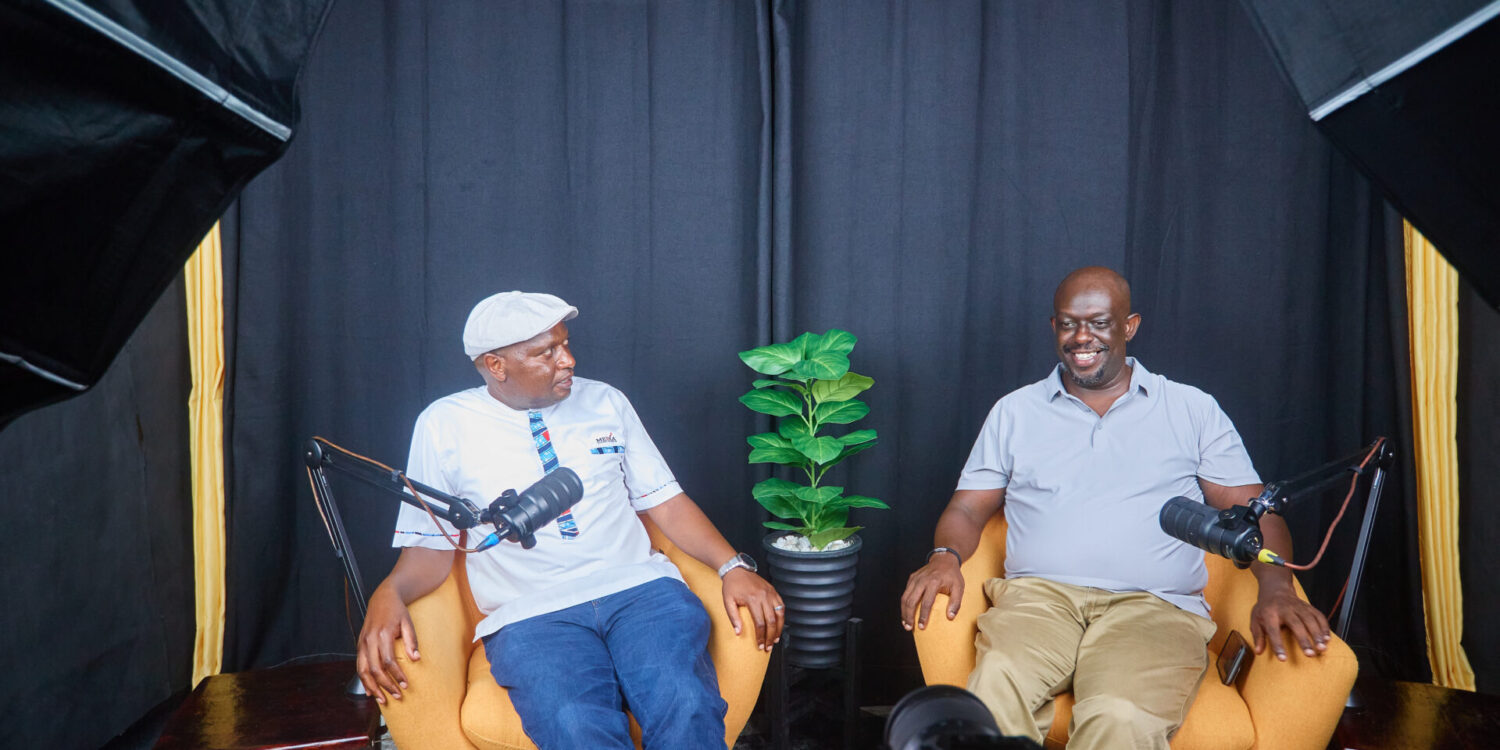
On Wednesday 25th February 2026, we launched a podcast studio at Maono Space in Malindi, and while it is easy to describe it in technical language, microphones calibrated properly, cameras that respect light, acoustic panels that absorb echo, the real story lies in why such a space matters in the current media climate and why it matters particularly for journalists and content creators working outside Nairobi.
The Media Climate We Are Operating In
Kenya’s media ecosystem has been under sustained pressure for years as advertising revenues have shifted, newsrooms have contracted, and the financial vulnerability of media houses has created conditions in which editorial independence is constantly negotiated against survival. At county level, where access to power and access to livelihood often intersect, these pressures are felt even more acutely. Journalists must navigate political proximity, commercial expectation and community relationships all at once, and the cumulative effect is an environment in which depth is expensive and distortion can become normalised.
Independent content creators experience a parallel constraint. Many have built loyal audiences and developed sharp analysis, yet their production capacity often depends on improvised settings or sponsor-driven arrangements that subtly influence tone and topic selection. When infrastructure is fragile, editorial courage carries a higher personal and professional cost. When production quality is compromised, important conversations struggle to travel beyond immediate circles.
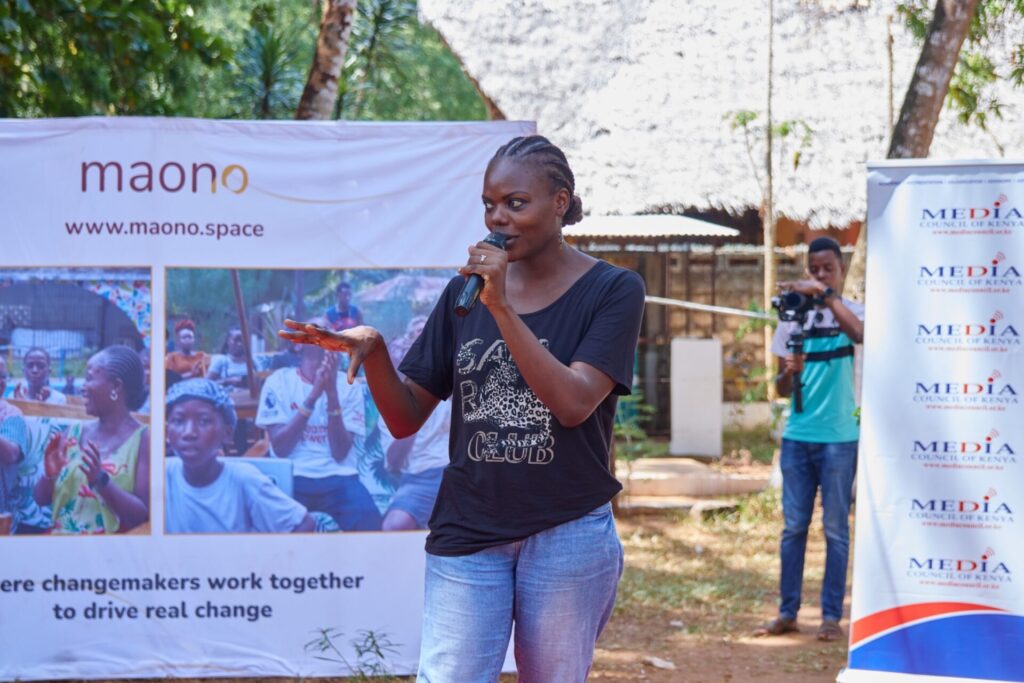
“The Maono Podcast Studio gave me the opportunity I have been waiting for. With all the resources I needed in one place, I was finally able to start the podcast I’d been dreaming about for so long.” – Joy Ambela – Content Creator
A Structural Response
The Maono Podcast Studio exists as a structural response to this reality.
For three years, Maono has focused on building citizen infrastructure in Kilifi by providing co-working space, shared services, collaborative learning and catalytic support to grassroots organisers. We have seen how physical infrastructure shapes seriousness; when people work in environments that signal respect for their craft, the quality of their output changes. Extending that logic to narrative production was a natural step. If we believe that accountability depends on informed public dialogue, then we must invest in the means through which that dialogue is produced and distributed.
A professionally equipped studio at county level shifts incentives in subtle but meaningful ways. It allows journalists to host extended, issue-based conversations on land governance, youth employment, climate adaptation or county budgets without compressing complexity into hurried formats. It gives content creators the technical quality required to compete for attention on equal footing with national platforms. It provides a neutral, dignified space where conversations can unfold without the implicit expectations that sometimes accompany politically affiliated venues or commercially sponsored settings.
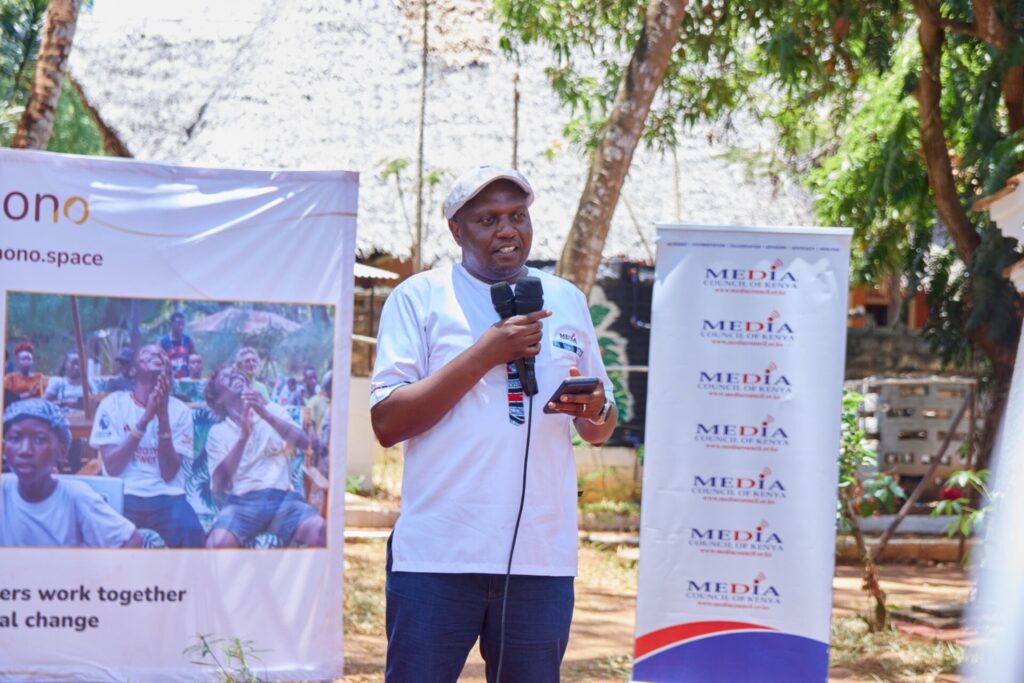
“Spaces like the Maono Podcast Studio create income opportunities for young people while strengthening accountability and freedom of expression.” – Mr. David Omwoyo, CEO – Media Council of Kenya.
Infrastructure and Incentives
Infrastructure rarely announces its power loudly; it alters behaviour gradually. When a journalist knows that there is a reliable space available without hidden conditions, the choice to pursue depth becomes more feasible. When creators can record serious civic dialogue with clarity and professionalism, audiences respond with greater trust. When conversations are archived consistently, public memory strengthens and leaders understand that their words can be revisited in context rather than extracted in fragments.
We were deliberate about launching the studio in the presence of David Omwoyo, CEO of the Media Council of Kenya; Sheila Masinde, Executive Director of Transparency International Kenya; and Chief Winnie Luwali, Chief Officer for ICT, E-Government, Innovation and Library Services in Kilifi County, because narrative integrity is inseparable from governance. The way stories are framed influences how citizens interpret policy, how budgets are scrutinised, and how trust in public institutions evolves. Supporting infrastructure for truthful storytelling is therefore not a cultural add-on; it is part of strengthening democratic practice at county level.
A Different Set of Possibilities
This studio is designed for journalists who want to pursue investigative threads beyond the press release, for creators who are prepared to explore uncomfortable questions with nuance, and for community leaders who understand that clarity requires time. It is infrastructure for truth in the most practical sense: a room that signals that serious conversation belongs in Kilifi and that professional standards are not the preserve of the capital.
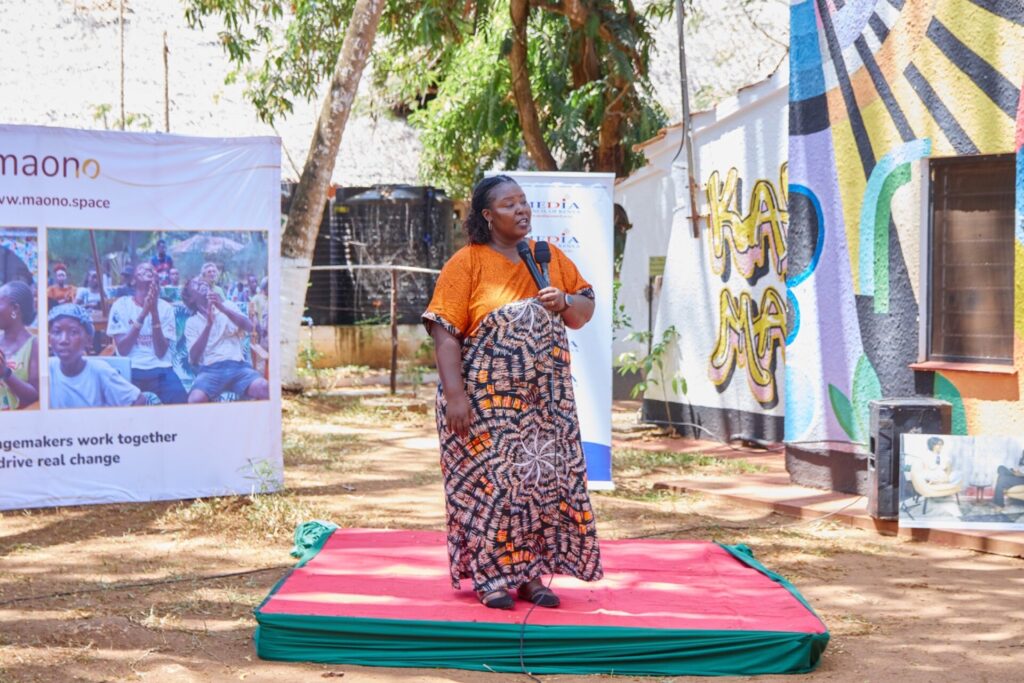
“I urge you to use this podcast to speak boldly about governance and accountability. As young people, you should be at the forefront of demanding integrity and change. I’m looking forward to seeing how the media landscape will grow through the podcast, fostering freedom of expression and public participation.” – Sheila Masinde, Executive Director, Transparency International Kenya
The long-term value will not be measured in launch photographs or social media impressions but in the quality and consistency of the conversations that emerge from this space. Over time, repeated use will build an archive of local thought, analysis and accountability that future debates can draw upon. In that accumulation lies the quiet strengthening of media culture, one in which independence is supported by structure and narratives are shaped by those who live their consequences.
A studio alone does not resolve the political economy of media, yet it anchors a different set of possibilities. By investing in narrative infrastructure at the county level, we are reinforcing the conditions under which journalists and creators can pursue truth with greater resilience and professionalism, and in doing so we are strengthening the civic fabric that depends on their work.